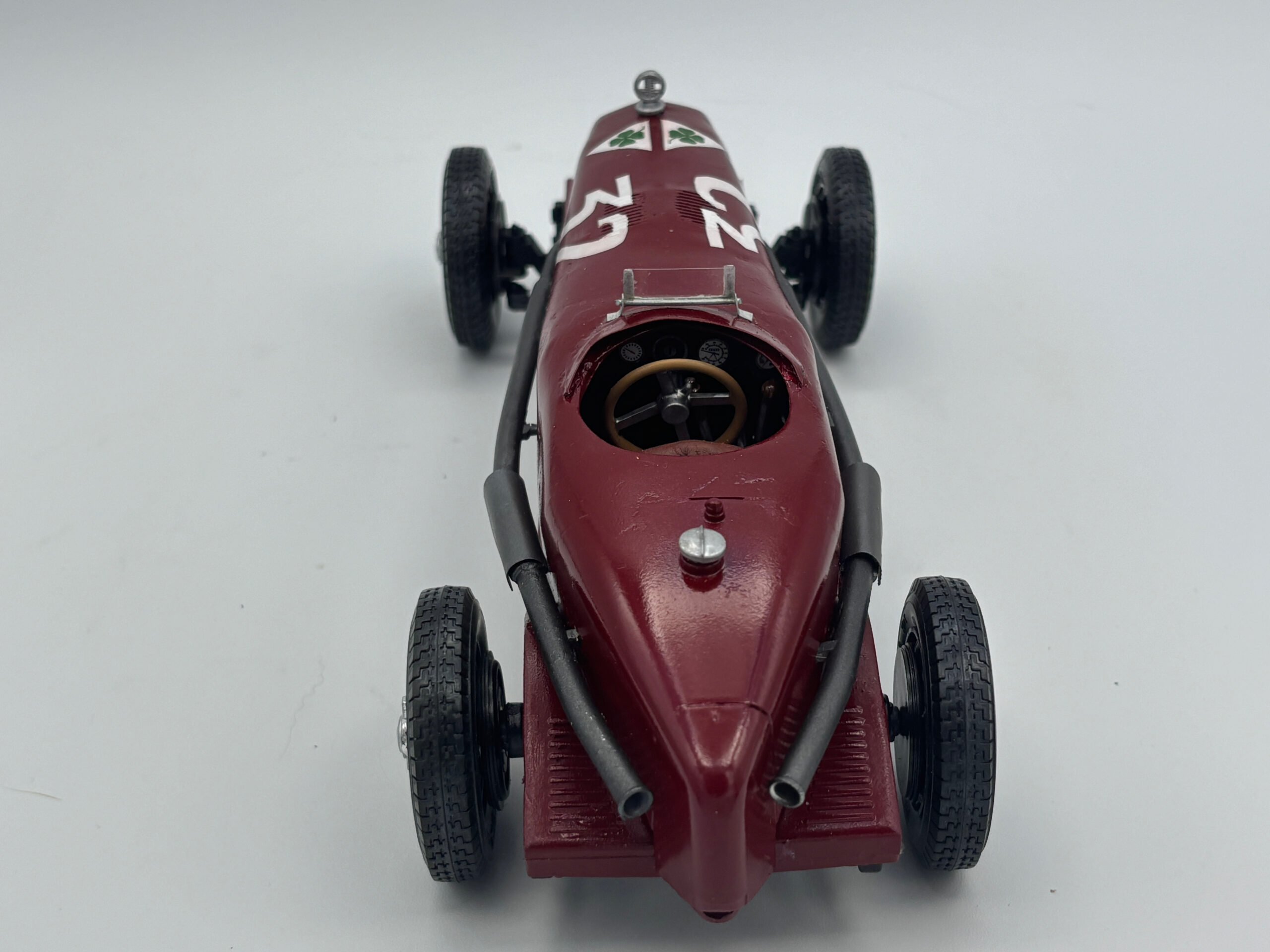
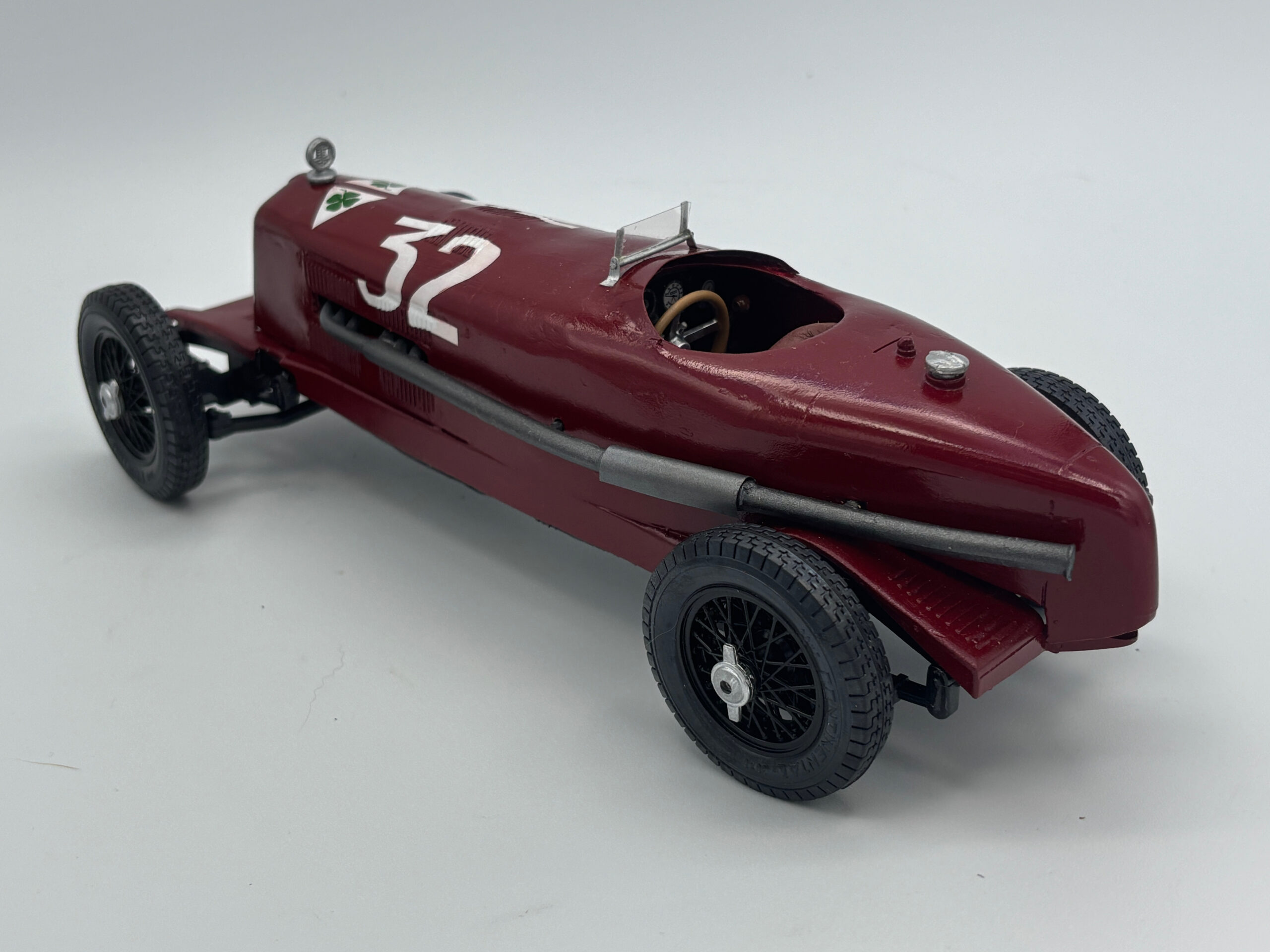
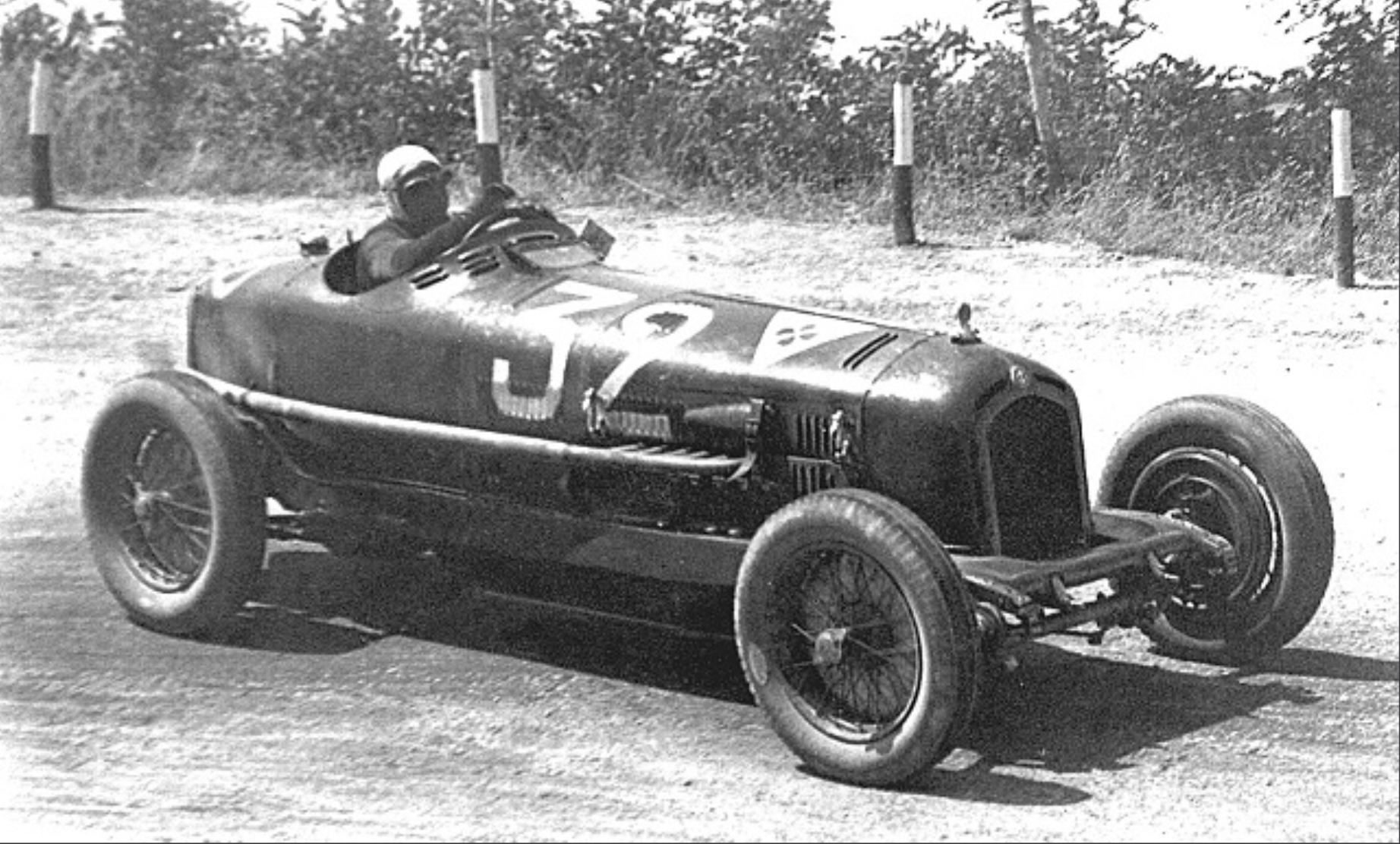
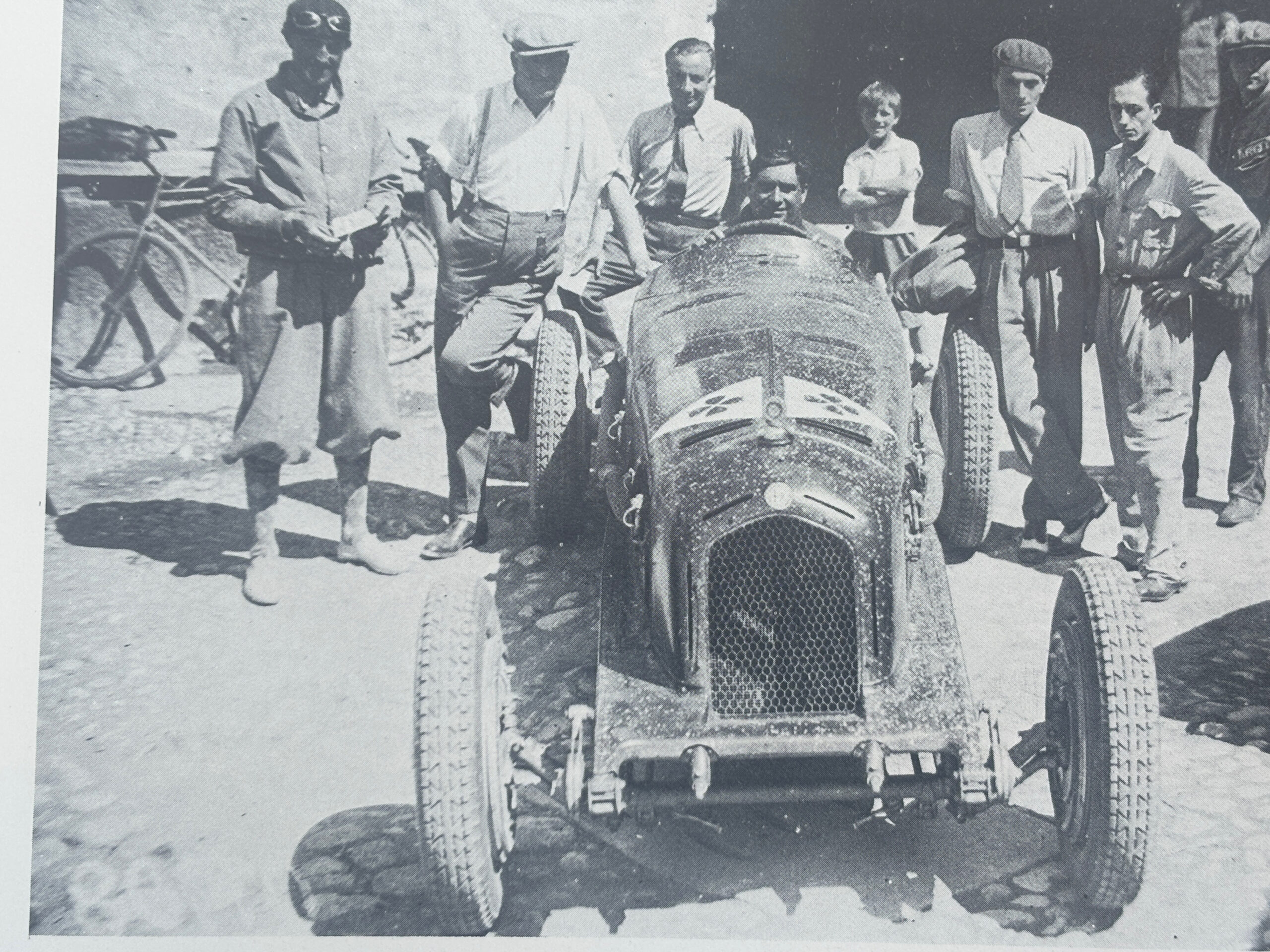
STORY OF THE DAY: Campari Masters Alfa’s Twin-Engine Experiment
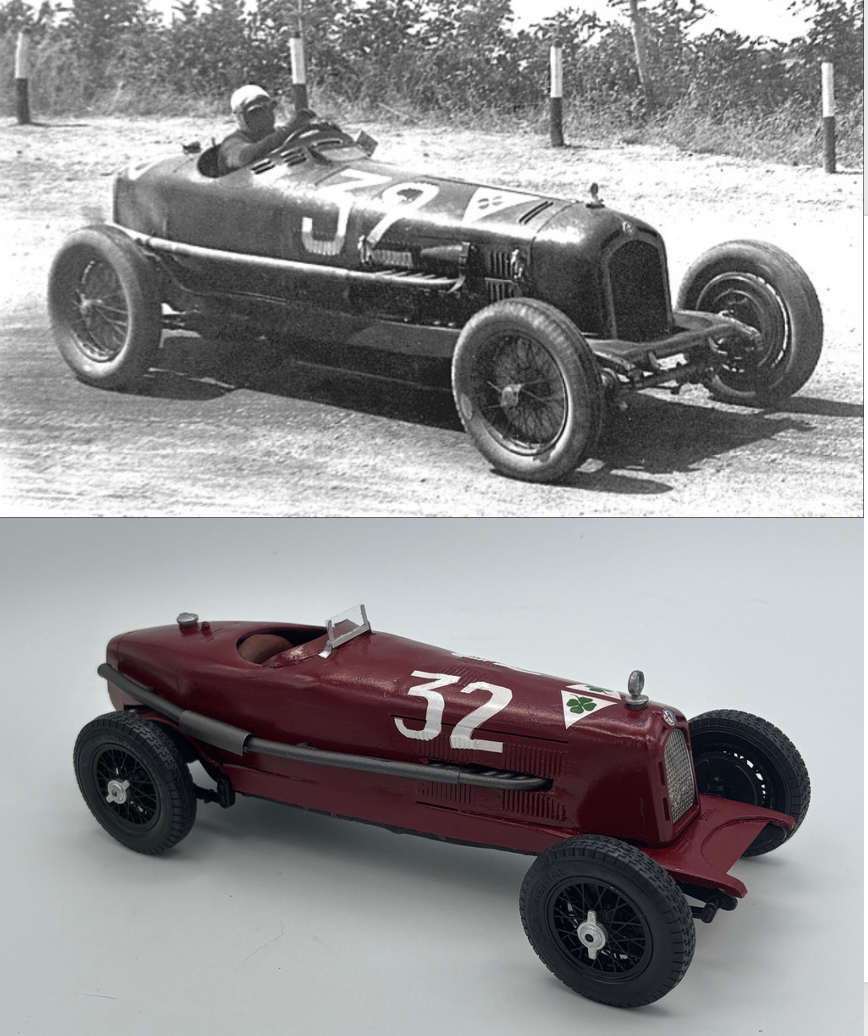
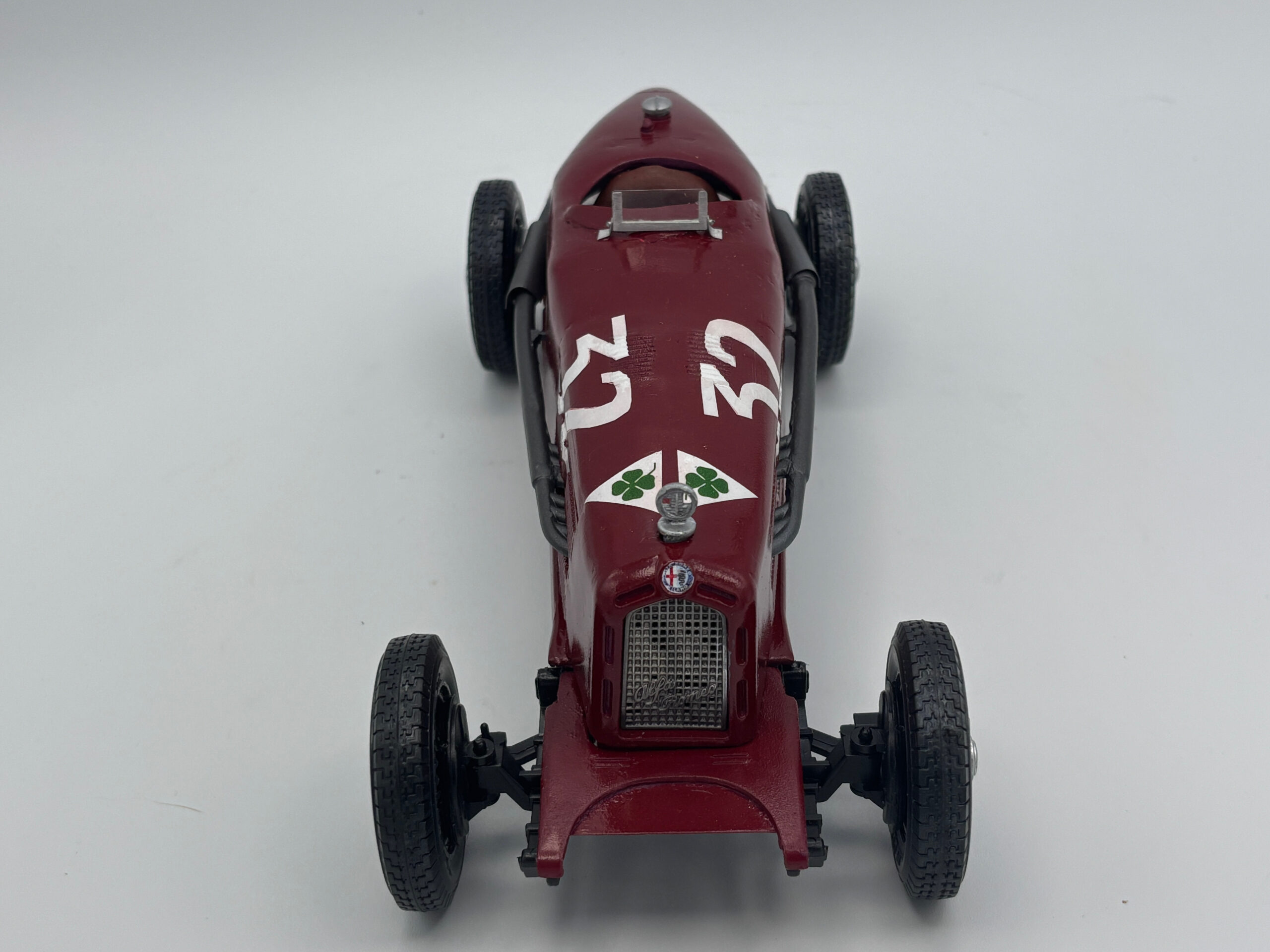
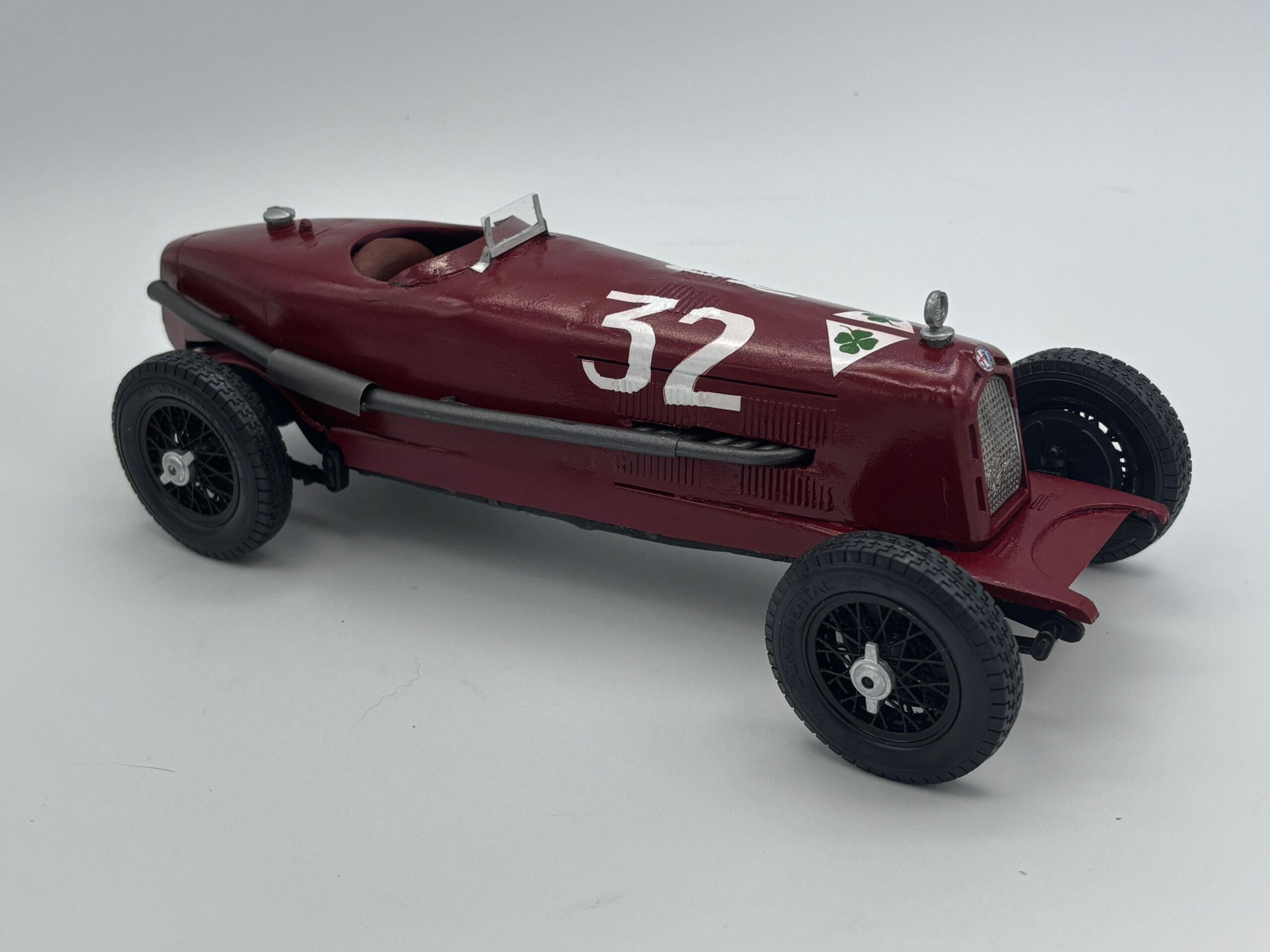
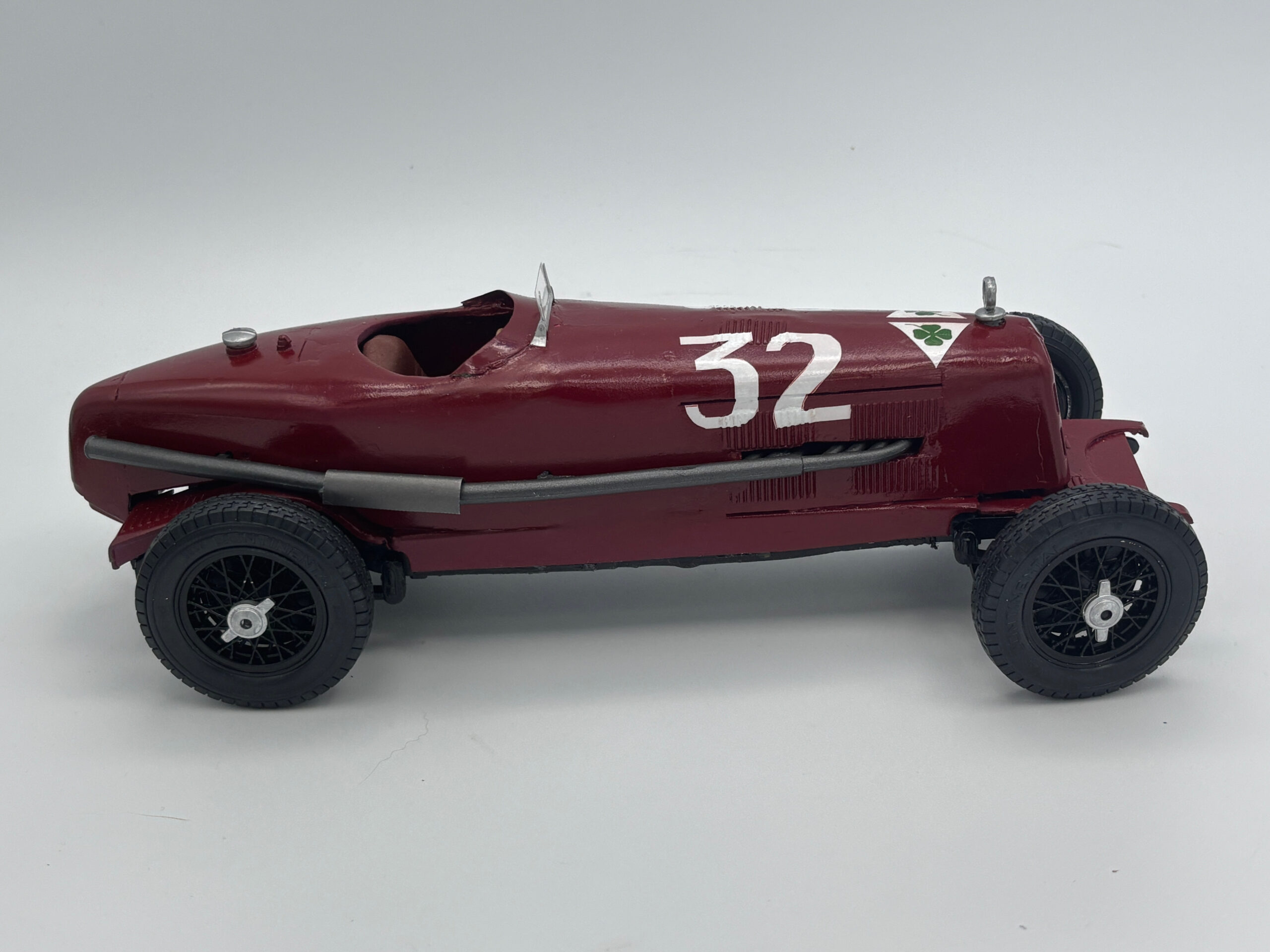
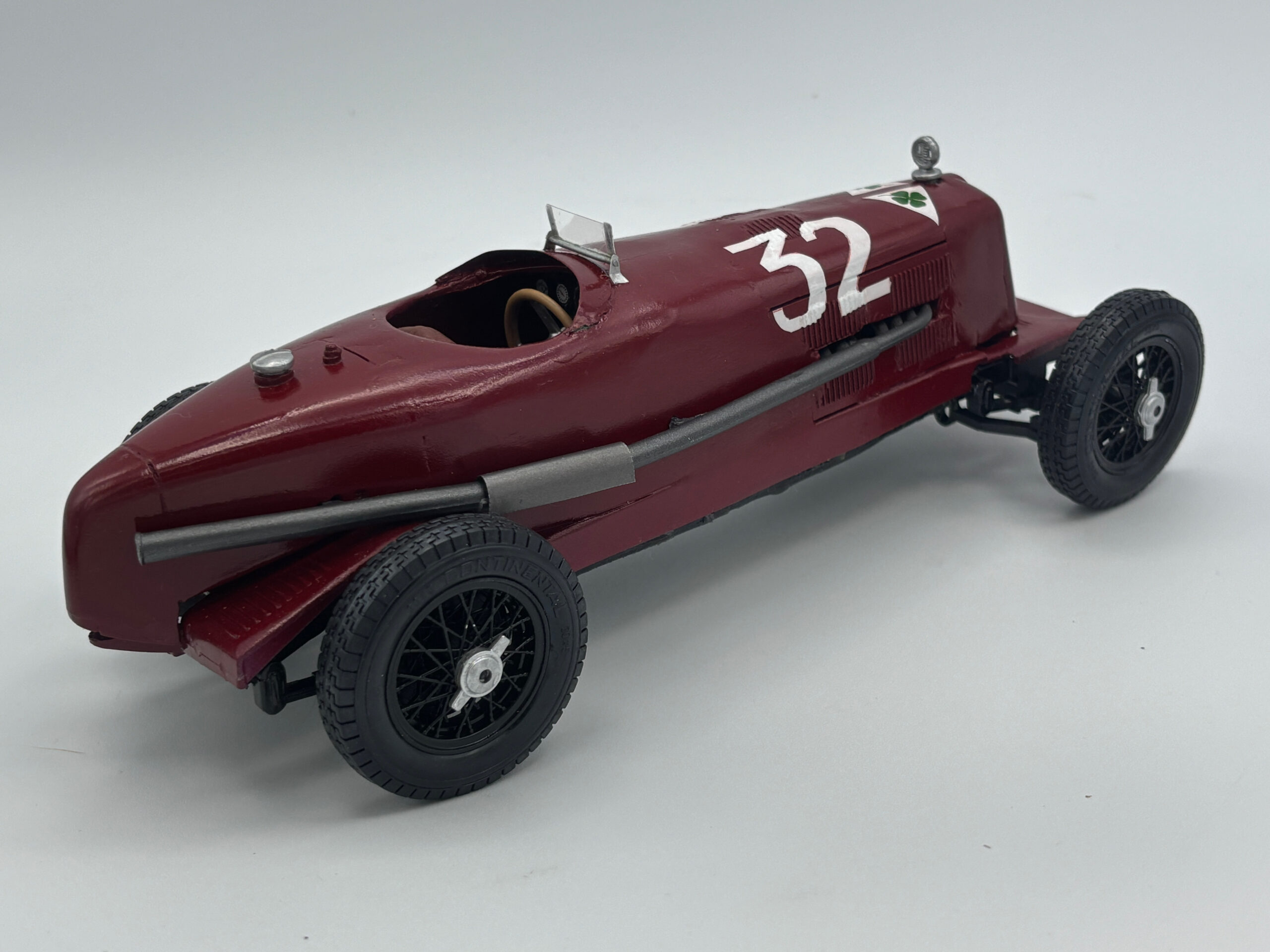
Giuseppe Campari won the 1931 Coppa Acerbo at Pescara in Scuderia Ferrari’s number 32 Alfa Romeo Tipo A. Starting from the front of the field, he completed the 12 laps in 2 hours 19 minutes 42.4 seconds. Louis Chiron finished just over two minutes behind in a Bugatti Type 51, while Tazio Nuvolari brought another Tipo A home third, giving Alfa Romeo two places on the podium in this important non-championship Grand Prix.
The victory was a rare success for one of Alfa Romeo’s most audacious designs. Pescara’s long straights rewarded the Tipo A’s considerable power, while its demanding mixture of fast public roads and difficult corners required Campari to manage a heavy and mechanically complex machine. He converted pole position into a controlled victory against Bugatti and Maserati opposition, producing the clearest competitive achievement of the Tipo A’s short career.
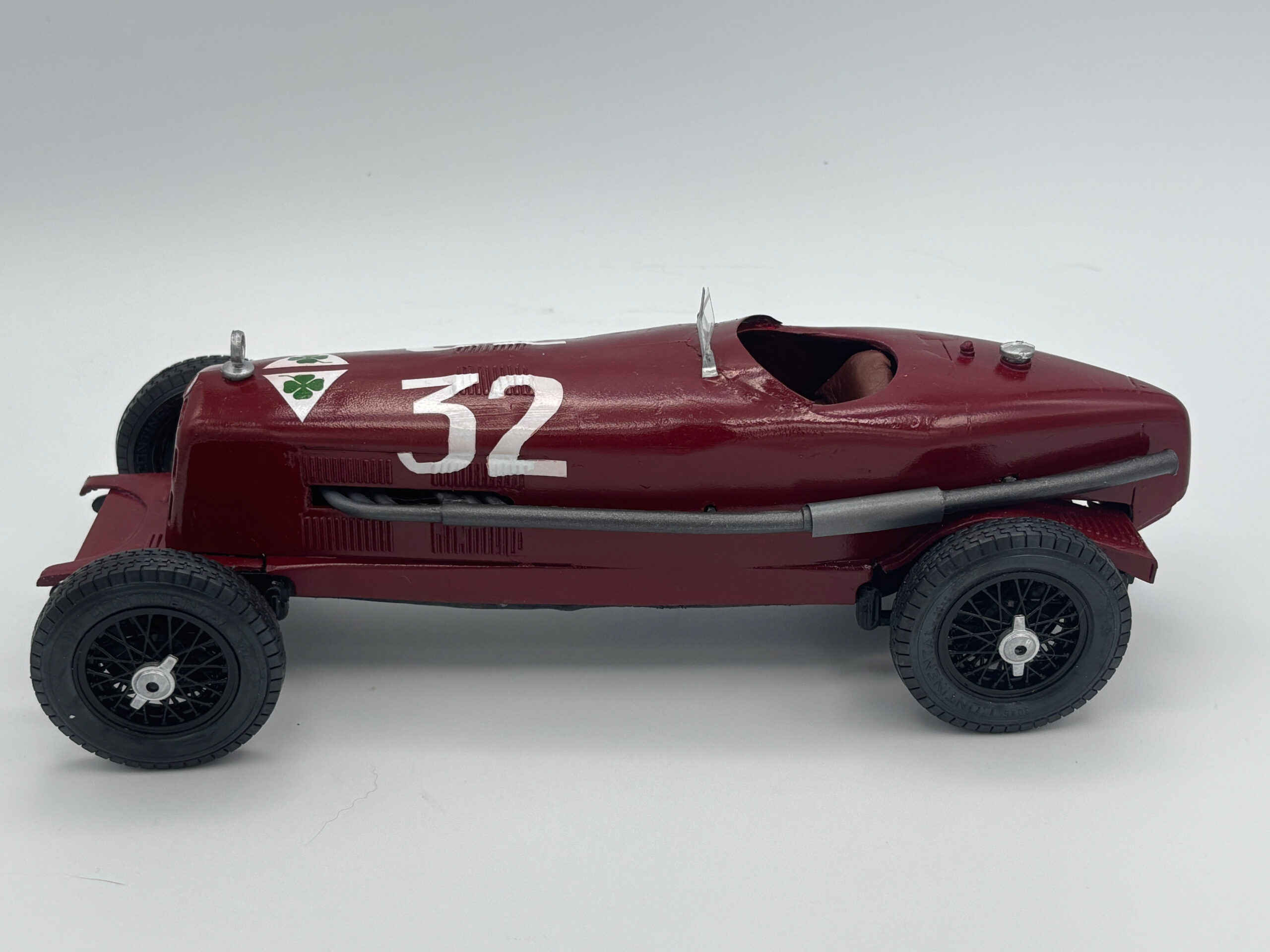
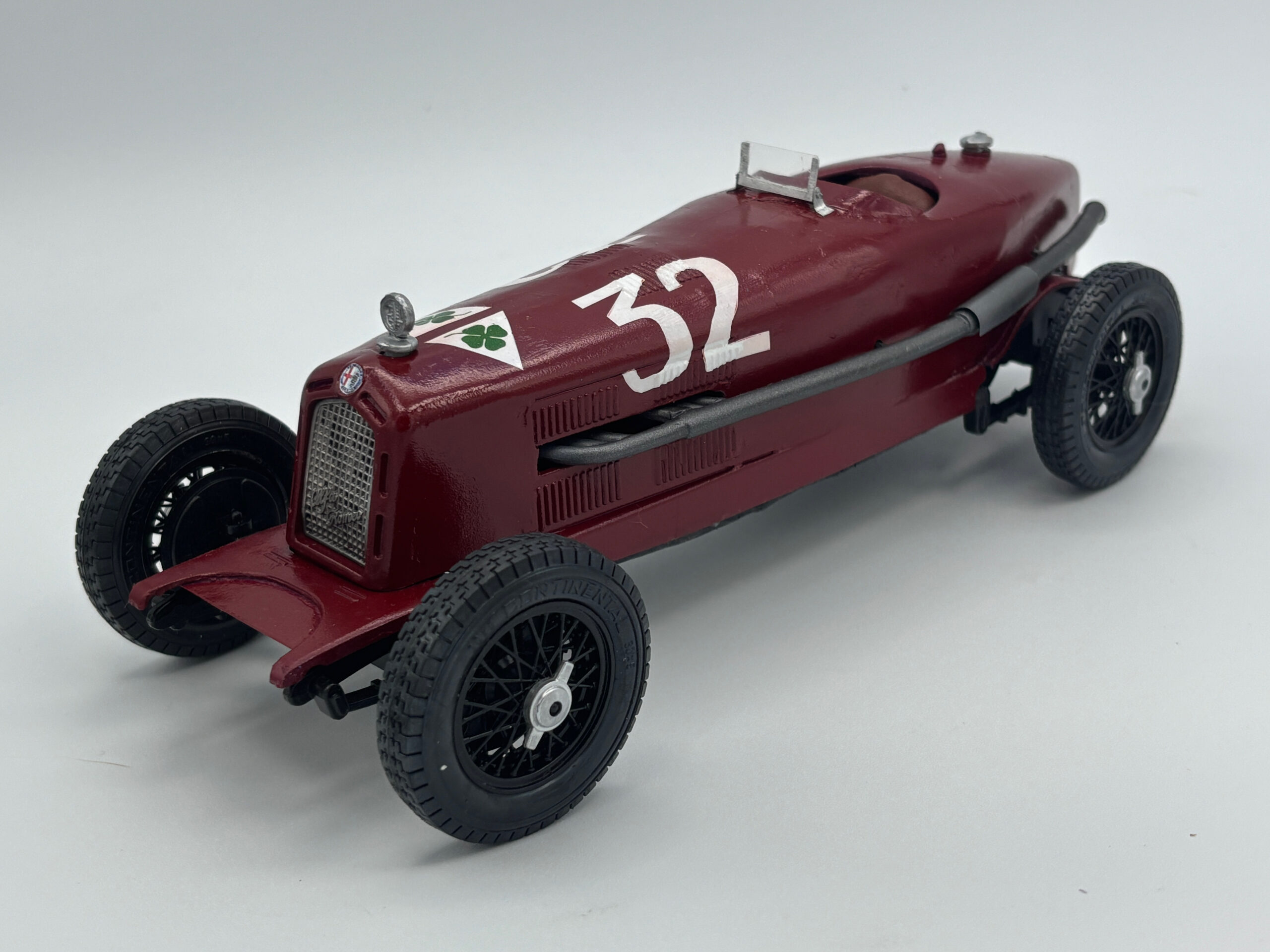
The Tipo A was Alfa Romeo’s first purpose-built single-seat Grand Prix car. Vittorio Jano created it by mounting two supercharged 1,752cc six-cylinder engines side by side, each connected through its own clutch and gearbox to the rear axle. The combined displacement was approximately 3.5 litres, but the duplicated powertrain added weight and complexity. Its power suited Pescara’s speed, although its mass and mechanical demands prevented it from becoming a lasting solution.
Giuseppe Campari was an Italian driver from the Milan area whose career with Alfa Romeo reached back to the marque’s formative competition years. A powerful, experienced road racer, he won the Mille Miglia twice and had already taken major victories at the Coppa Acerbo. His work with Scuderia Ferrari linked Alfa Romeo’s factory tradition to Enzo Ferrari’s developing team, and this Pescara success showed his ability to extract a result from an exceptionally unconventional car.
| Brand | Burago |
| FPR # | M |