
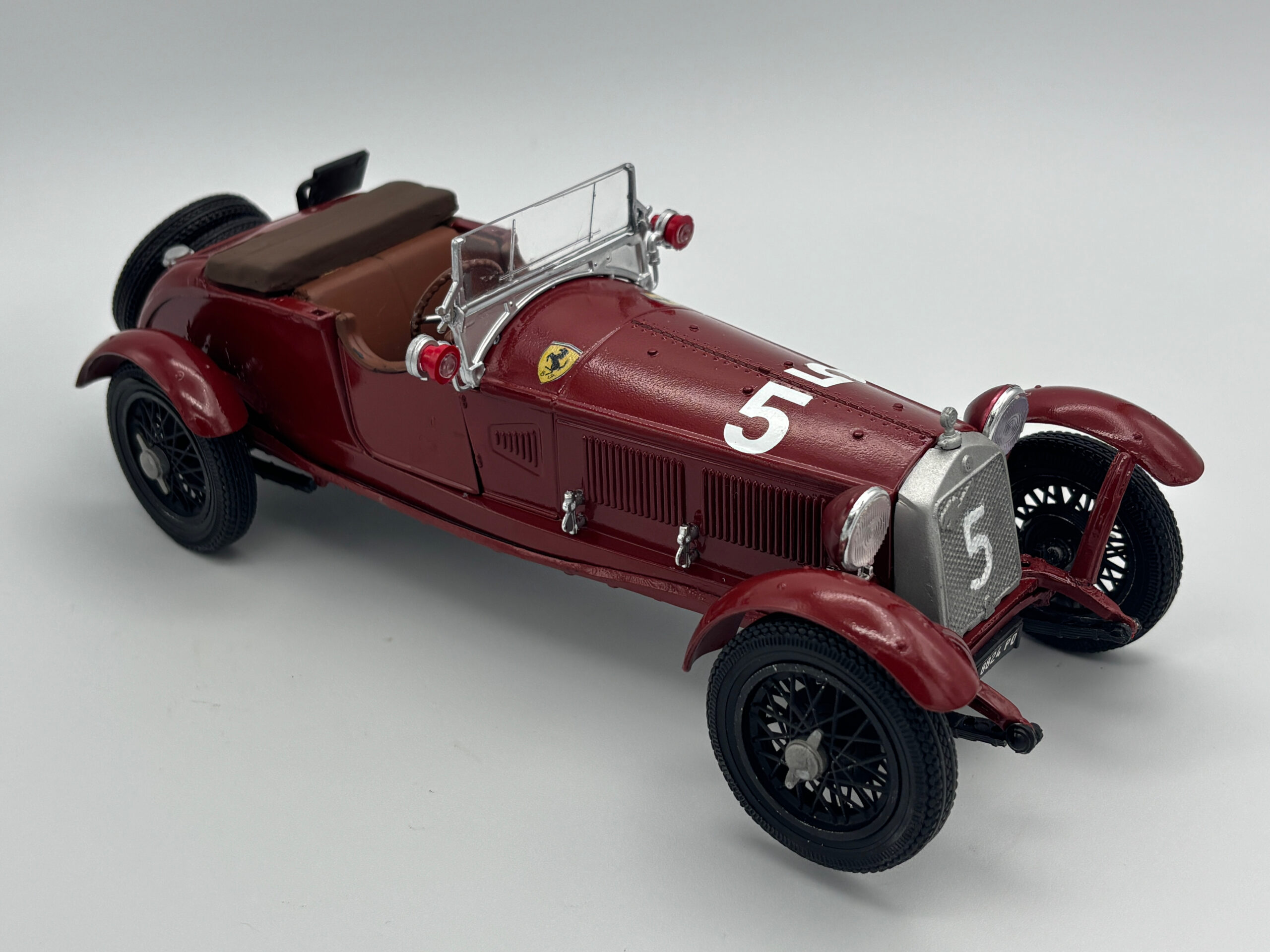
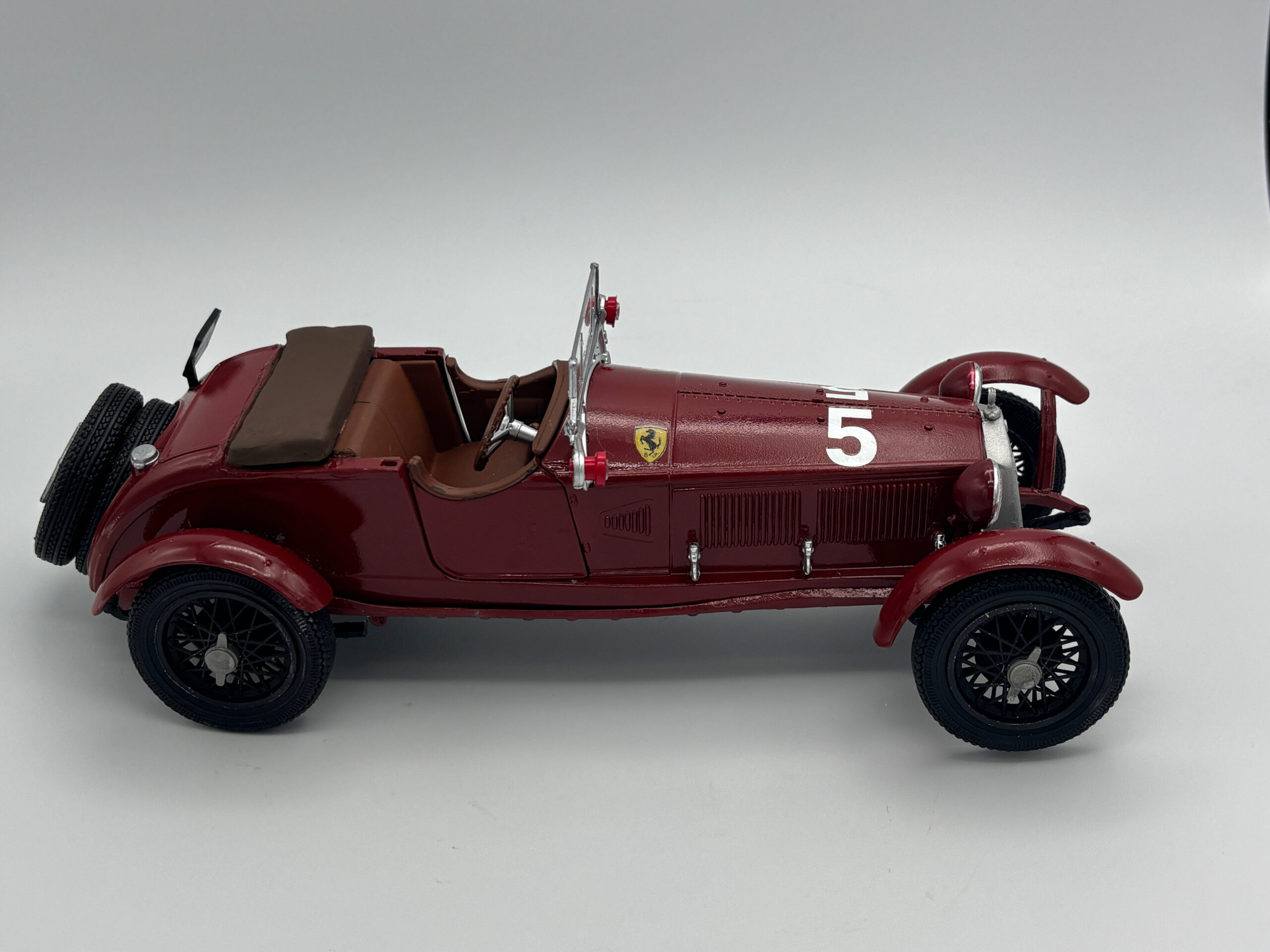
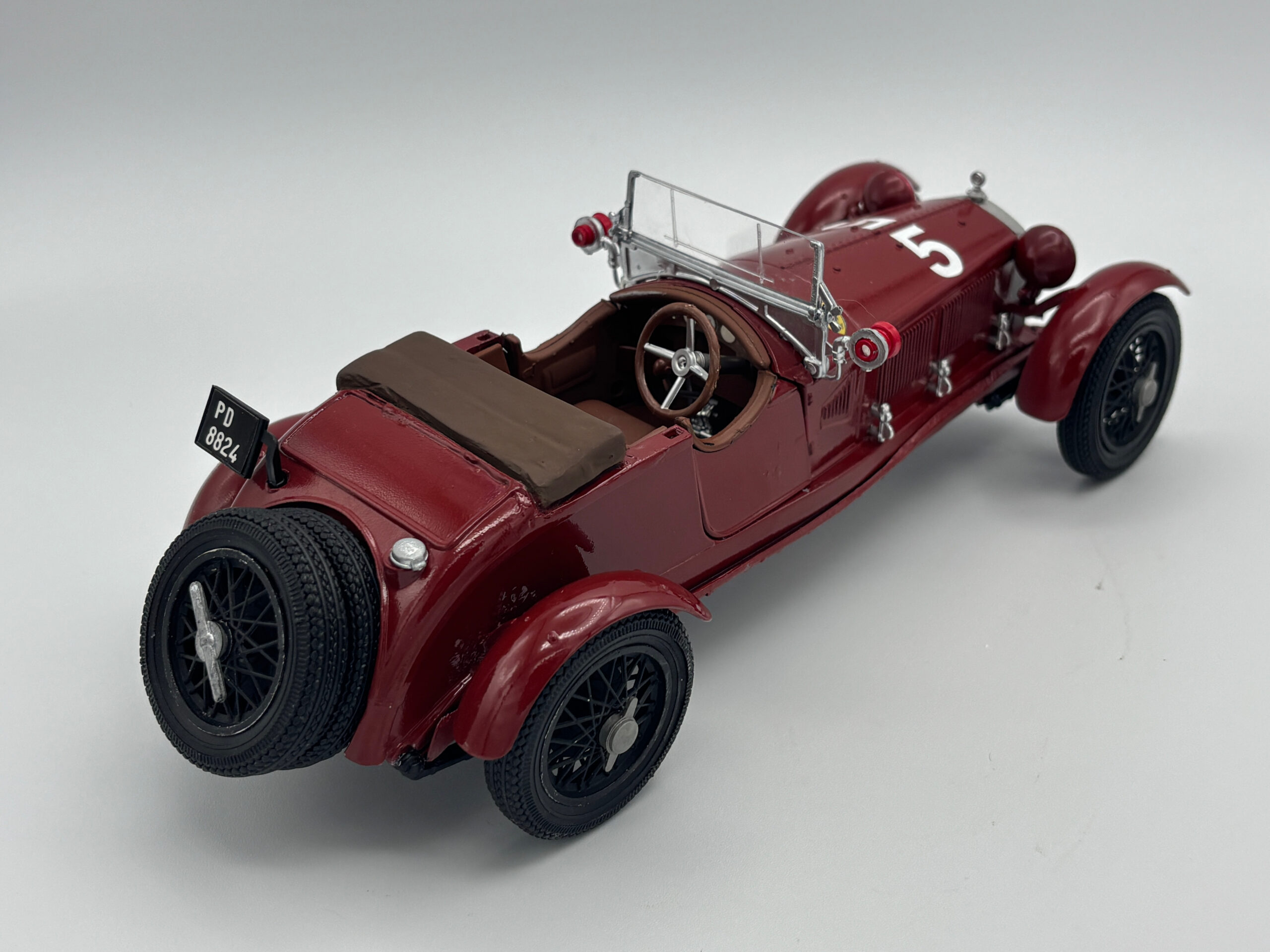
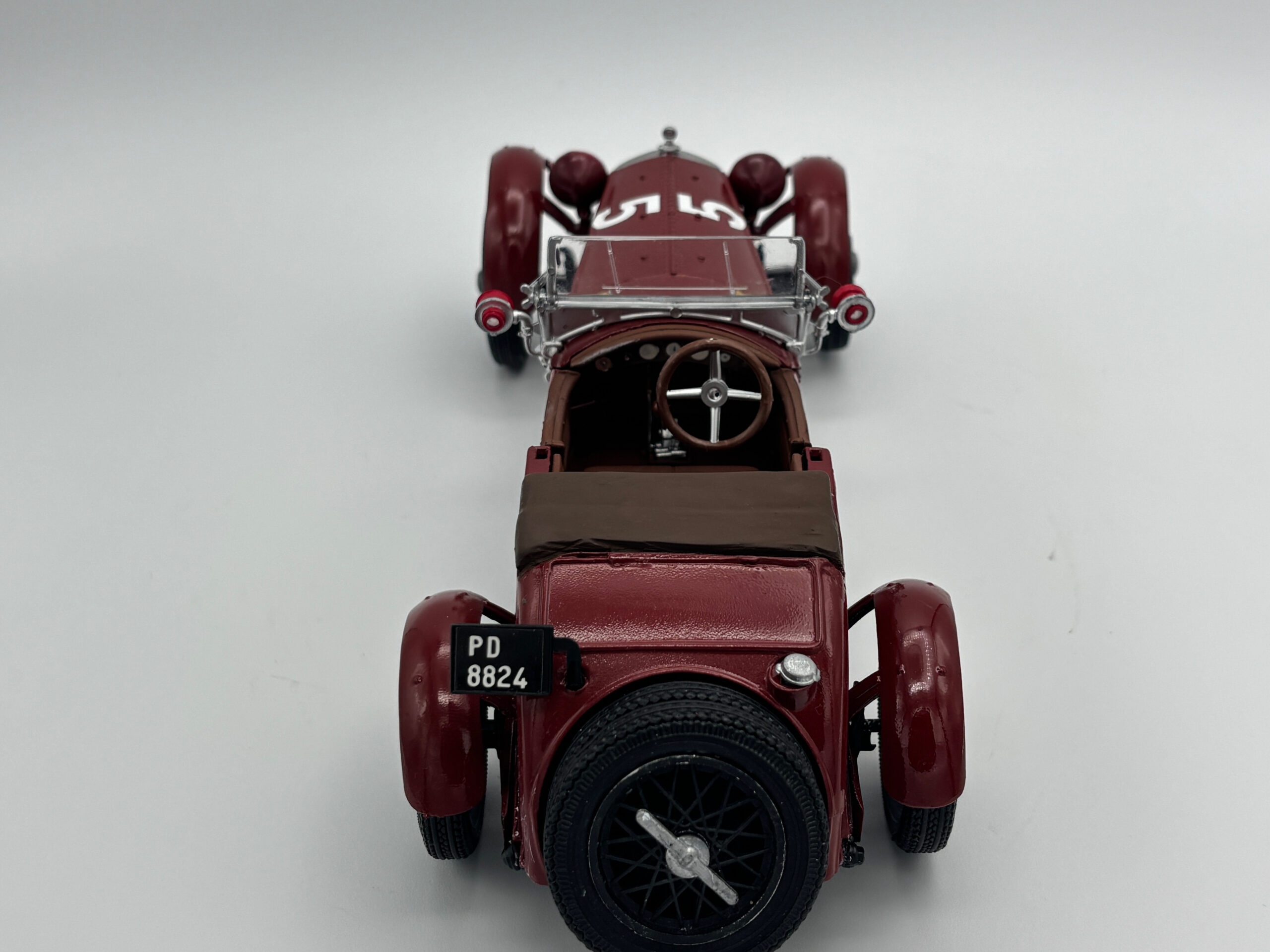
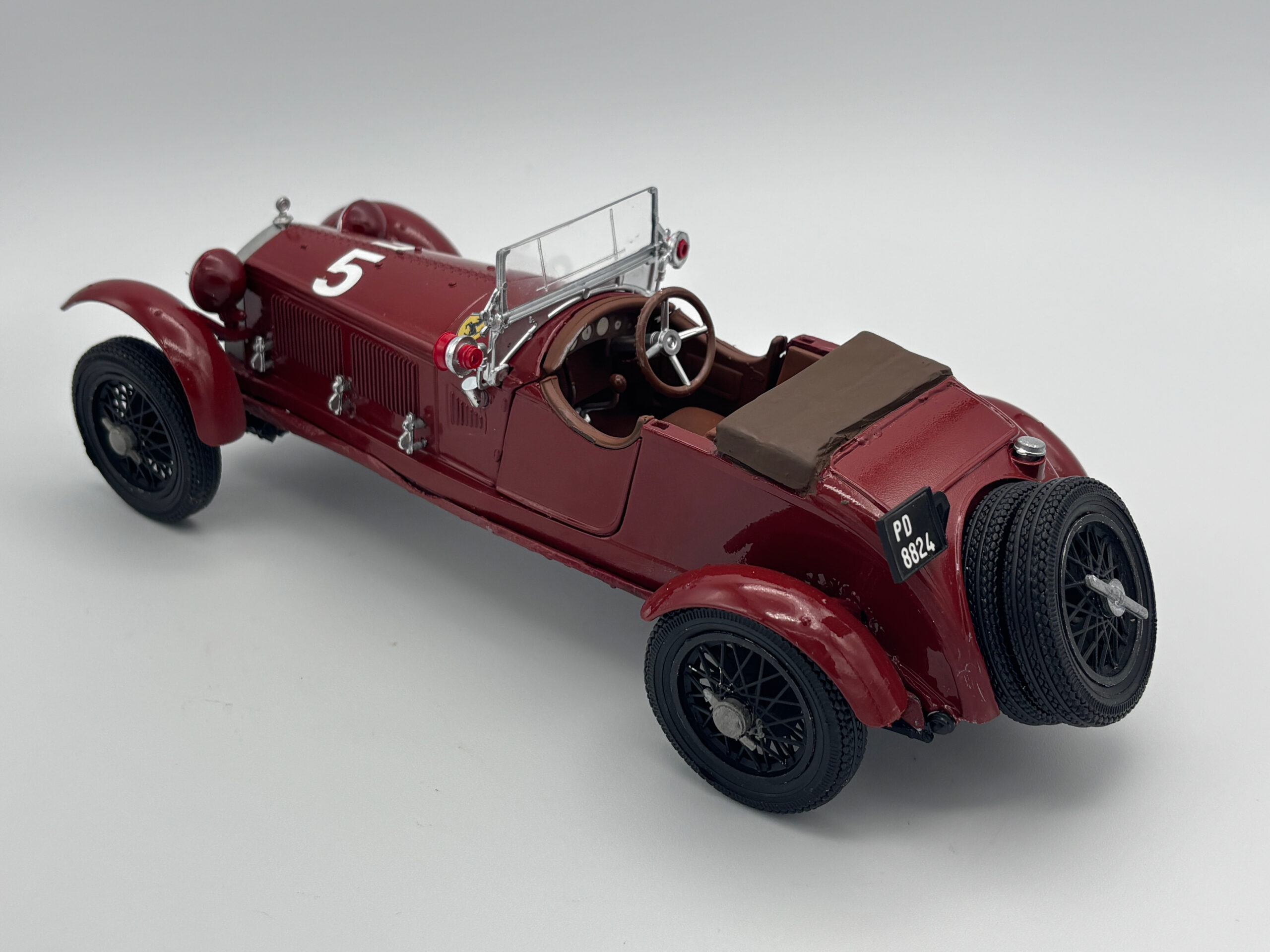
STORY OF THE DAY: A Small Alfa Endures at Pescara
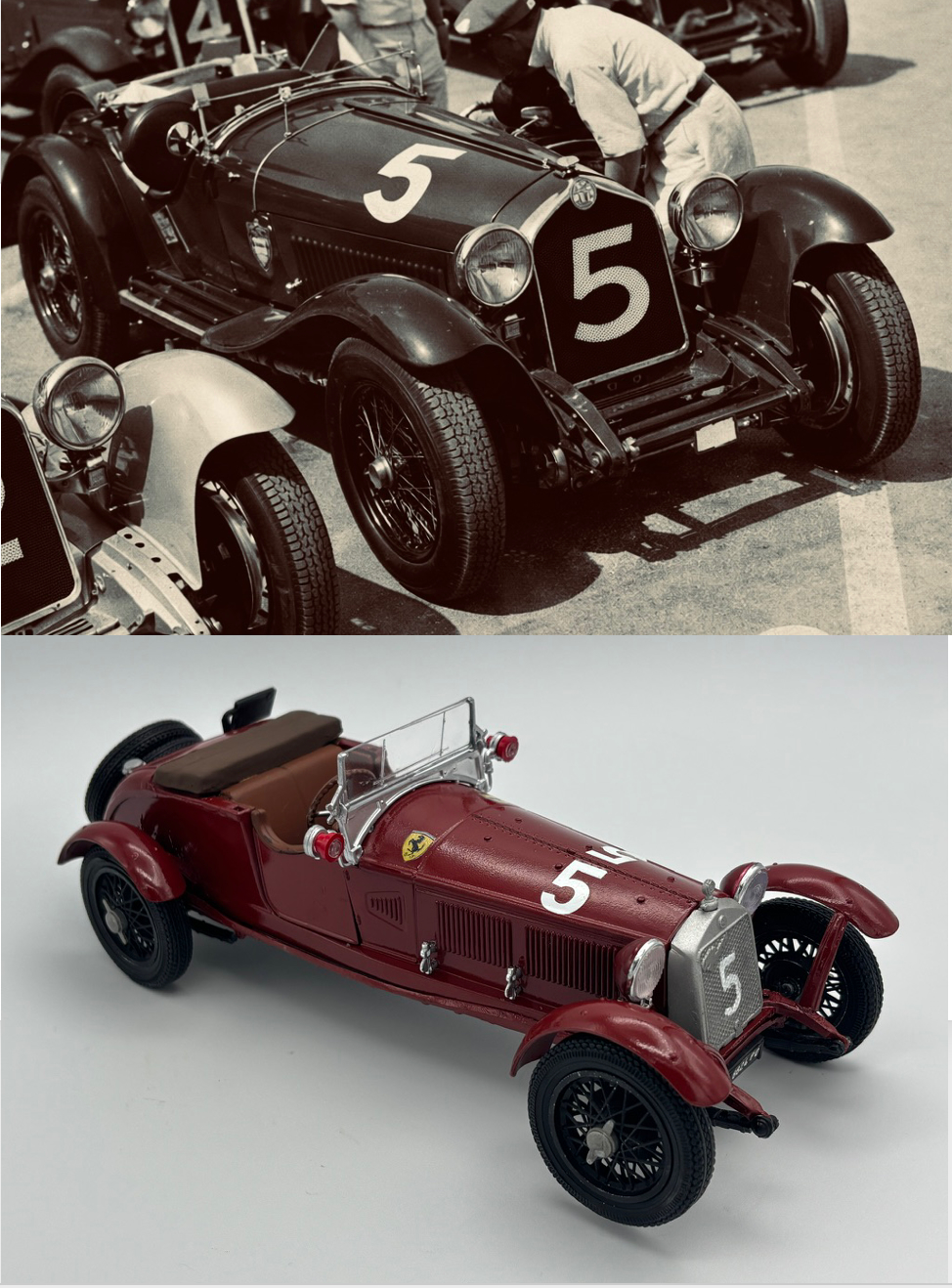
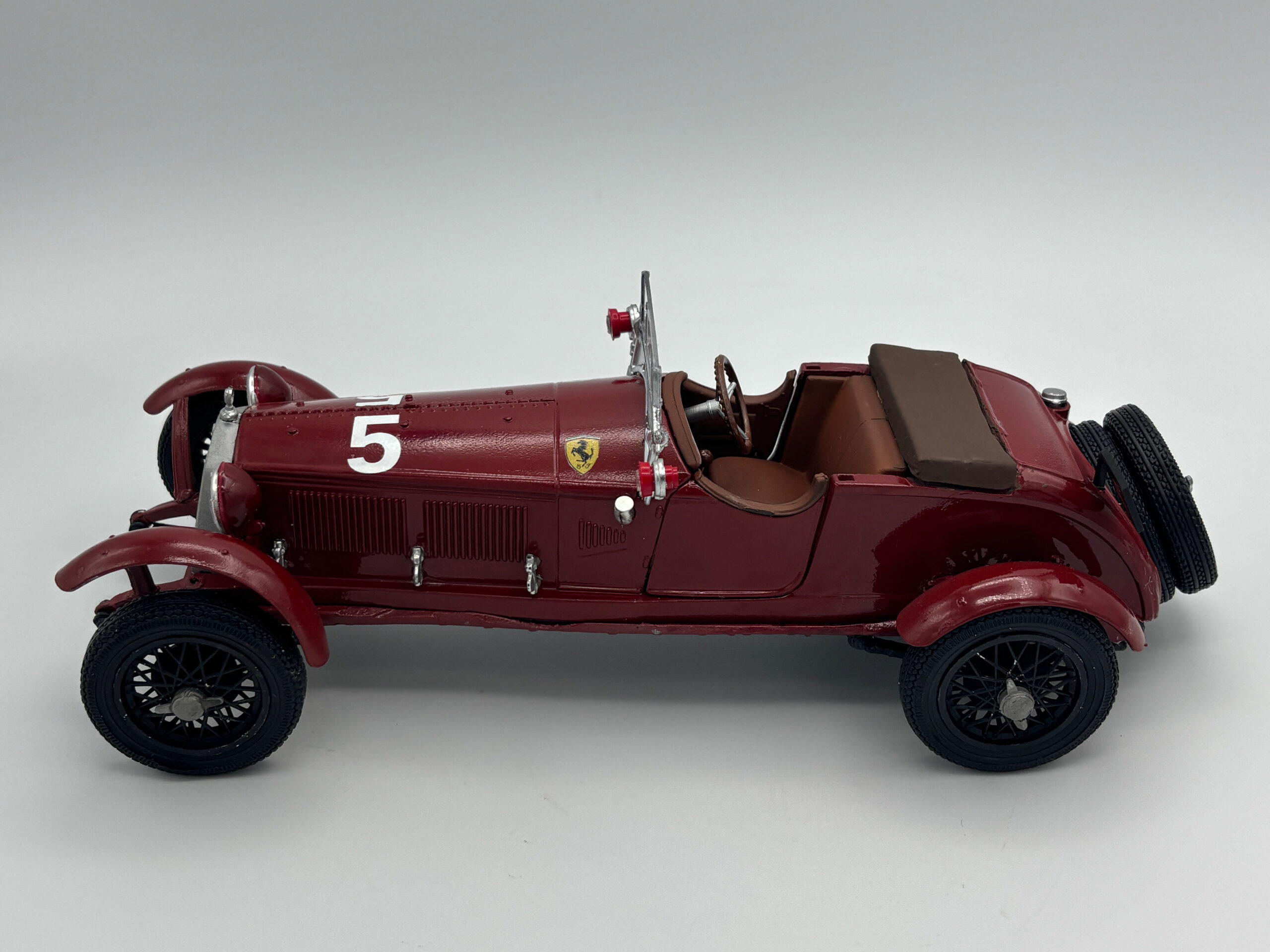
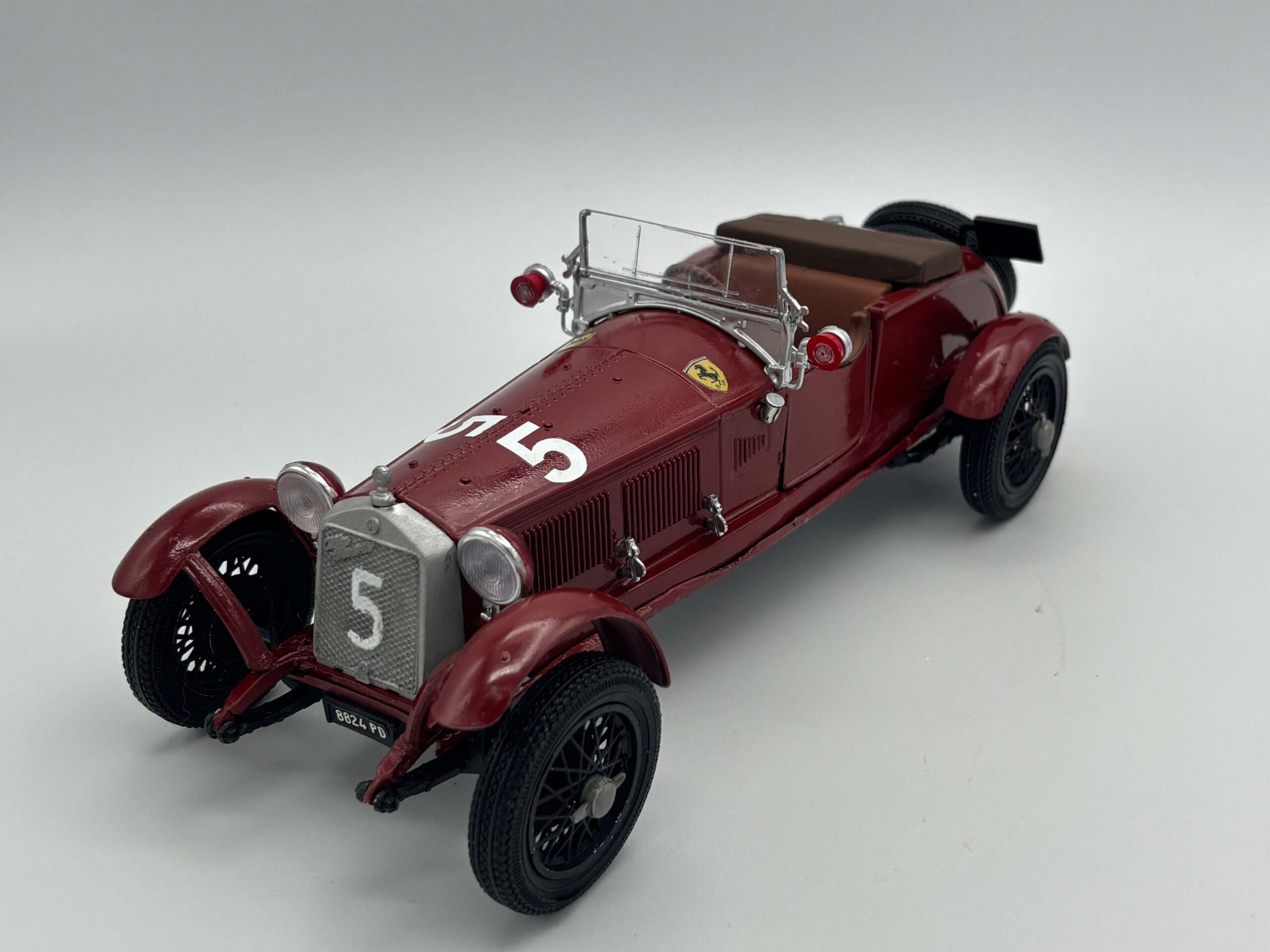
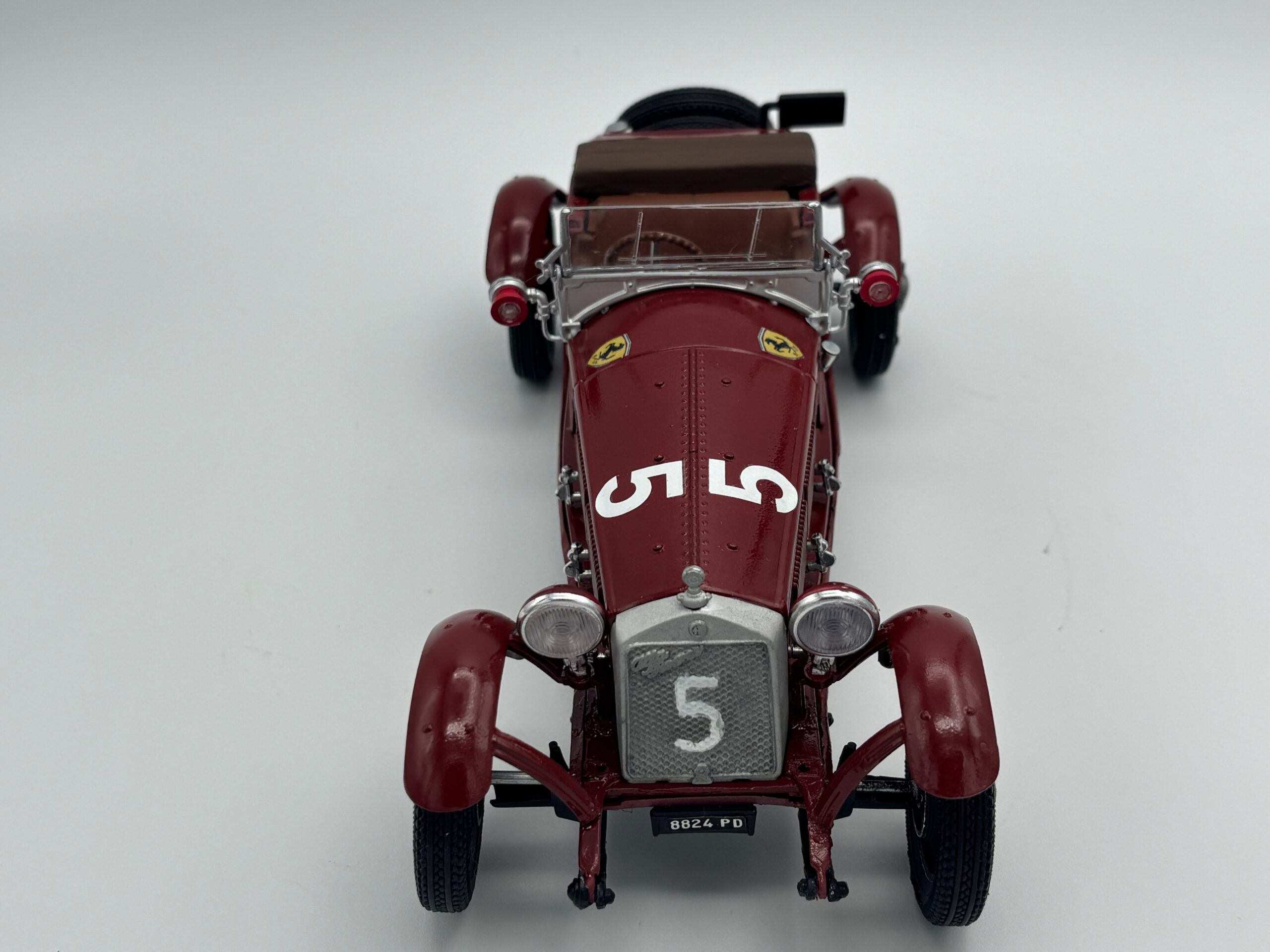
Luigi Soffietti drove the Alfa Romeo 6C 1500 identified as number 5 to sixth place in the Targa Abruzzo on 15 August 1932. Contested on the Pescara road circuit, whose lap measured about 25.5 kilometres, the race combined long flat-out sections with village streets and difficult corners. Soffietti completed the event behind faster machinery but secured a notable classified finish.
His performance was defined by economy and endurance rather than outright power. The Pescara course encouraged high speeds, yet its length and public-road surface punished overuse of tyres, brakes and engine. Guiding the smaller 1.5-litre Alfa to sixth required a rhythm that preserved the car while exploiting its agility through the circuit’s more confined sections.
The Alfa Romeo 6C 1500 was the foundational Vittorio Jano six-cylinder design from which the later 1750 evolved. It used a compact inline-six in a conventional separate chassis, with sporting derivatives gaining twin-overhead-camshaft cylinder heads and, in the fastest forms, supercharging. Relatively low weight and predictable handling made the model a practical choice for a long road circuit despite its power disadvantage.
Luigi Soffietti was an Italian driver active in domestic sports-car competition during the interwar years and appeared in Scuderia Ferrari-entered Alfa Romeos. He was not among the era’s heavily documented Grand Prix stars, making surviving race results central to his record. Sixth at the Targa Abruzzo shows him successfully managing a modest-capacity car in one of Italy’s fastest road-racing settings.
| Brand | 1:16 Polistil |
| FPR # | M |