STORY OF THE DAY: A Grand Prix Alfa Conquers the Open Road
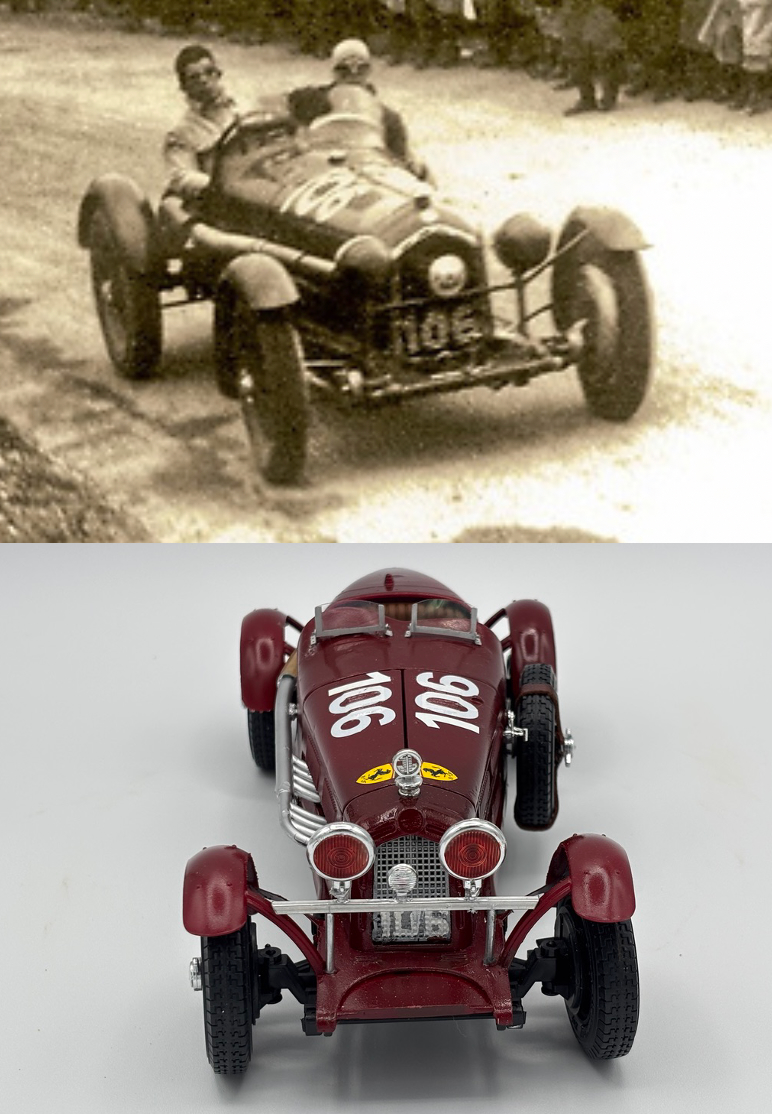
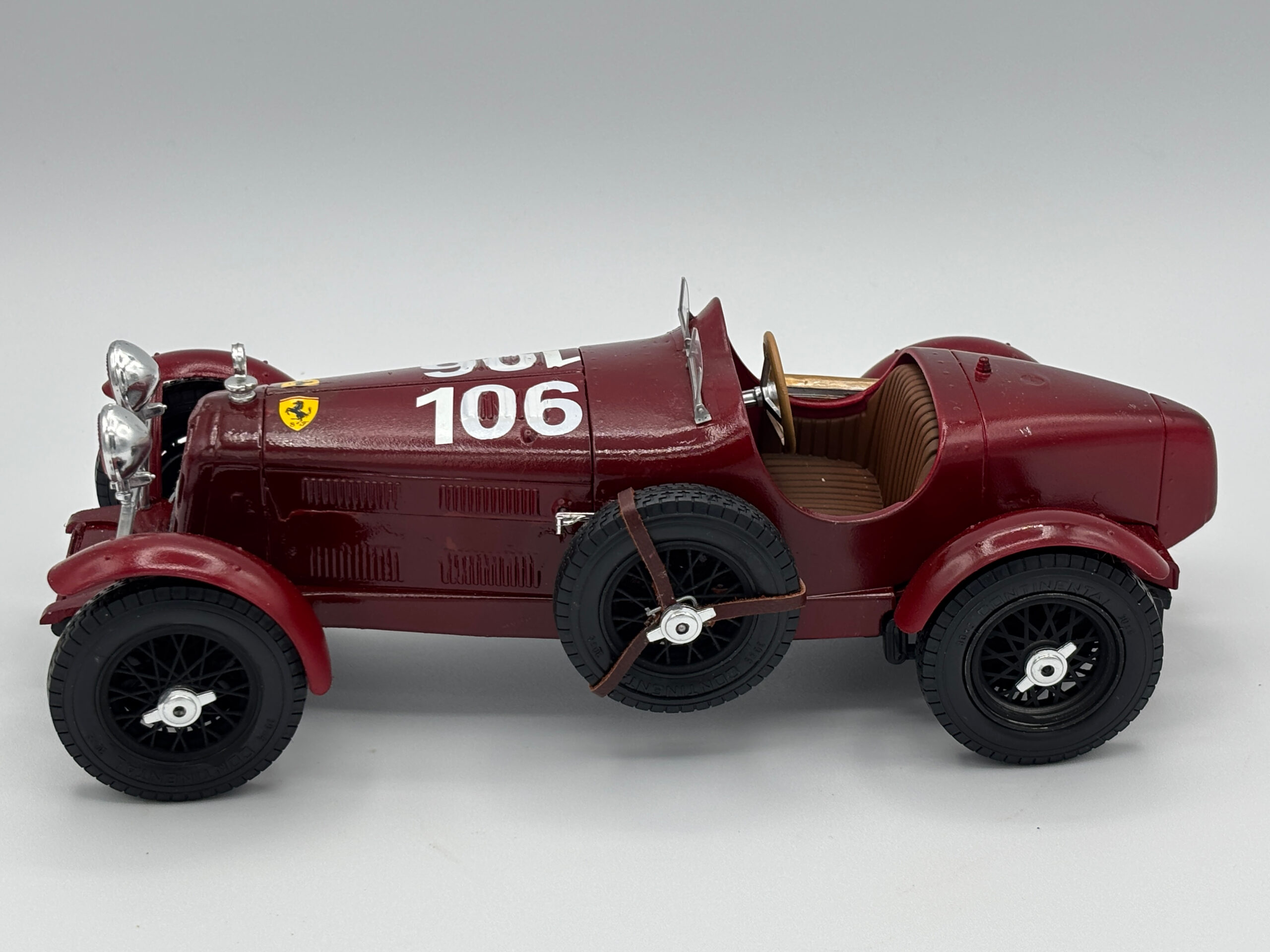
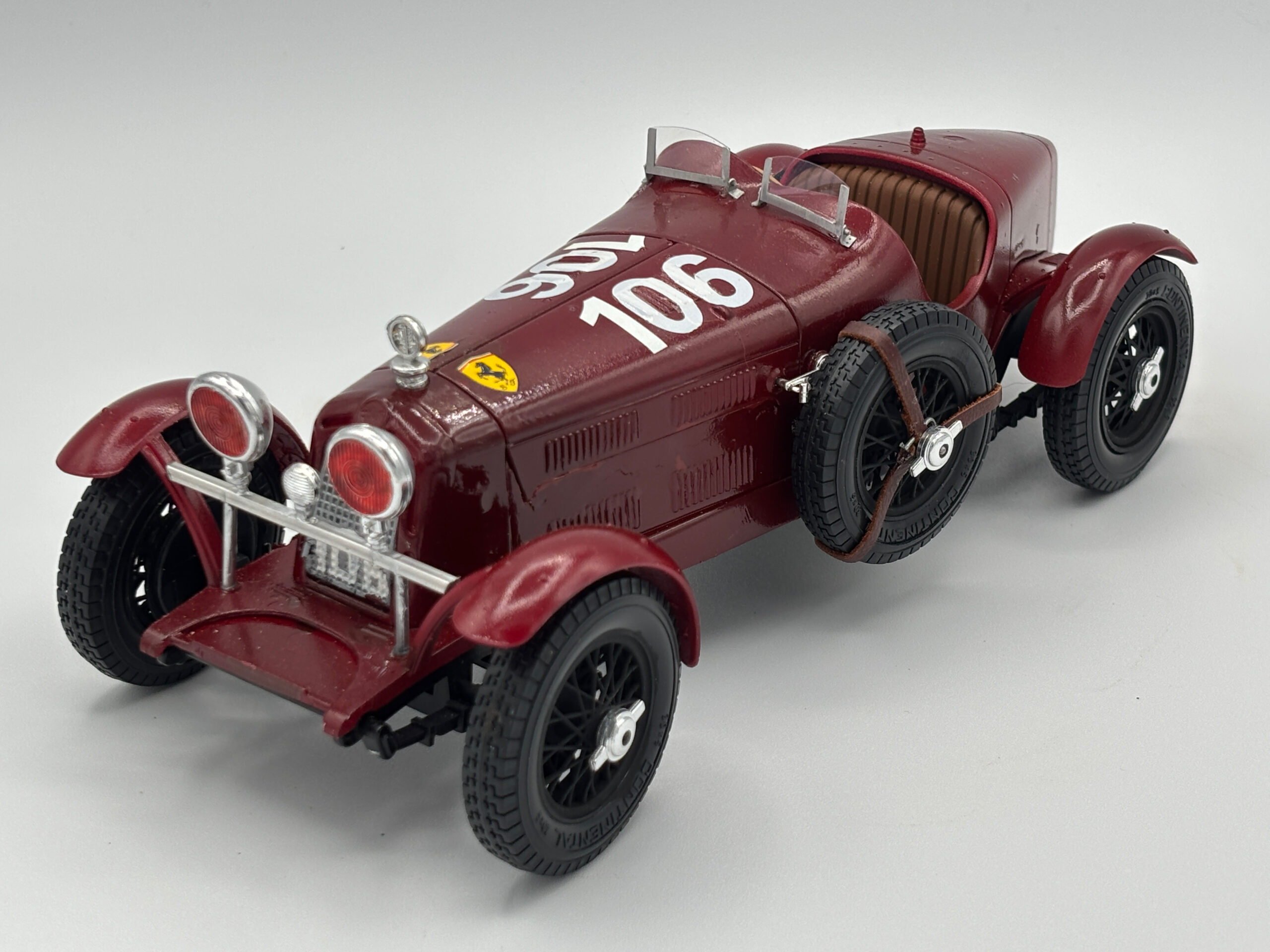
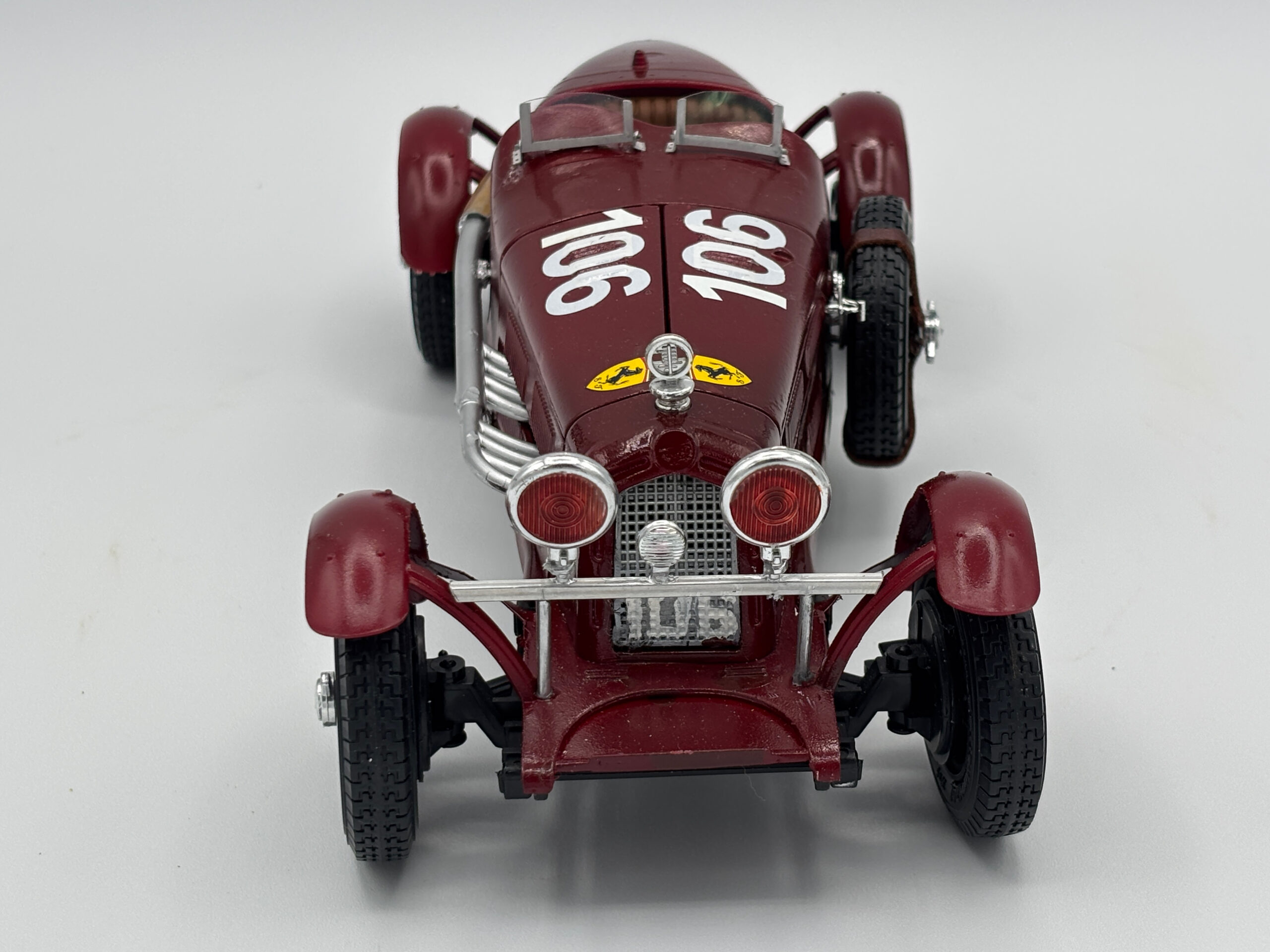
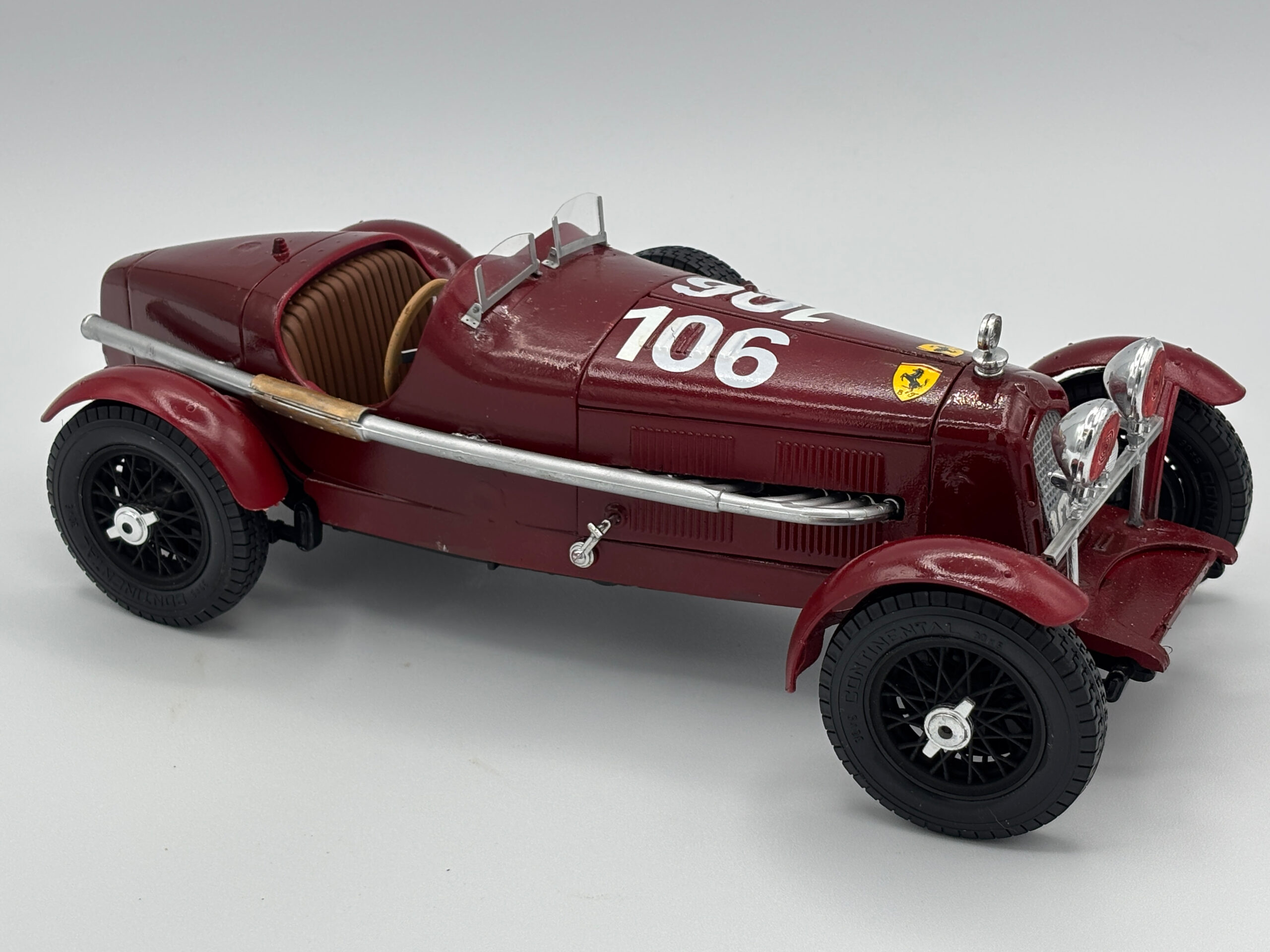
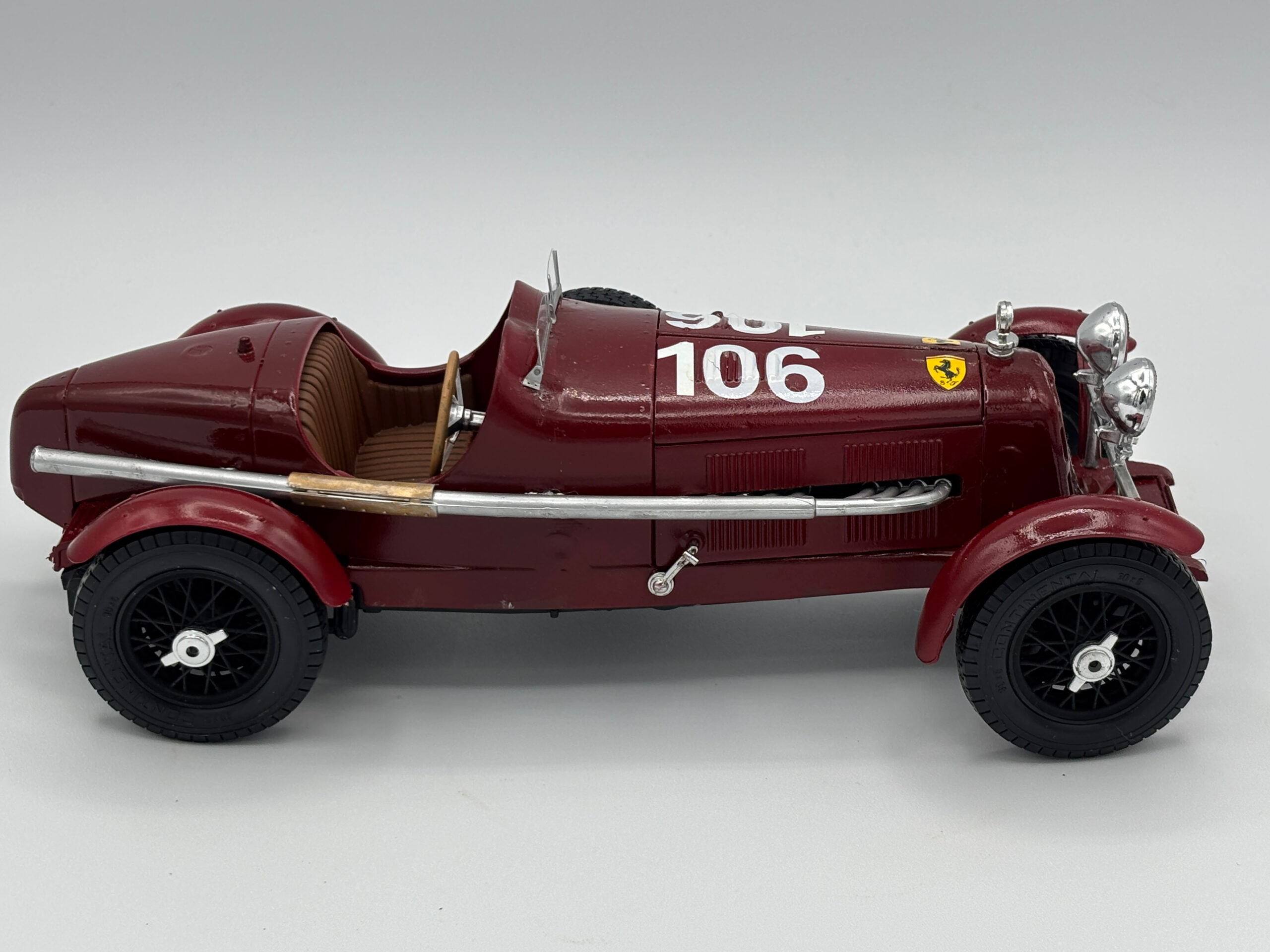
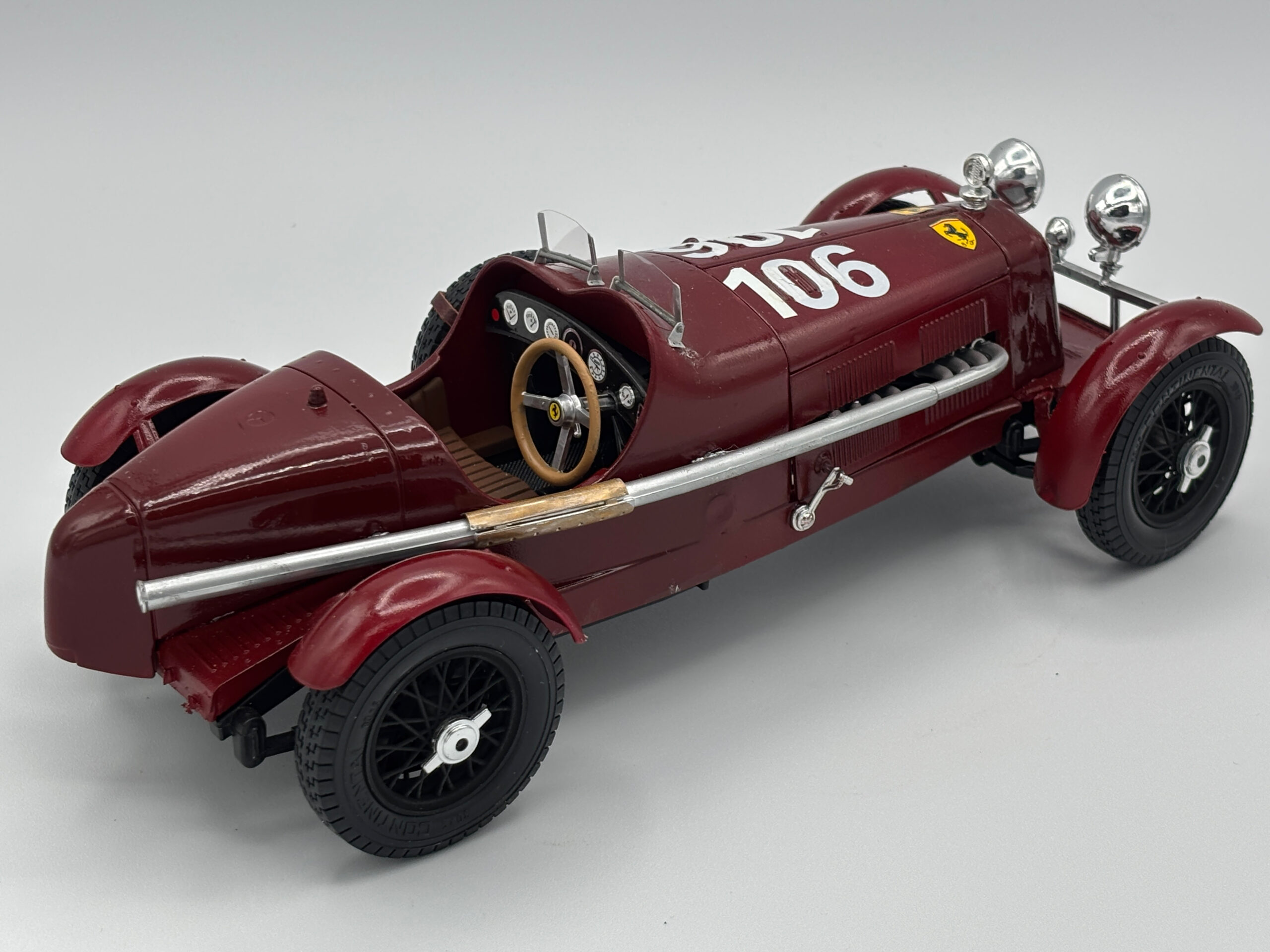
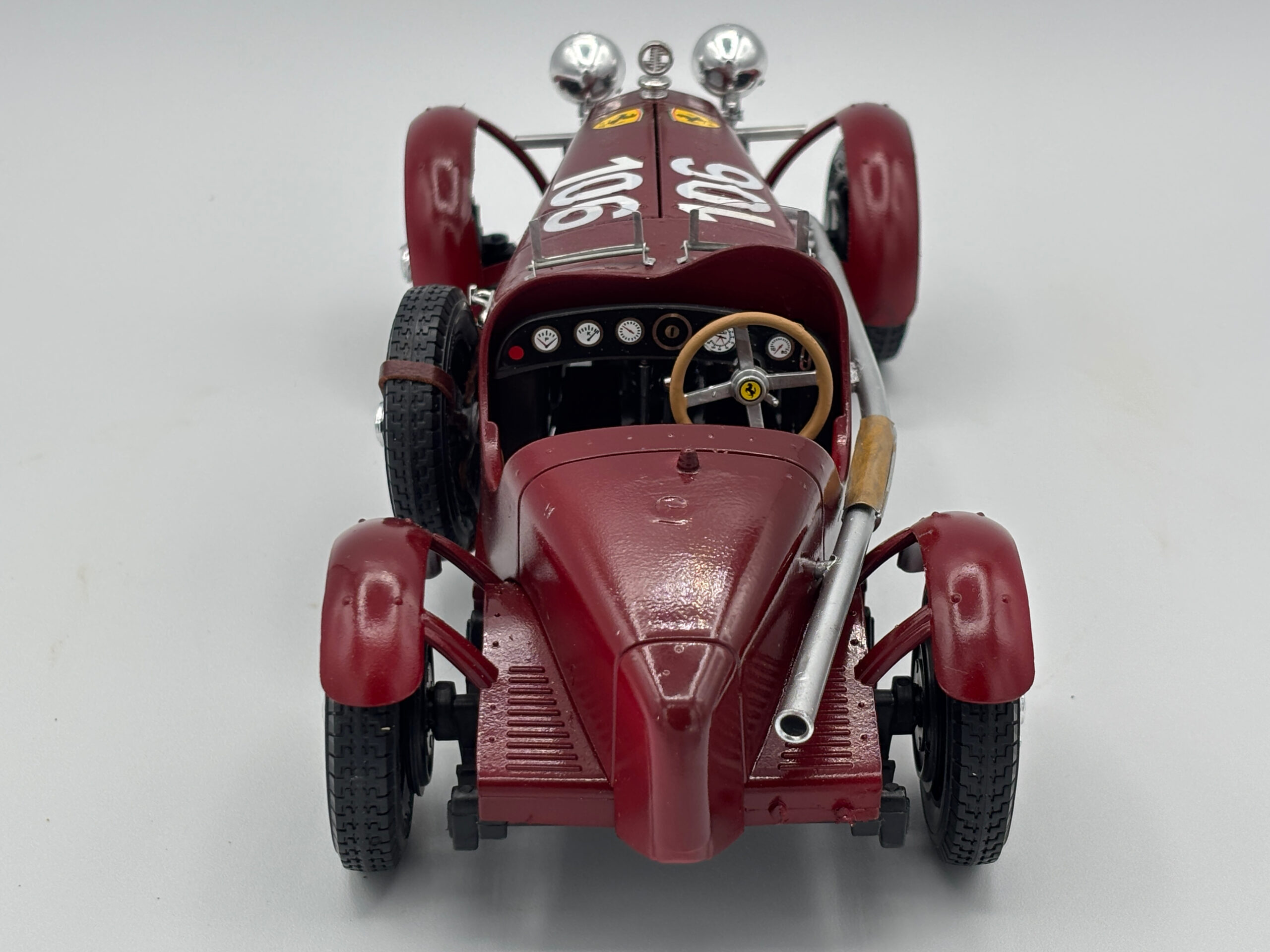
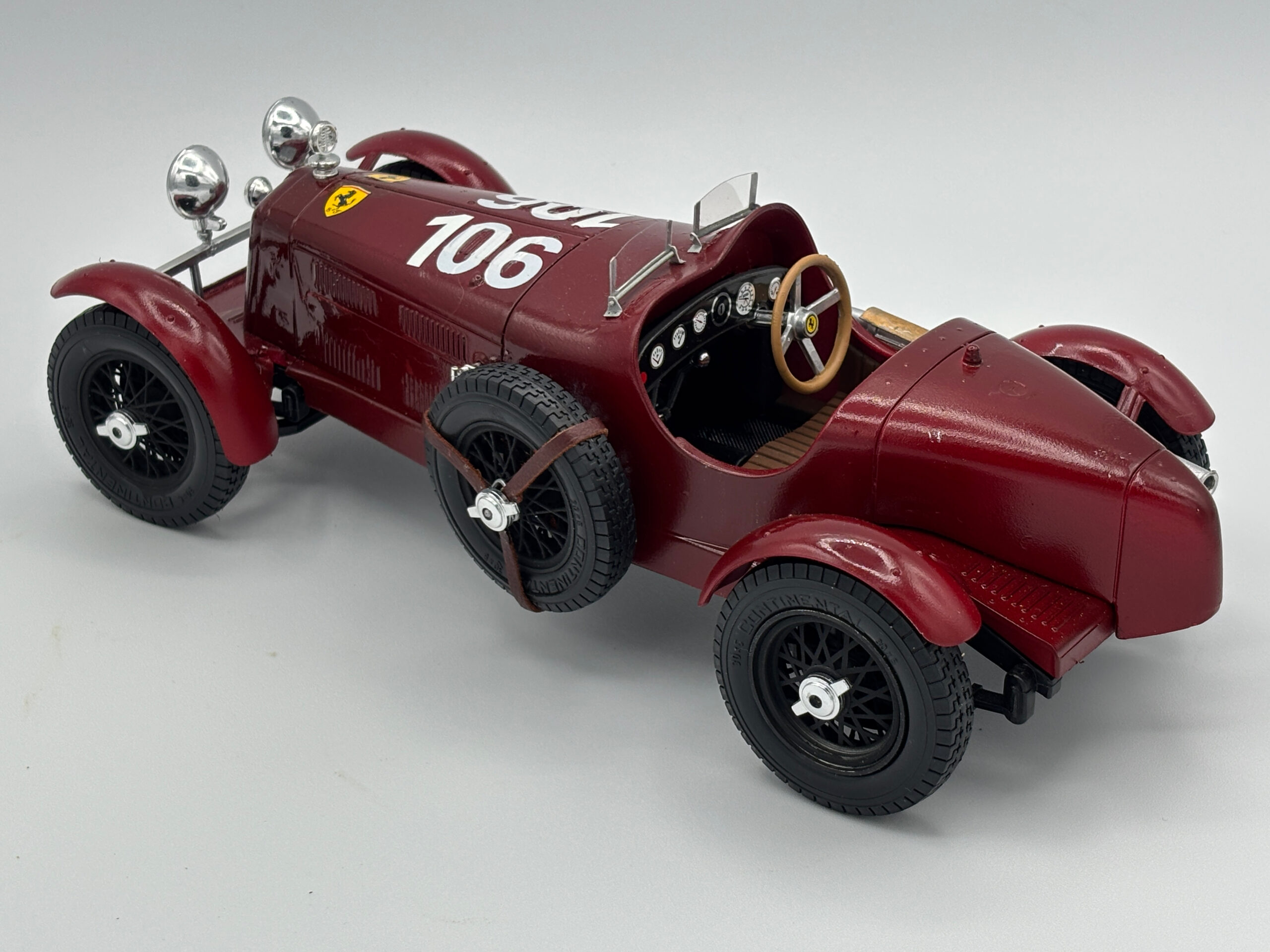
Carlo Pintacuda and Alessandro Della Stufa won the 1935 Mille Miglia in the number 106 Scuderia Ferrari Alfa Romeo Tipo B P3 converted to two-seat 2.9-litre form. They completed the 1,615-kilometre Brescia–Rome–Brescia route in 14 hours 4 minutes 47 seconds at an average of 114.753 km/h. The victory extended Alfa Romeo and Scuderia Ferrari’s dominance of Italy’s foremost road race.
The unusual choice of machinery defined the day. The P3 had been conceived as a single-seat Grand Prix car, yet the Scuderia adapted it to satisfy sports-car requirements by providing space for a riding companion, road equipment and cycle wings. Pintacuda managed the uncompromising machine across the entire course, while Della Stufa endured the exposed second position and supported the effort to Brescia.
The Tipo B P3 was a Vittorio Jano racing design powered in this form by a supercharged 2.9-litre straight-eight with twin overhead camshafts. Two superchargers fed separate groups of cylinders, while the transmission divided drive toward the rear wheels through twin propeller shafts. Light and powerful but developed for Grand Prix racing, the biposto conversion created an exceptionally fast, if austere, Mille Miglia car.
Carlo Maria Pintacuda was an Italian driver whose reputation grew from road racing and whose forceful, mechanically sympathetic style made him a leading Scuderia Ferrari competitor. Alessandro Della Stufa was an Italian nobleman and racing companion entrusted with the demanding second seat. Their victory transformed Pintacuda into a Mille Miglia winner and gave Della Stufa a place in the record of one of the event’s most remarkable adapted cars.
| Brand | Burago |
| FPR # | M |