STORY OF THE DAY: Two Engines, One Unruly Experiment
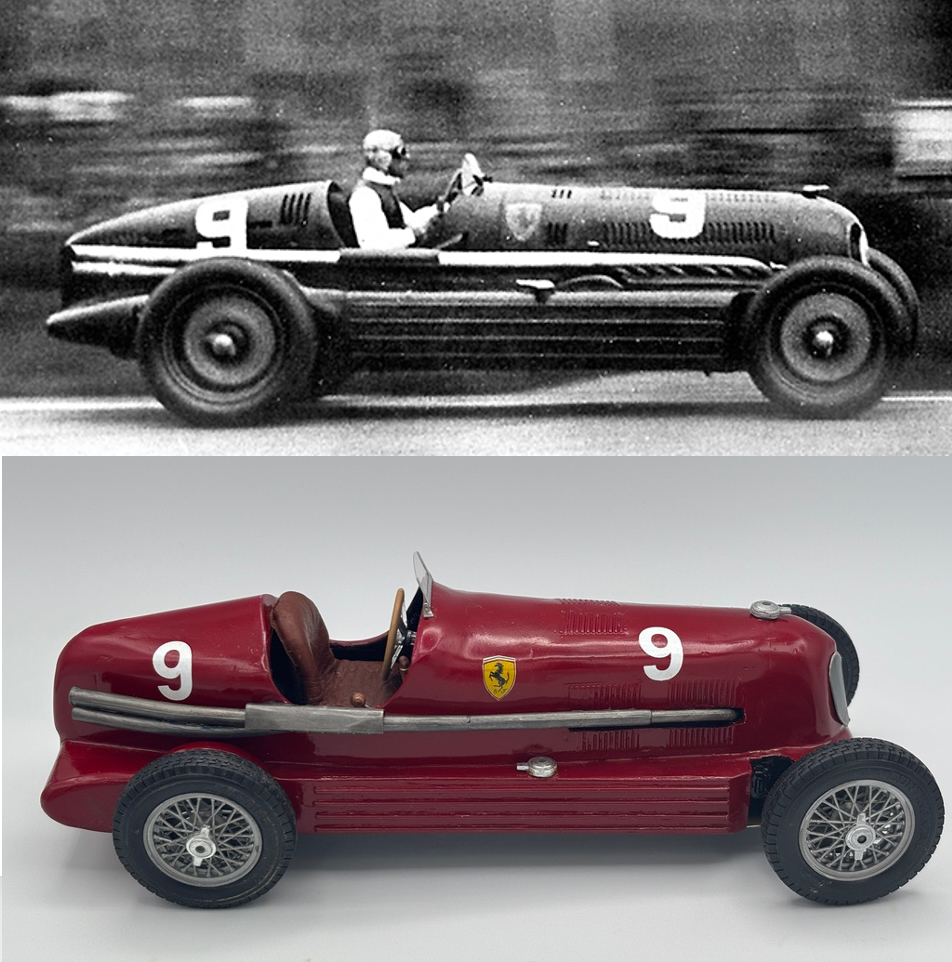
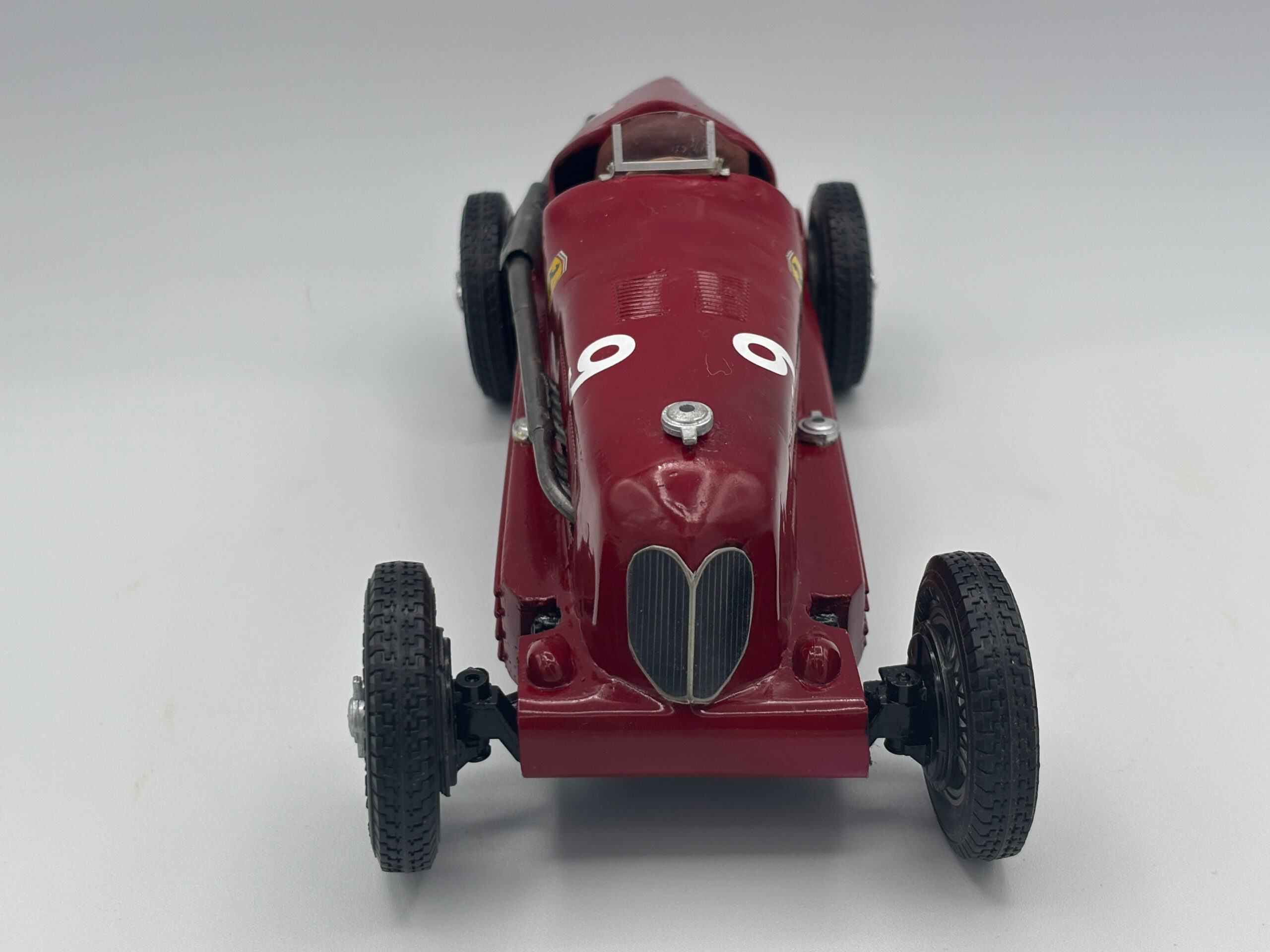
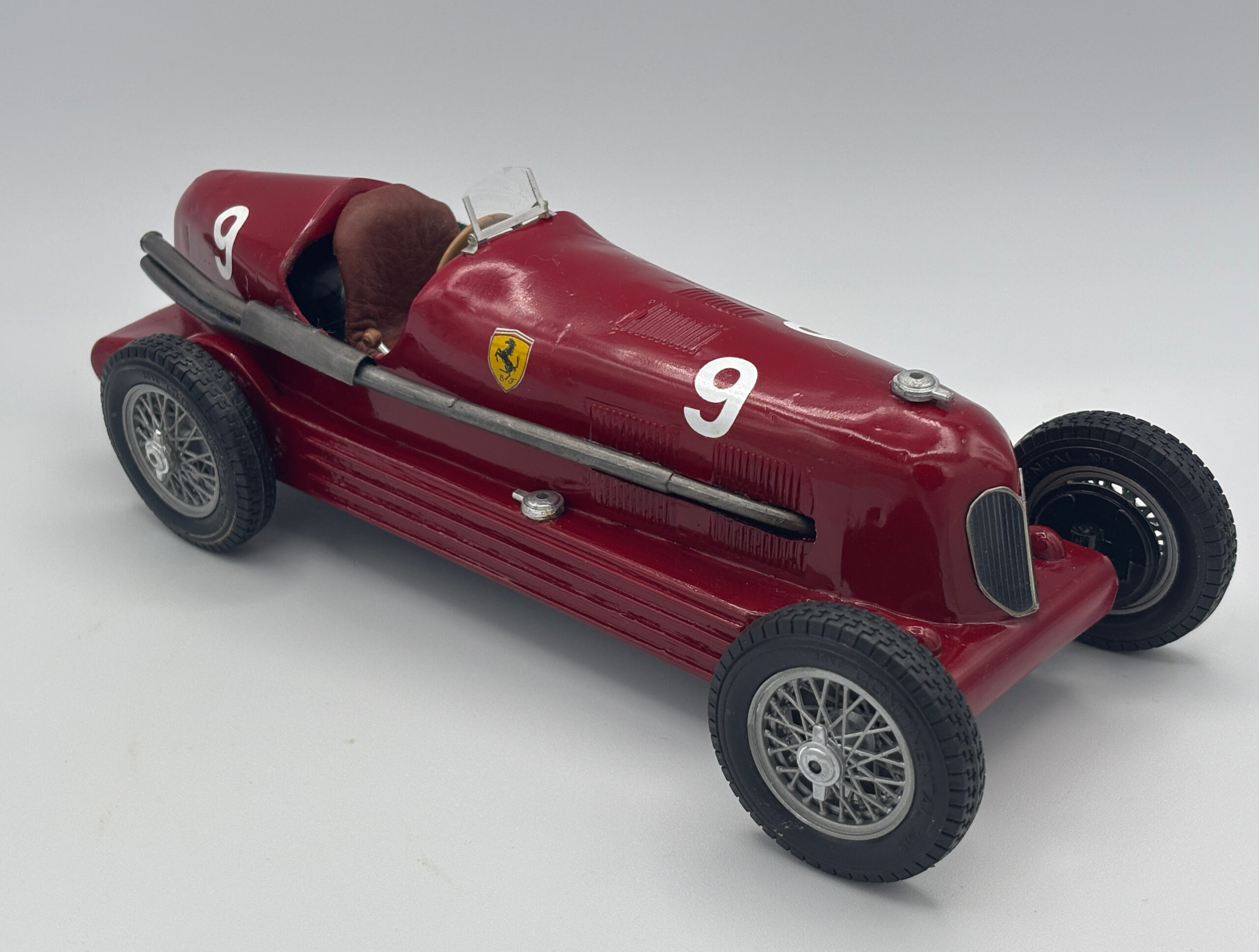
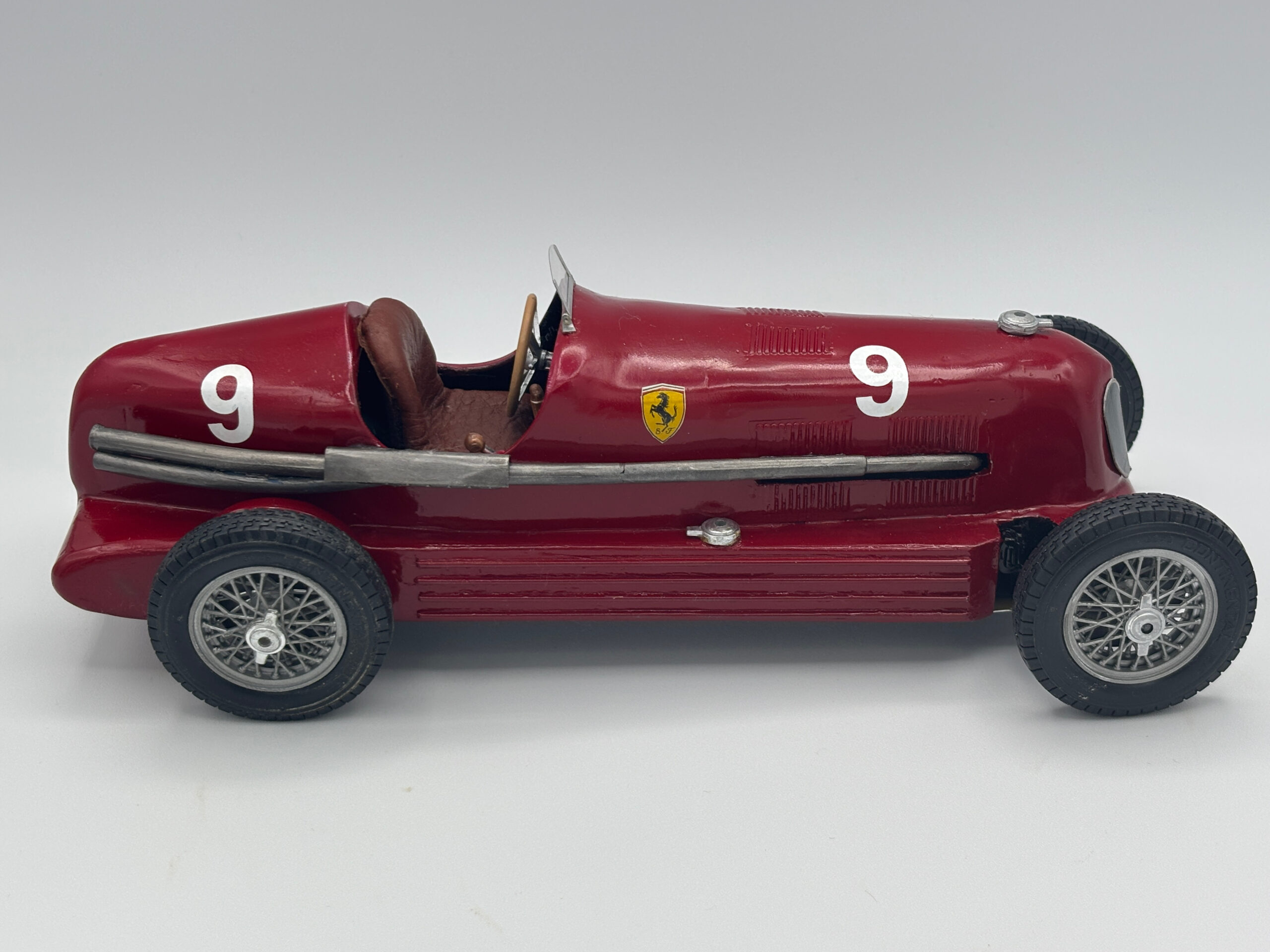
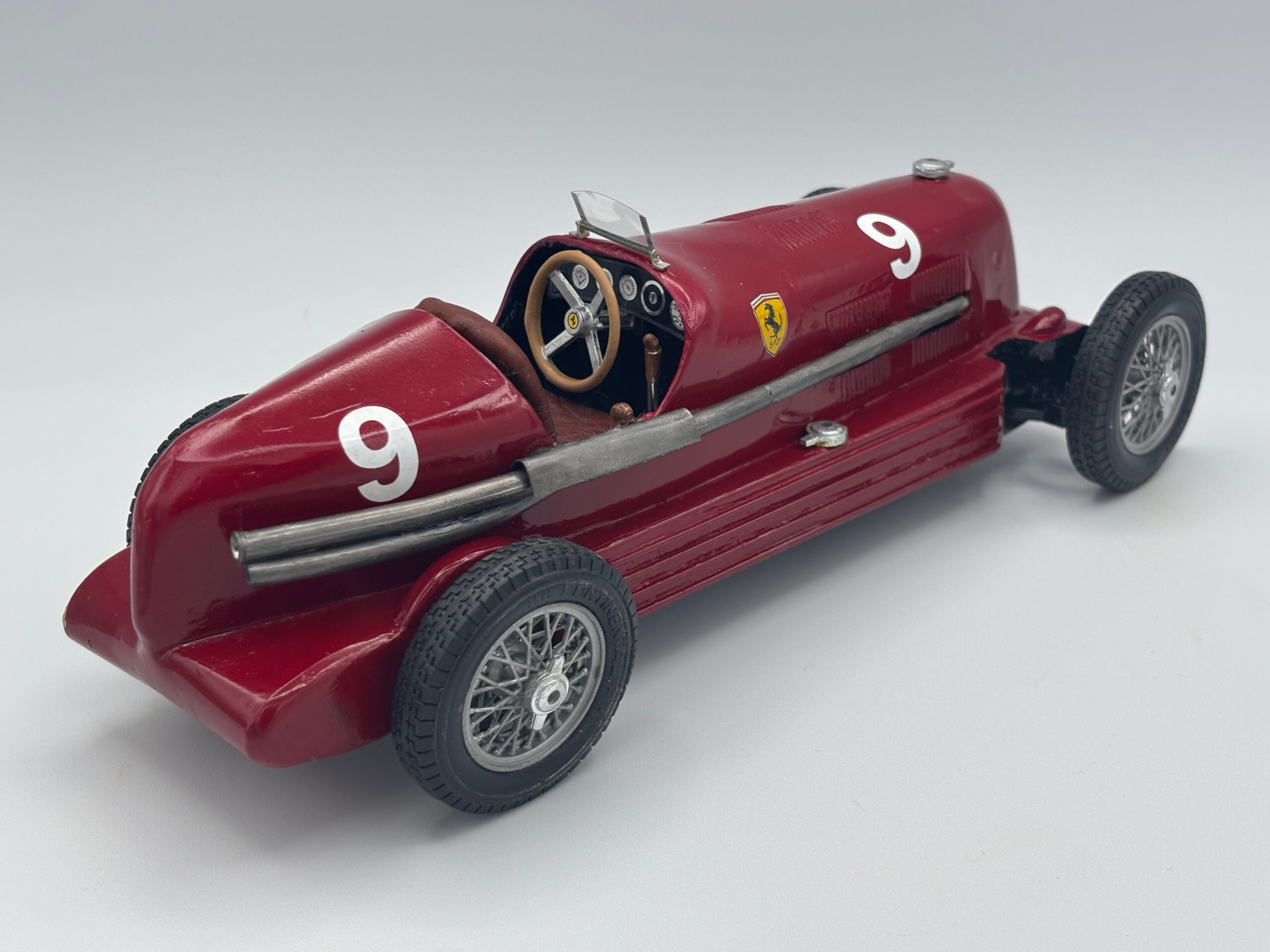
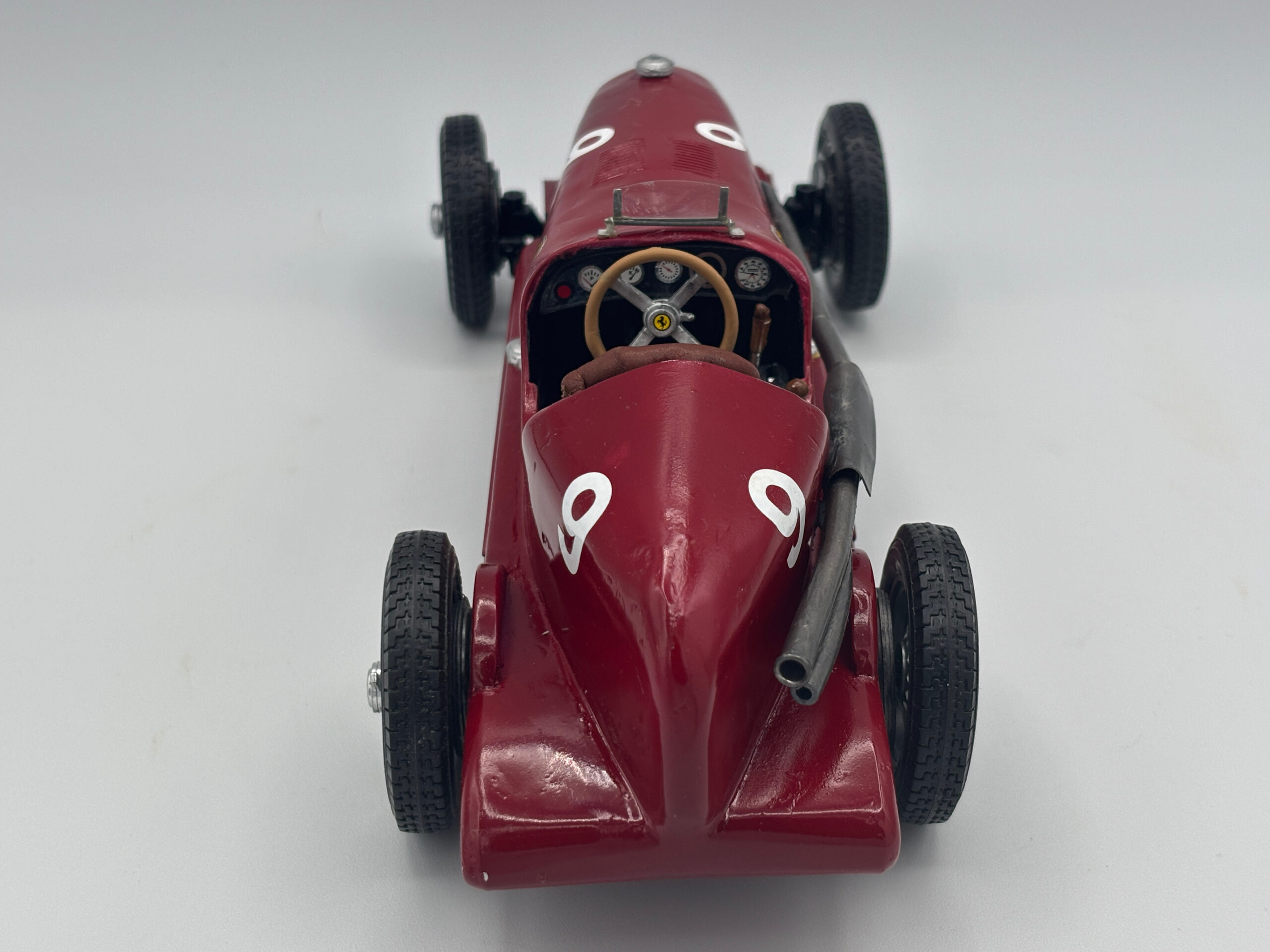
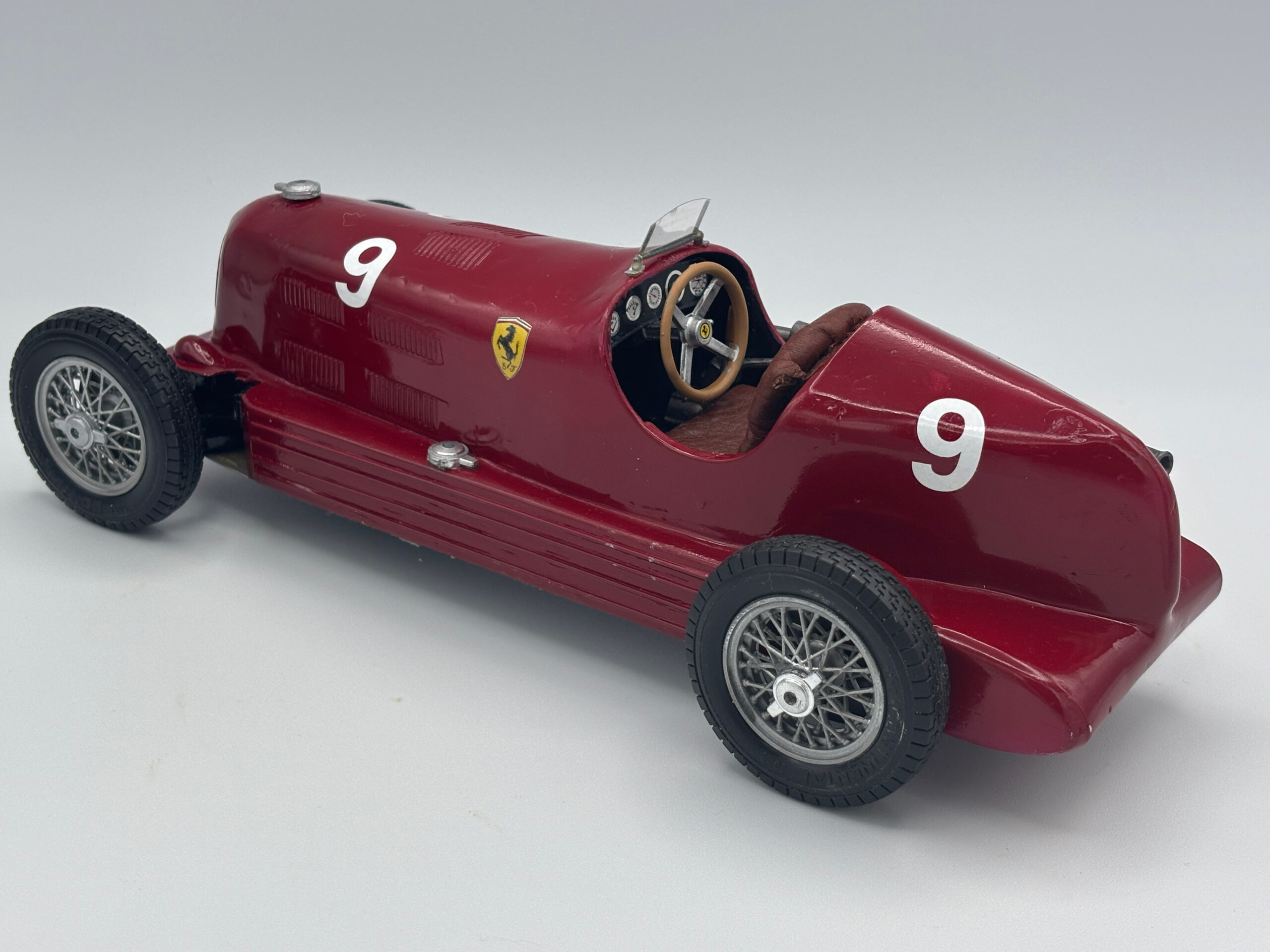
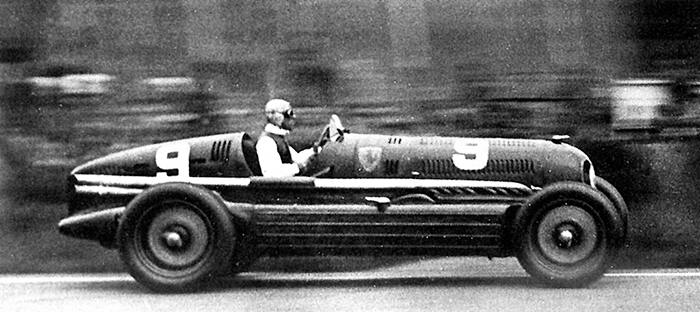
Tazio Nuvolari finished sixth in the 1935 AVUS race with Scuderia Ferrari’s number 9 Alfa/Ferrari Bimotore 6300. The Formula Libre contest was run in heats on Berlin’s ultra-fast circuit, where the twin-engined car had been created to oppose the superior power of Mercedes-Benz and Auto Union. Its pace was spectacular, but the final result exposed the difficulty of turning that performance into an effective racing package.
Nuvolari initially used the Bimotore’s immense acceleration to engage Achille Varzi’s Auto Union in a striking high-speed contest. The Alfa could run with the German cars on the straights, yet its weight, fuel consumption and severe demand on its tyres undermined the effort. Repeated stops and the need to manage the machine left Nuvolari sixth rather than in contention for victory.
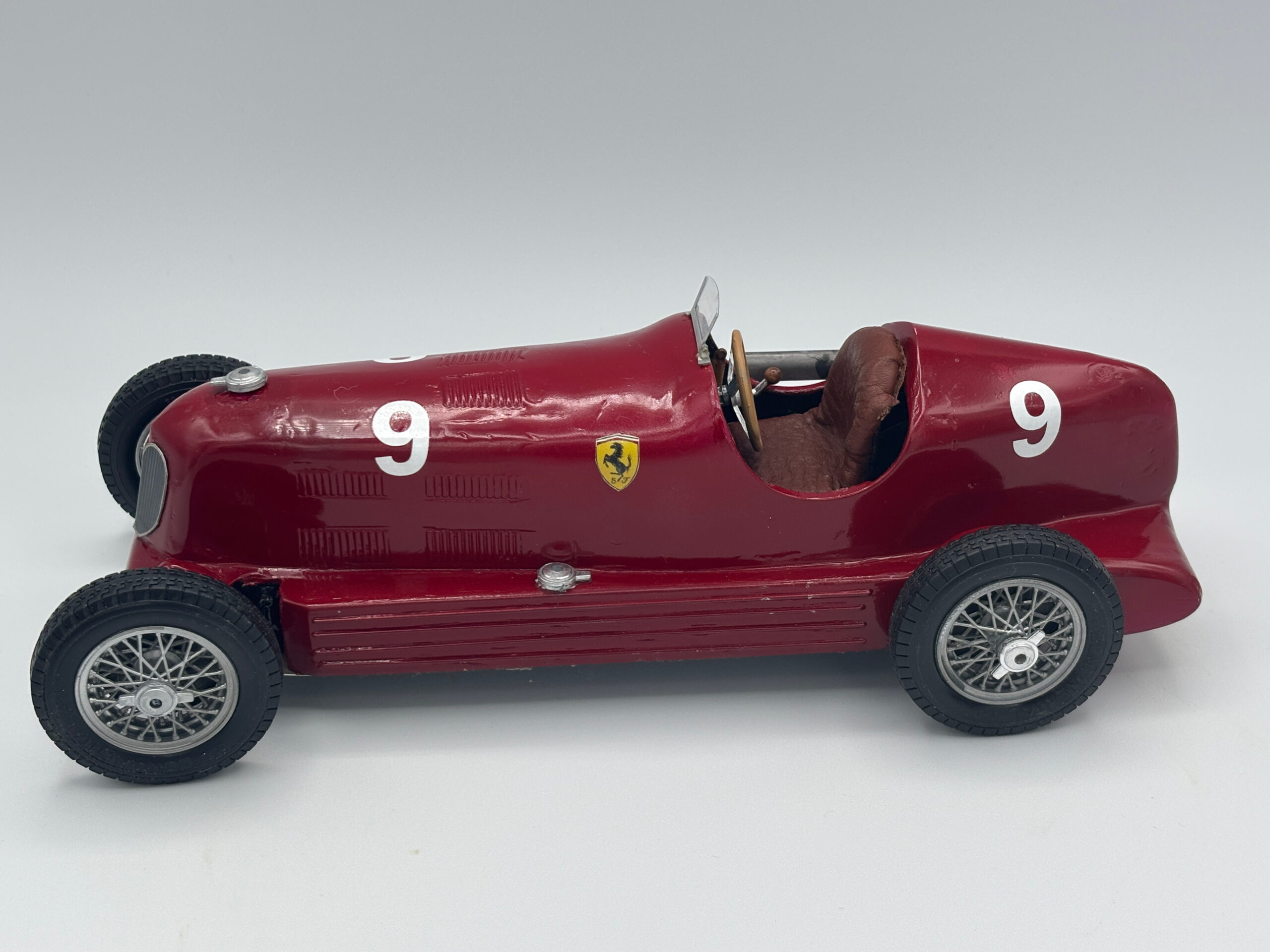
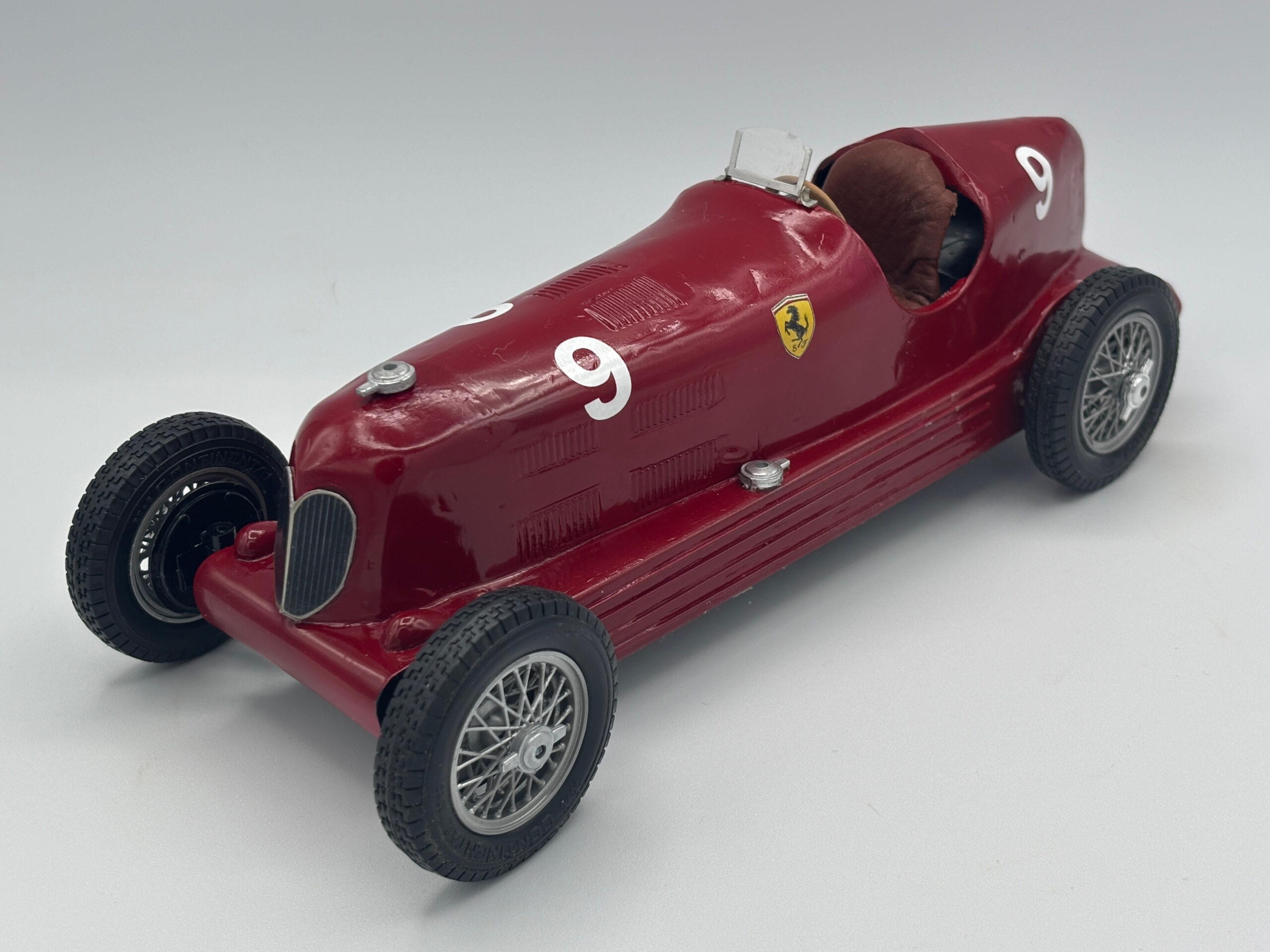
The Bimotore was developed by Scuderia Ferrari under engineer Luigi Bazzi, using a modified Tipo B/P3 chassis with one supercharged straight-eight ahead of the driver and another behind him. Together the two engines displaced roughly 6.3 litres and drove the rear wheels through a combined transmission. The layout produced exceptional power but also created considerable mass, thirst and tyre stress, drawbacks magnified by AVUS’s sustained speeds.
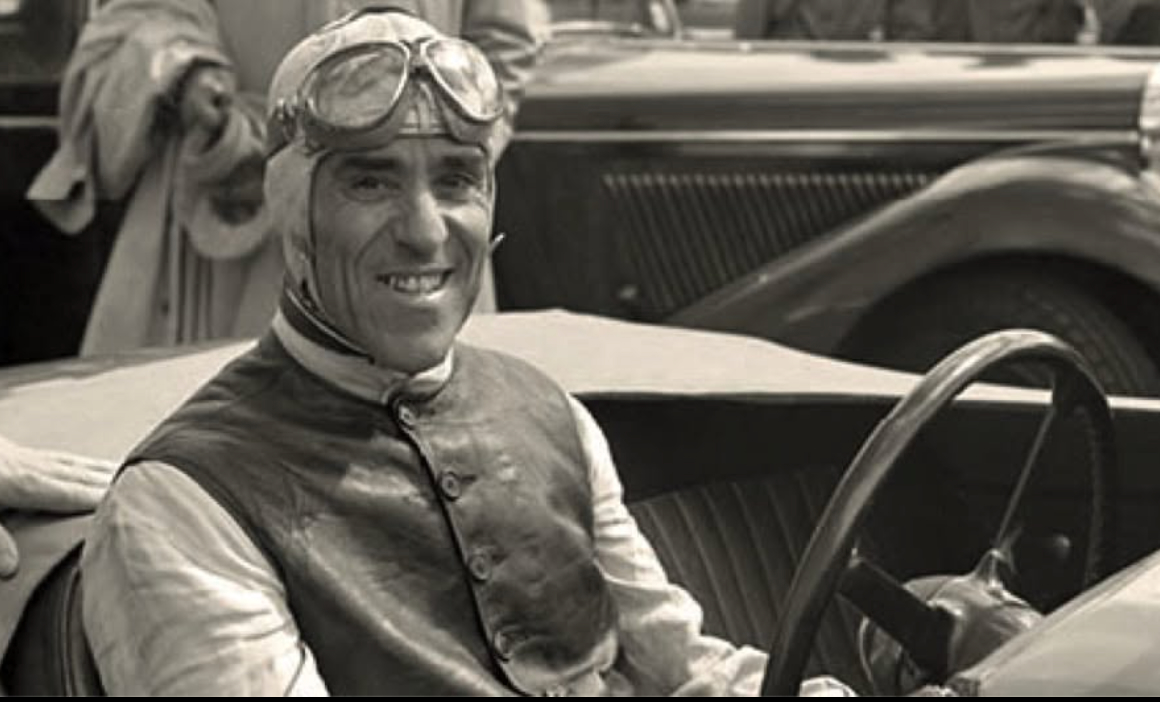
Tazio Nuvolari was an Italian from Mantua who had become a leading motorcycle racer before establishing himself among Europe’s foremost racing drivers. He returned to Scuderia Ferrari in 1935 and was entrusted with its most demanding machinery. His willingness to exploit the Bimotore’s performance while coping with its compromises made him the natural driver for the experiment, even though AVUS demonstrated that raw power alone could not guarantee success.
| Brand | Burago |
| FPR # | M |