
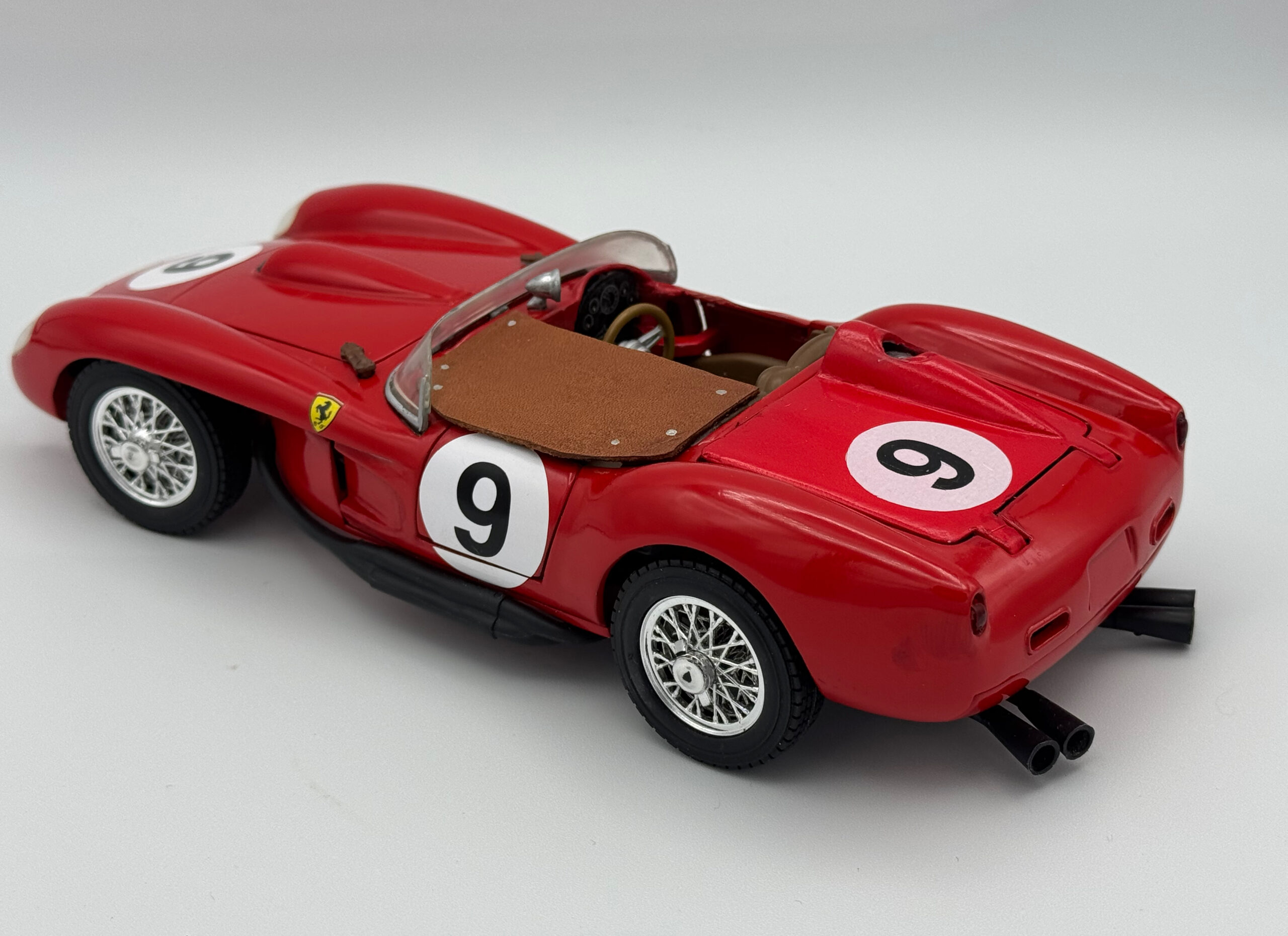
STORY OF THE DAY: The Testa Rossa’s Le Mans Promise Is Deferred
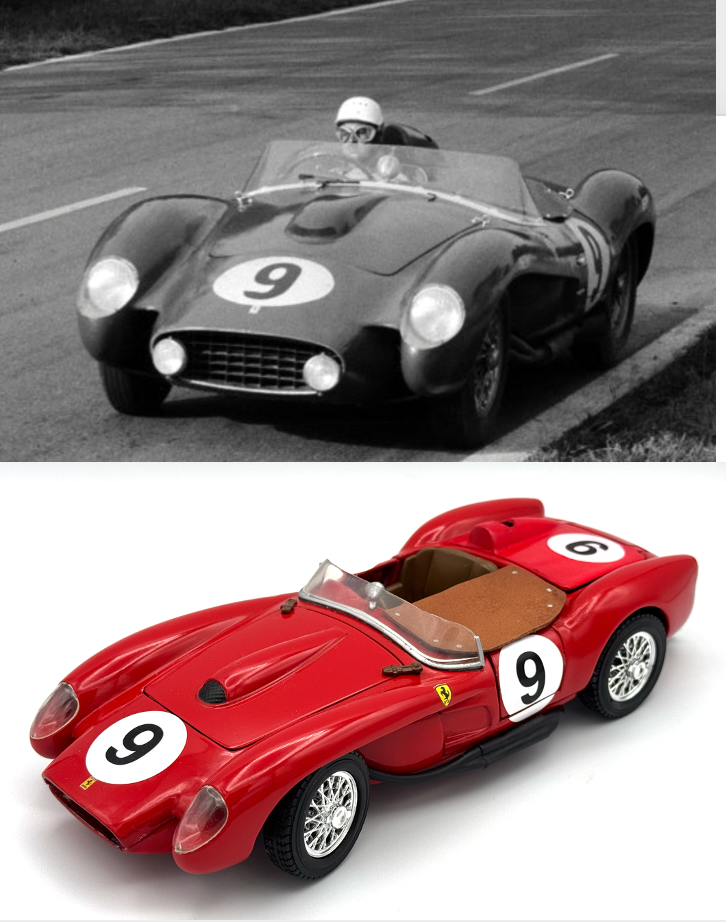
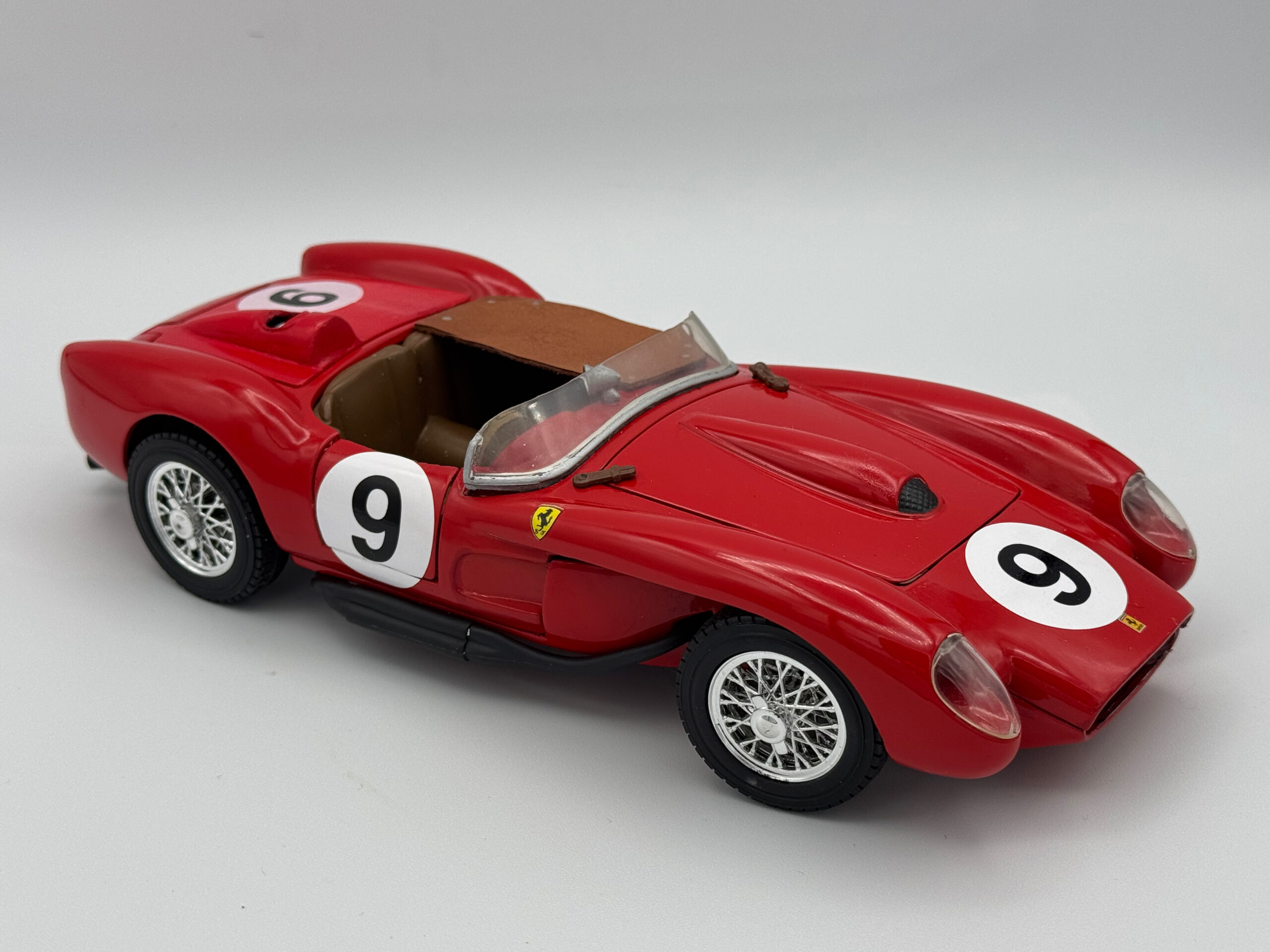
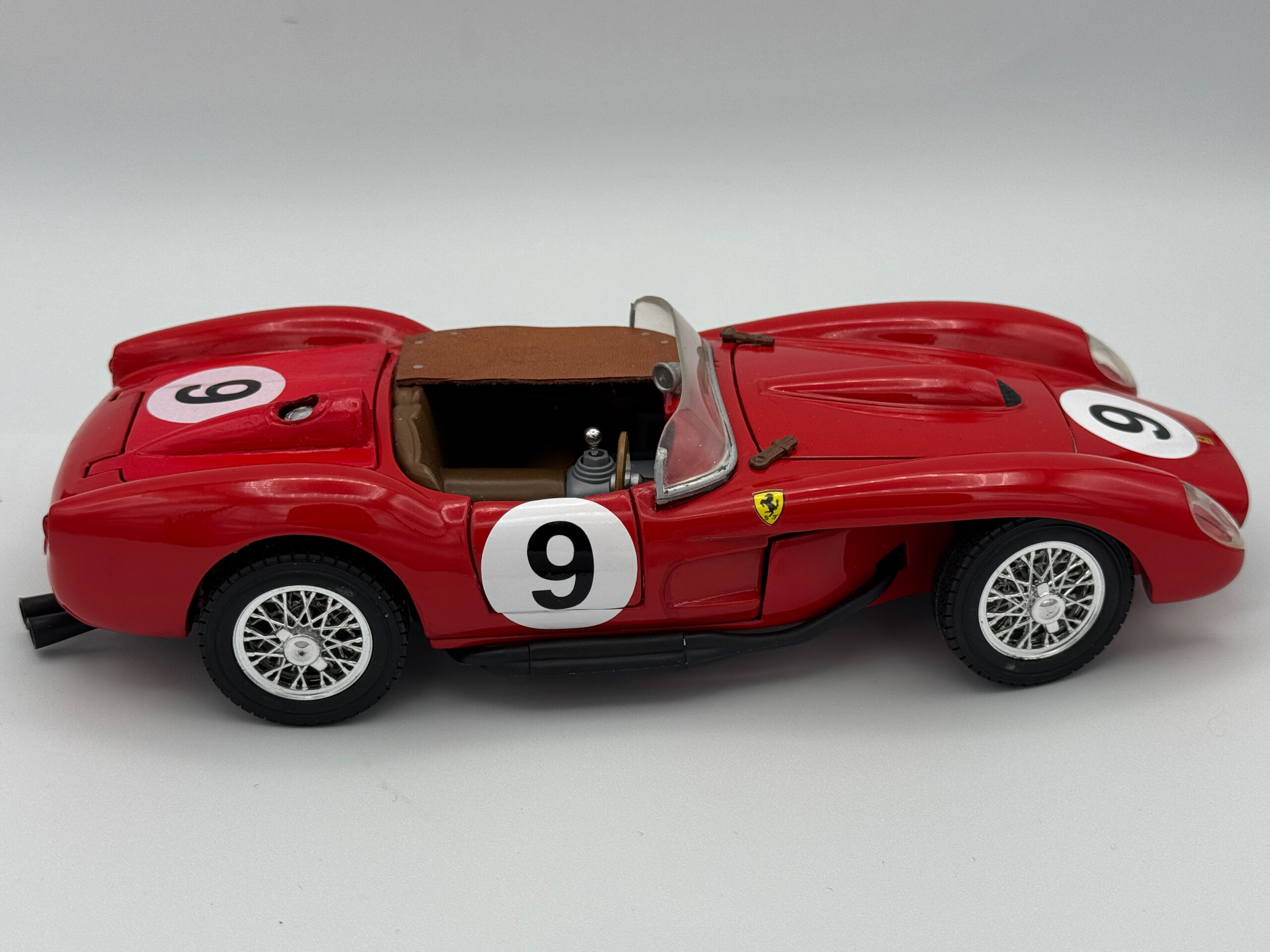
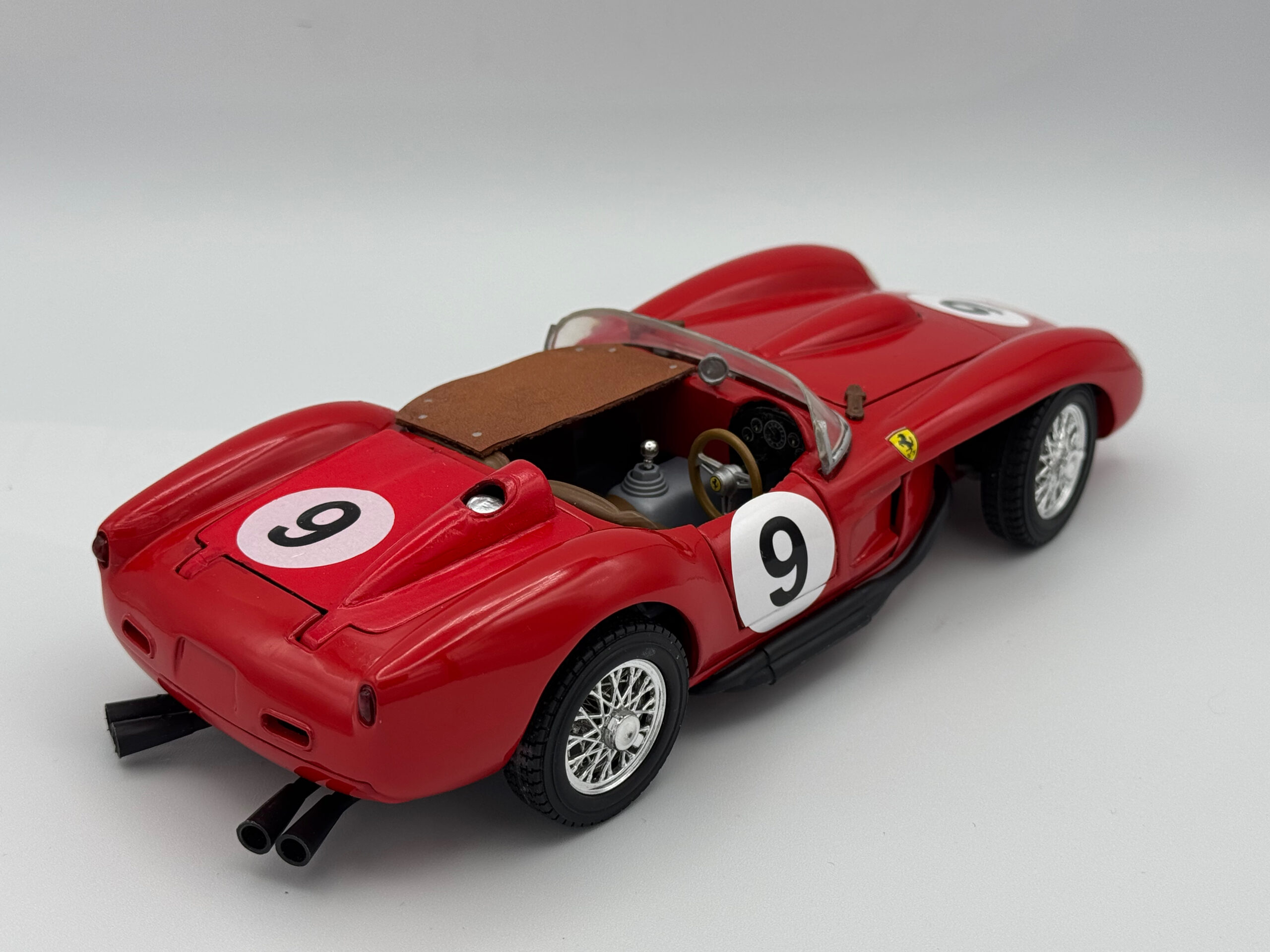
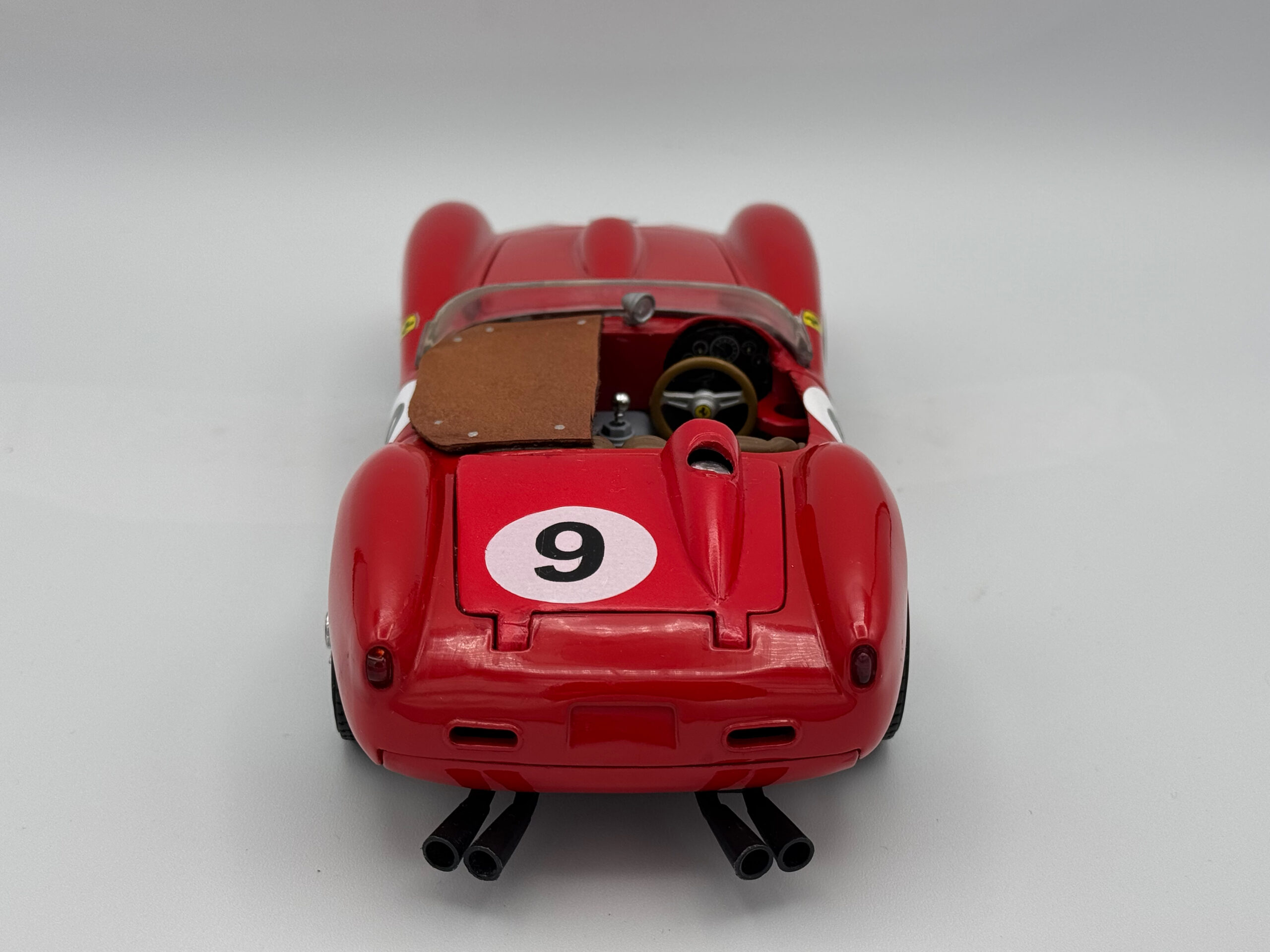
Olivier Gendebien and Maurice Trintignant shared the number 9 Ferrari 250 Testa Rossa at the 1957 24 Hours of Le Mans. Their car retired and did not interrupt Jaguar’s sweep of the leading four positions. The result was disappointing for a model whose fundamental qualities would soon make it one of the defining endurance Ferraris.
The smaller three-litre Testa Rossa offered a different strategy from Ferrari’s immensely powerful 335 S entries: lower fuel consumption, manageable performance and reduced mechanical strain. At Le Mans, however, that theoretical durability did not produce a finish for Gendebien and Trintignant. The failed first major attempt became development experience that Ferrari would apply decisively the following season.
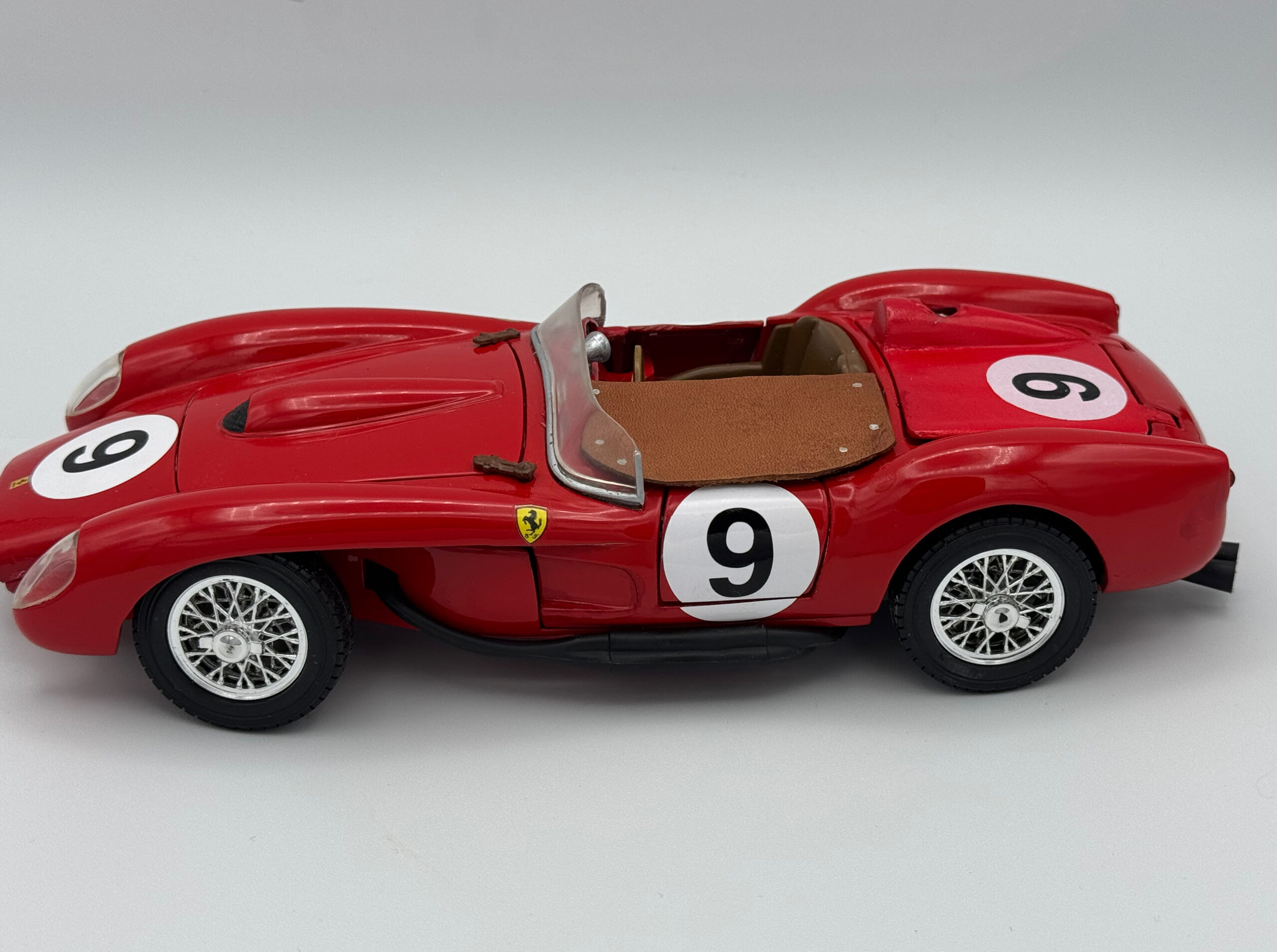
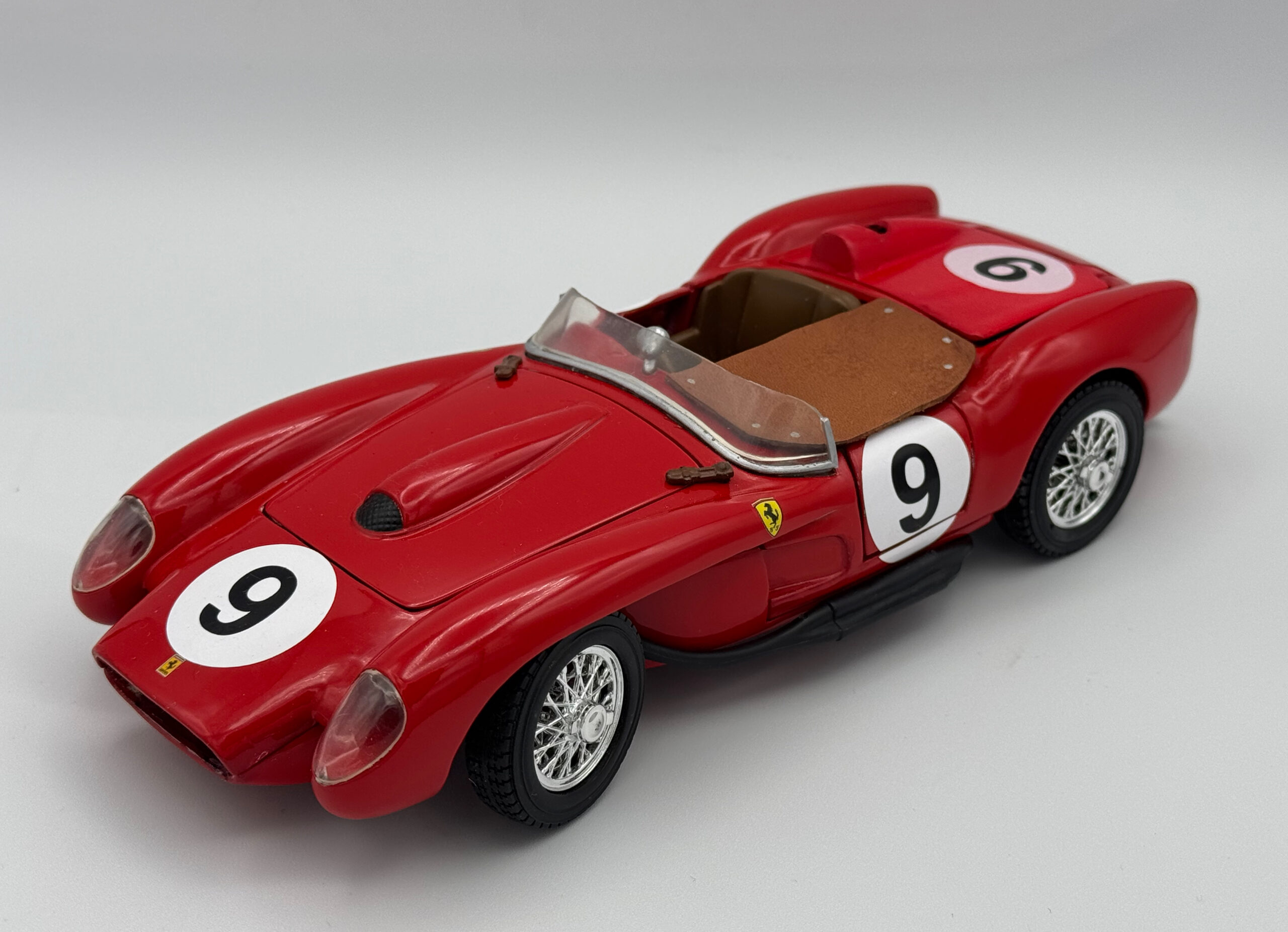
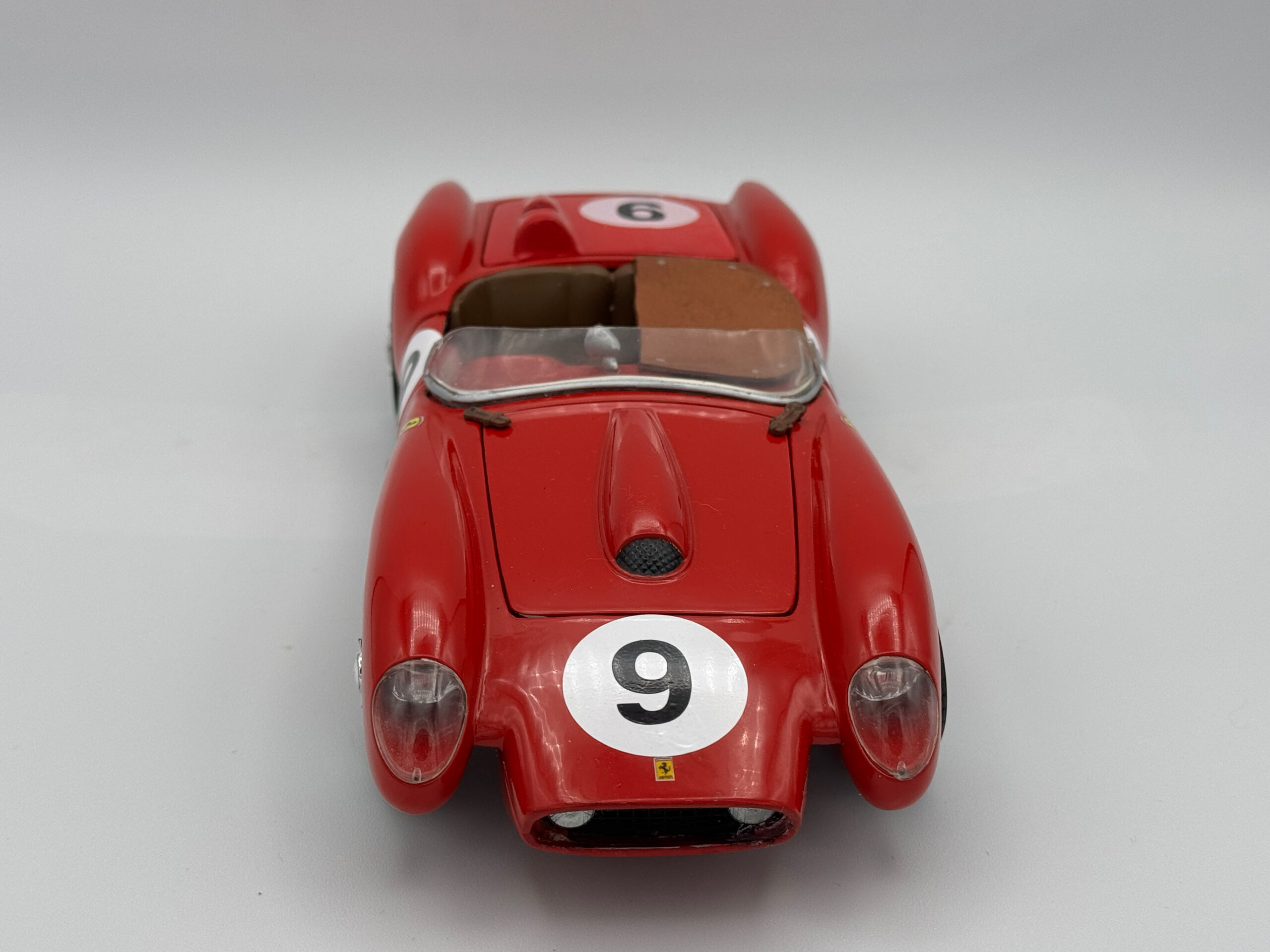
The 250 TR used a tubular chassis and Ferrari’s proven three-litre Colombo V12, identified by the red-painted cam covers that inspired the Testa Rossa name. Early cars wore distinctive open Scaglietti bodywork with separated pontoon-like front fenders. Lower mass and moderate capacity suited endurance regulations and placed less demand on tyres and brakes than the 335 S.
Gendebien was Belgian, precise and mechanically sympathetic, while Trintignant was a seasoned French Grand Prix and endurance winner. Both had already produced major Ferrari results, including Trintignant’s 1954 Le Mans victory and their shared third place in 1956. Their retirement delayed rather than diminished their Testa Rossa connection: Gendebien would soon become central to the model’s greatest victories.
| Brand | Hot Wheels |
| FPR # | M |