
STORY OF THE DAY: The DB5 Becomes Bond’s Defining Car
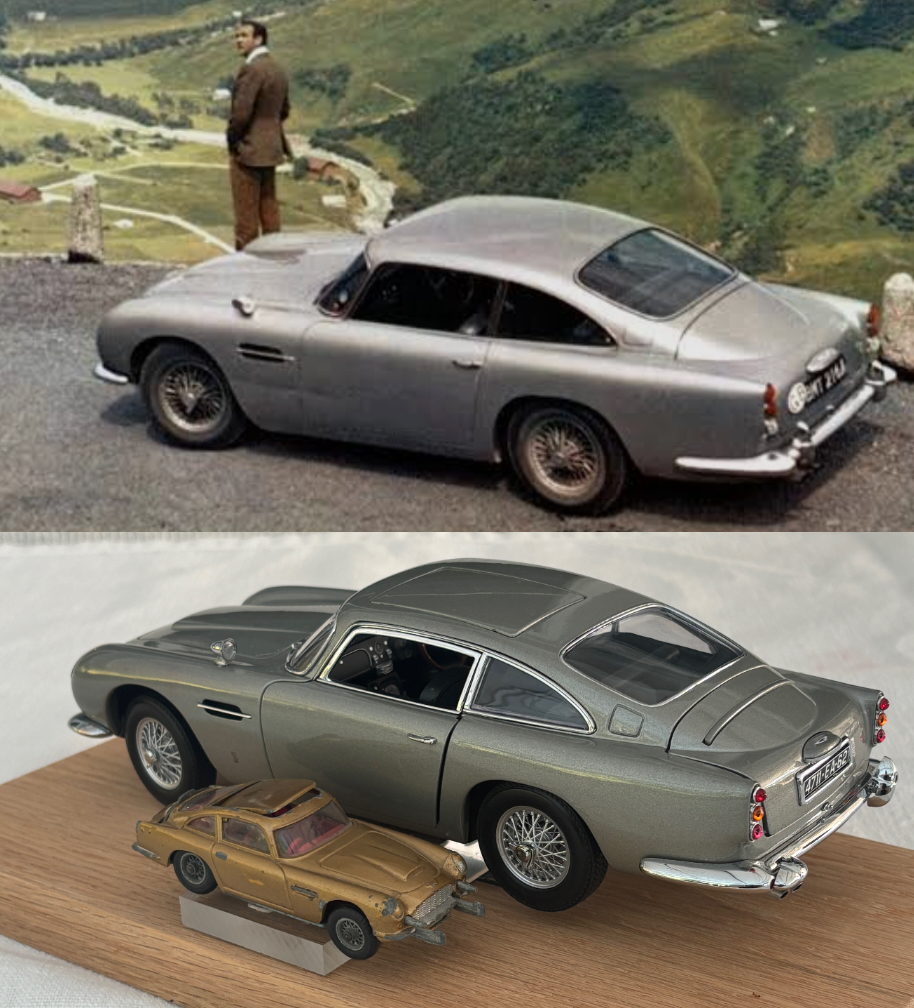
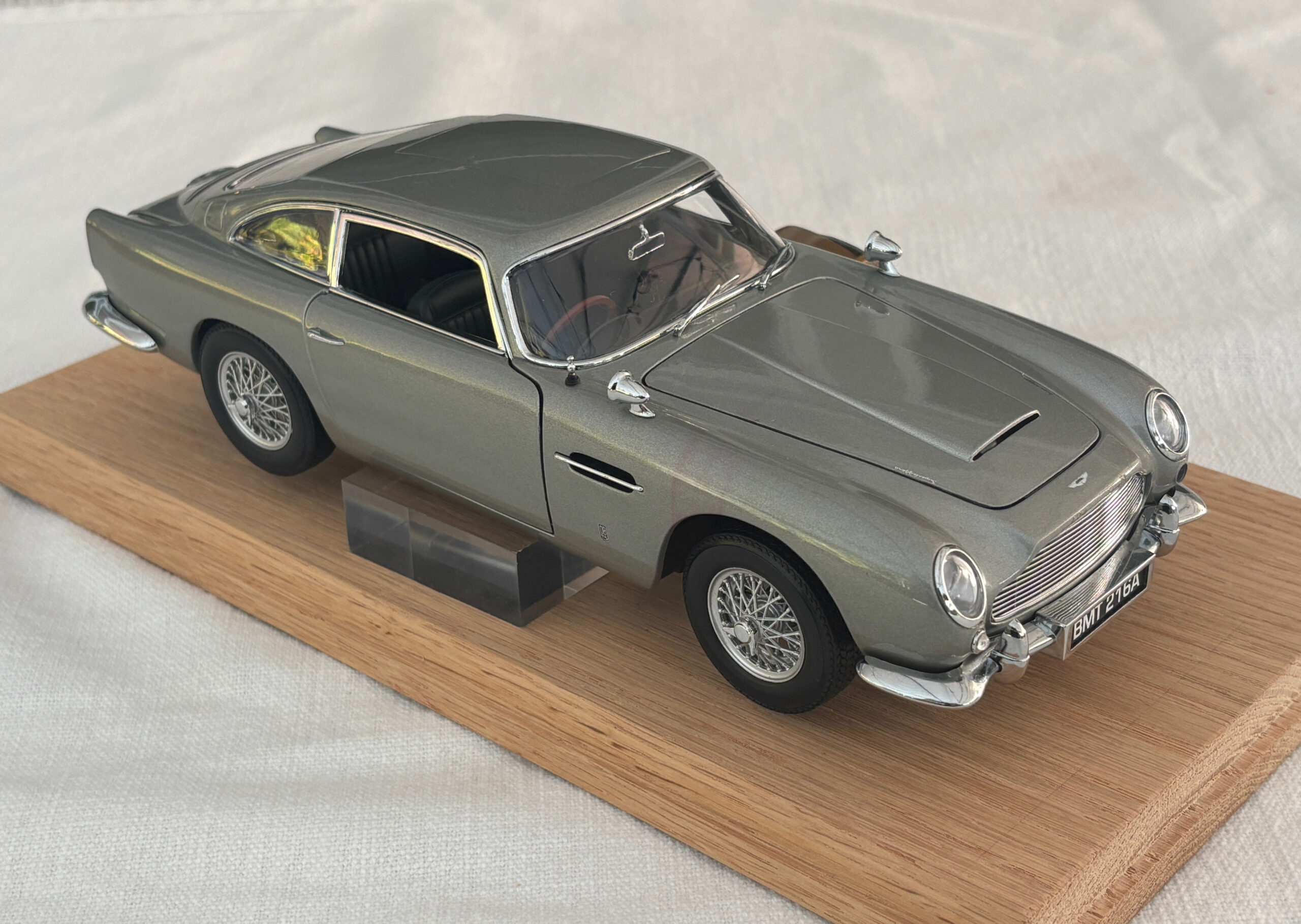
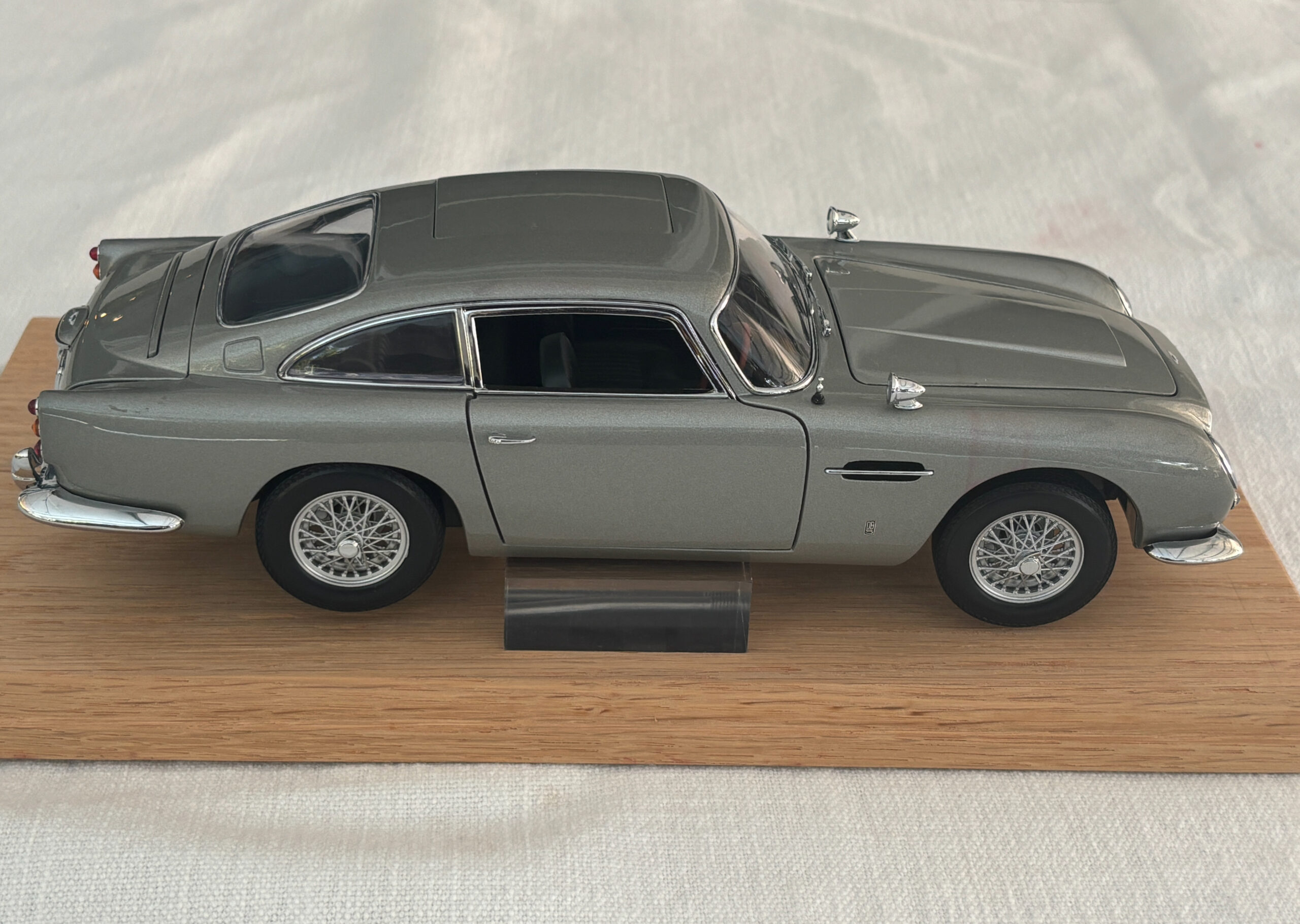
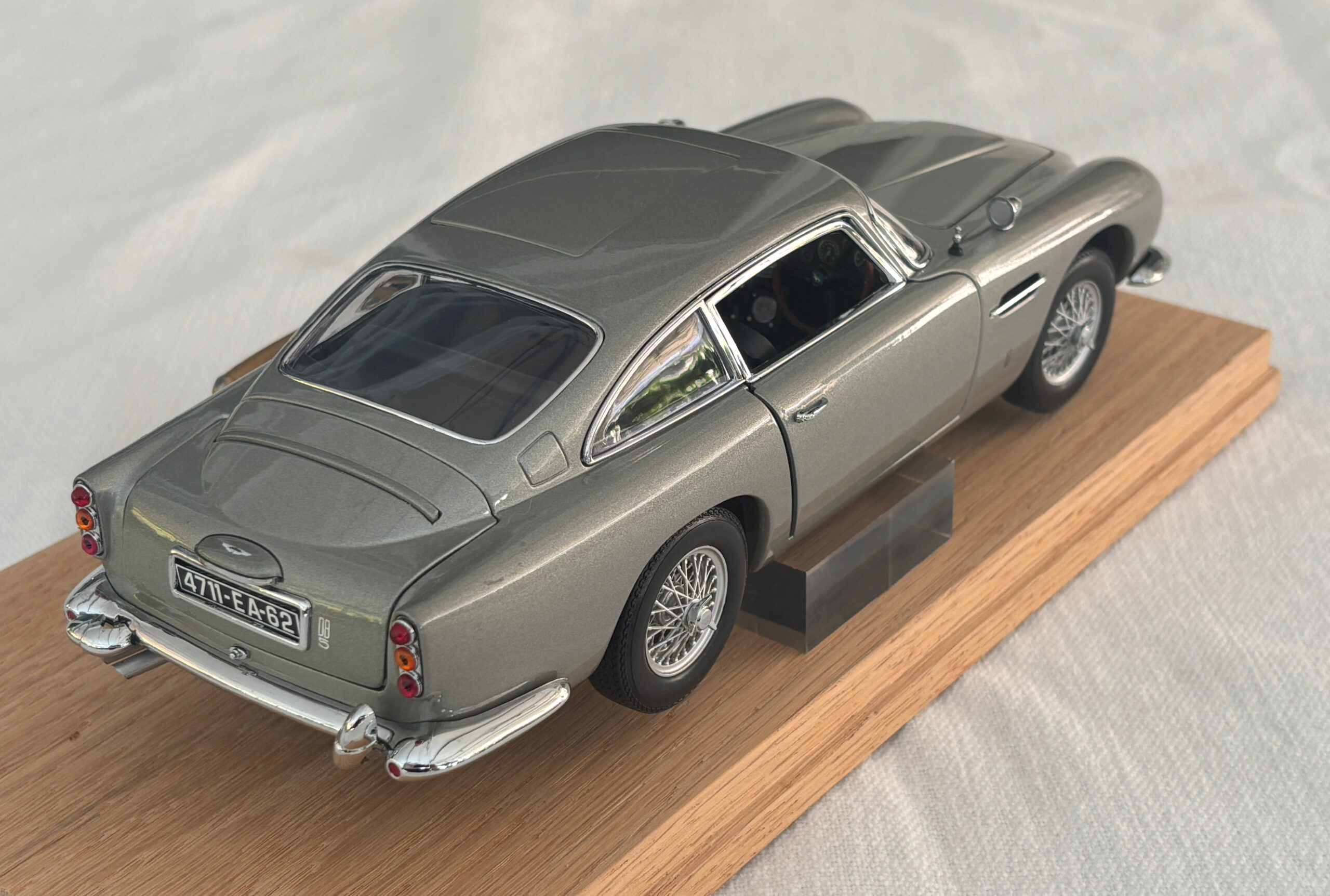
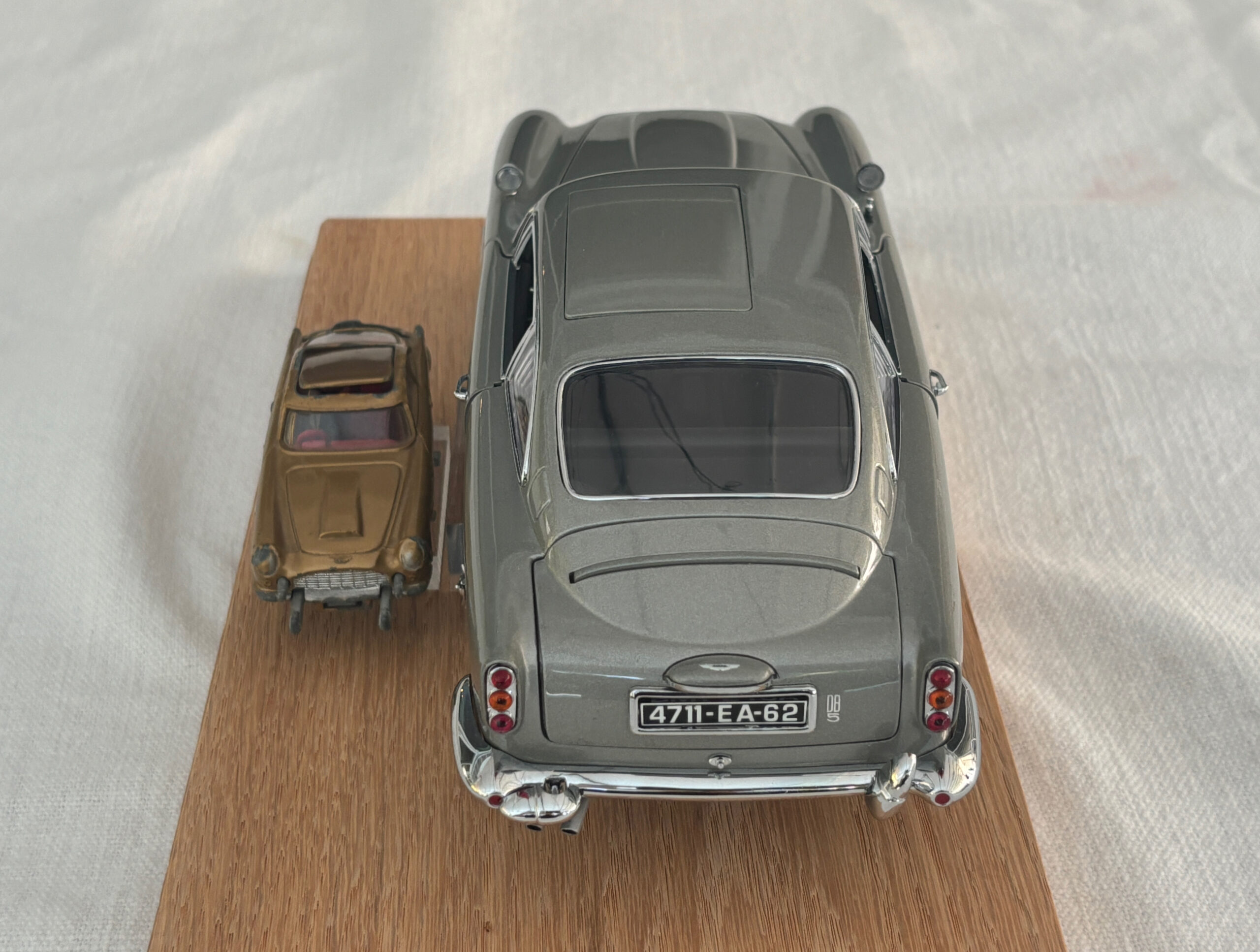
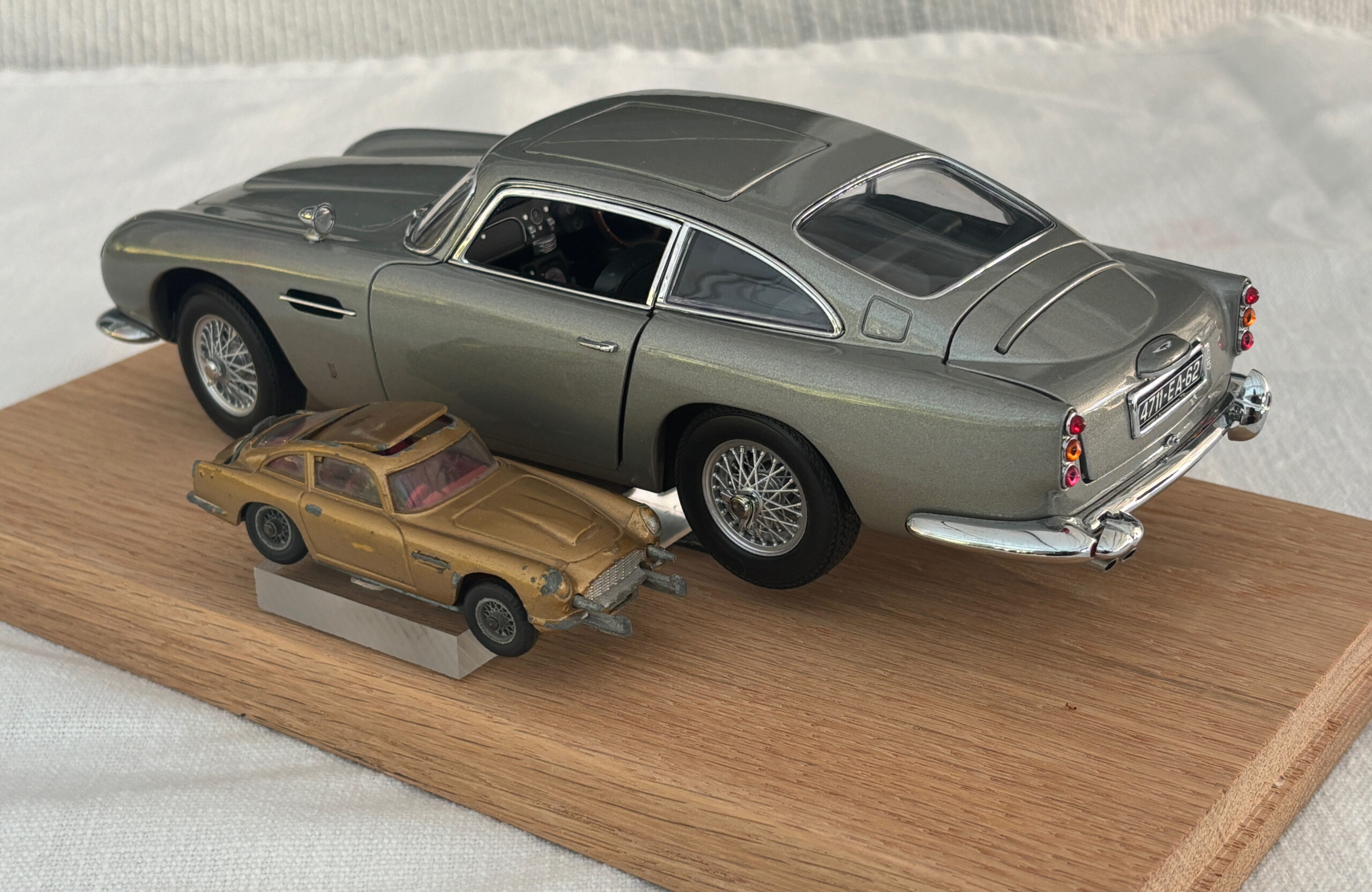
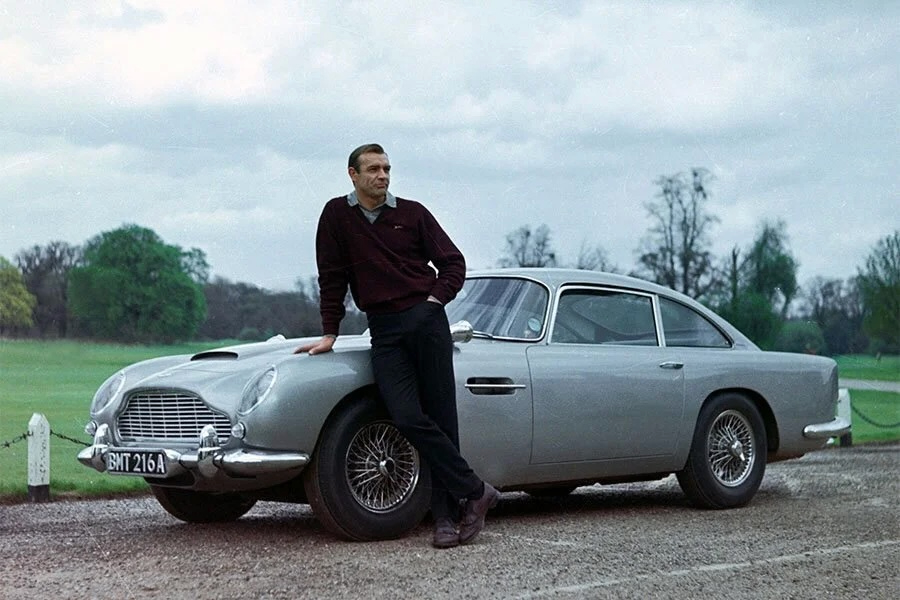
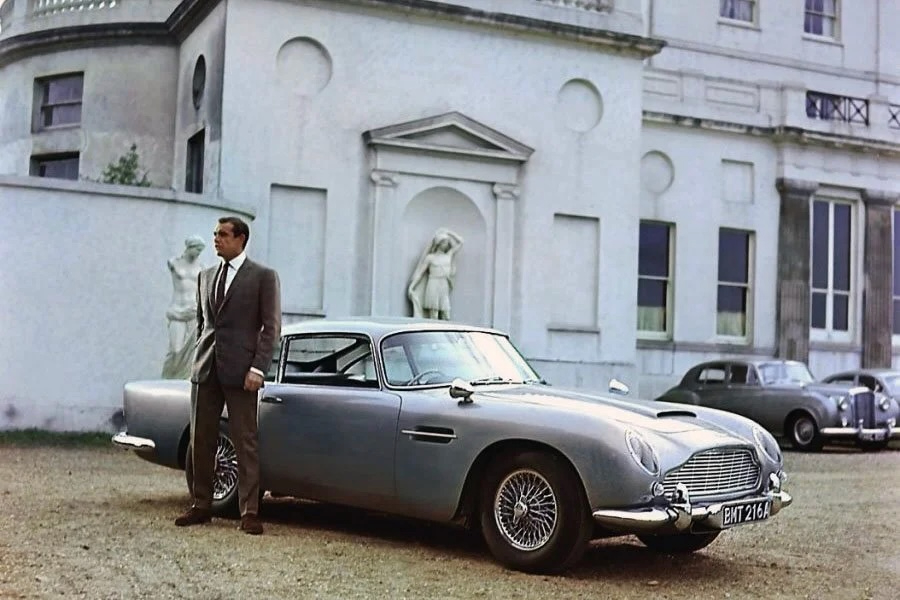
Introduced in 1963, the Aston Martin DB5 achieved lasting screen fame through its association with James Bond in Goldfinger. The film appeared in 1964, but the title correctly identifies the model by the year of its introduction. Driven on screen by Sean Connery’s Bond, the silver coupé became one of cinema’s most recognizable cars and established a connection between the character and Aston Martin that endured across later films.
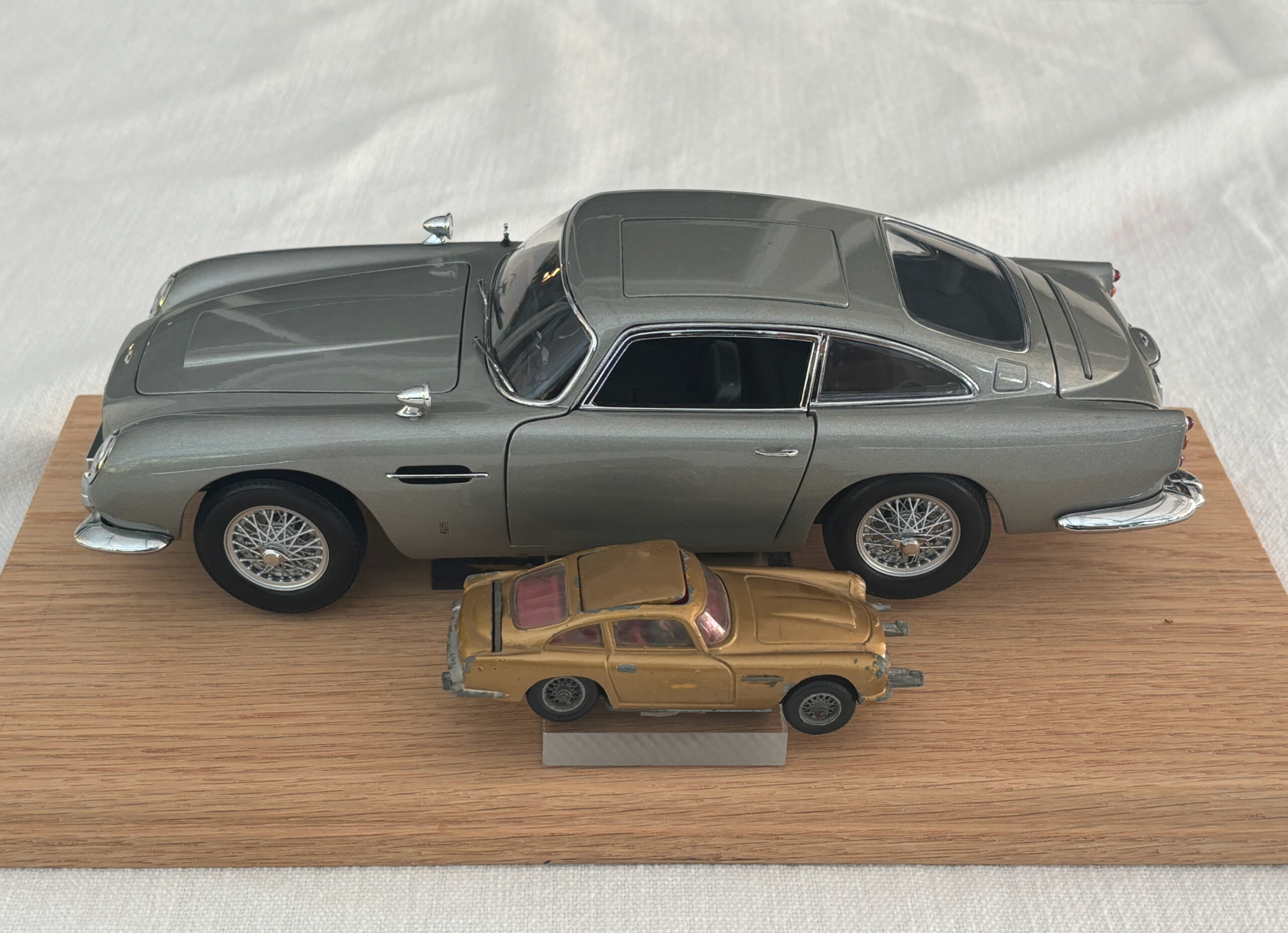
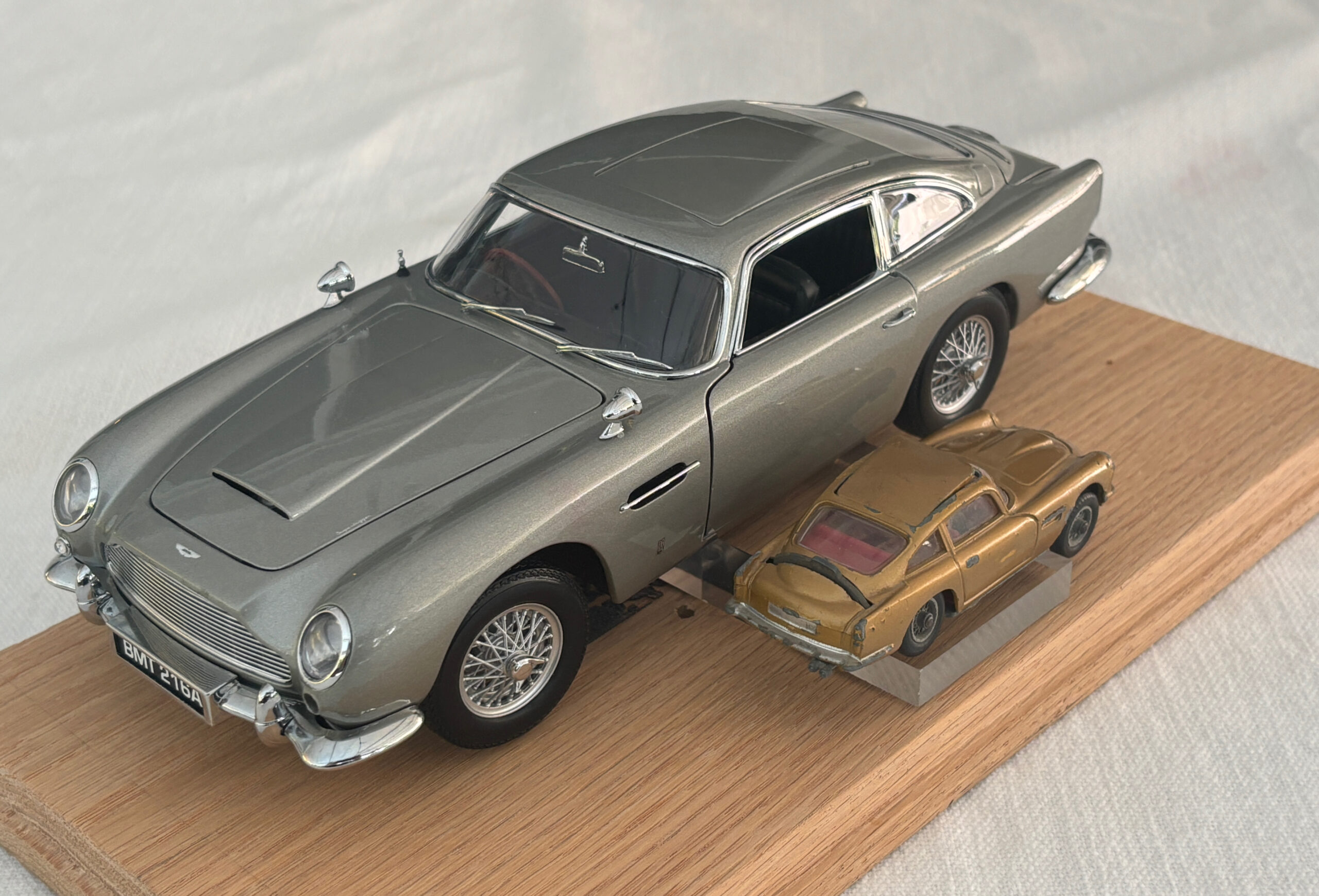
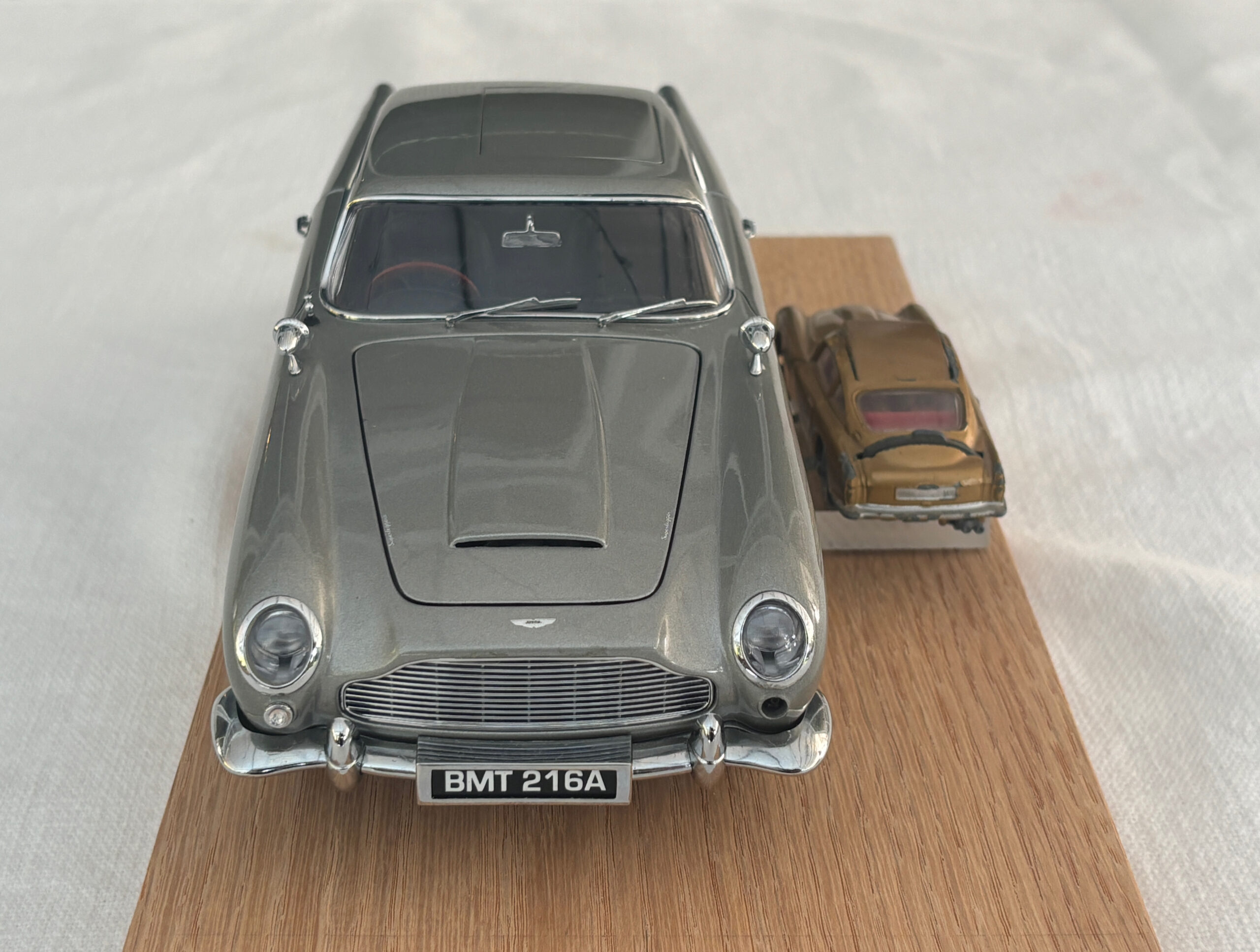
The distinctive element was the transformation of an elegant grand tourer into a purpose-built secret-service machine. The production car’s refined appearance was retained, while the fictional equipment included a revolving number-plate mechanism, concealed machine guns, defensive devices and a passenger ejector seat. This contrast between discreet styling and imaginative machinery made the DB5 central to the film rather than merely a means of transport.
The DB5 used a steel platform chassis clothed in aluminium bodywork constructed by Touring’s Superleggera method. Its 4.0-litre twin-cam straight-six engine drove the rear wheels, while the enlarged engine and other revisions developed the earlier DB4 concept into a faster and more accomplished grand tourer. The film cars required additional modification to accommodate the special-effects equipment.
James Bond is the fictional British intelligence officer created by author Ian Fleming and identified by the code number 007. Sean Connery had introduced his screen interpretation of Bond in Dr. No and continued the role in Goldfinger. The DB5 complemented that portrayal particularly well: outwardly composed and sophisticated, yet equipped for danger, it became an enduring visual shorthand for the cinematic character.
| Brand | AutoArt |
| FPR # | — |