
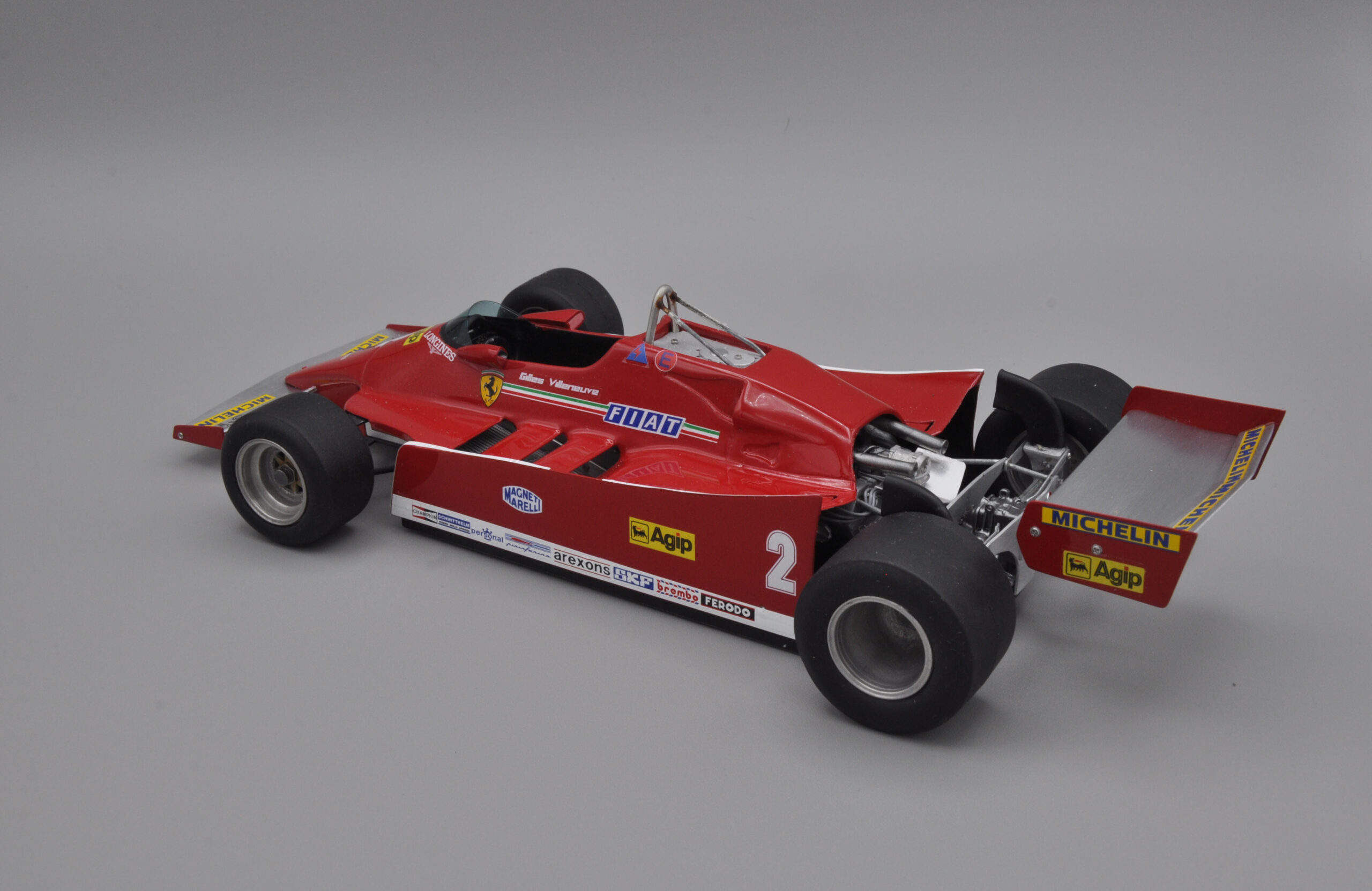
STORY OF THE DAY: Ferrari Begins Its Turbocharged Future
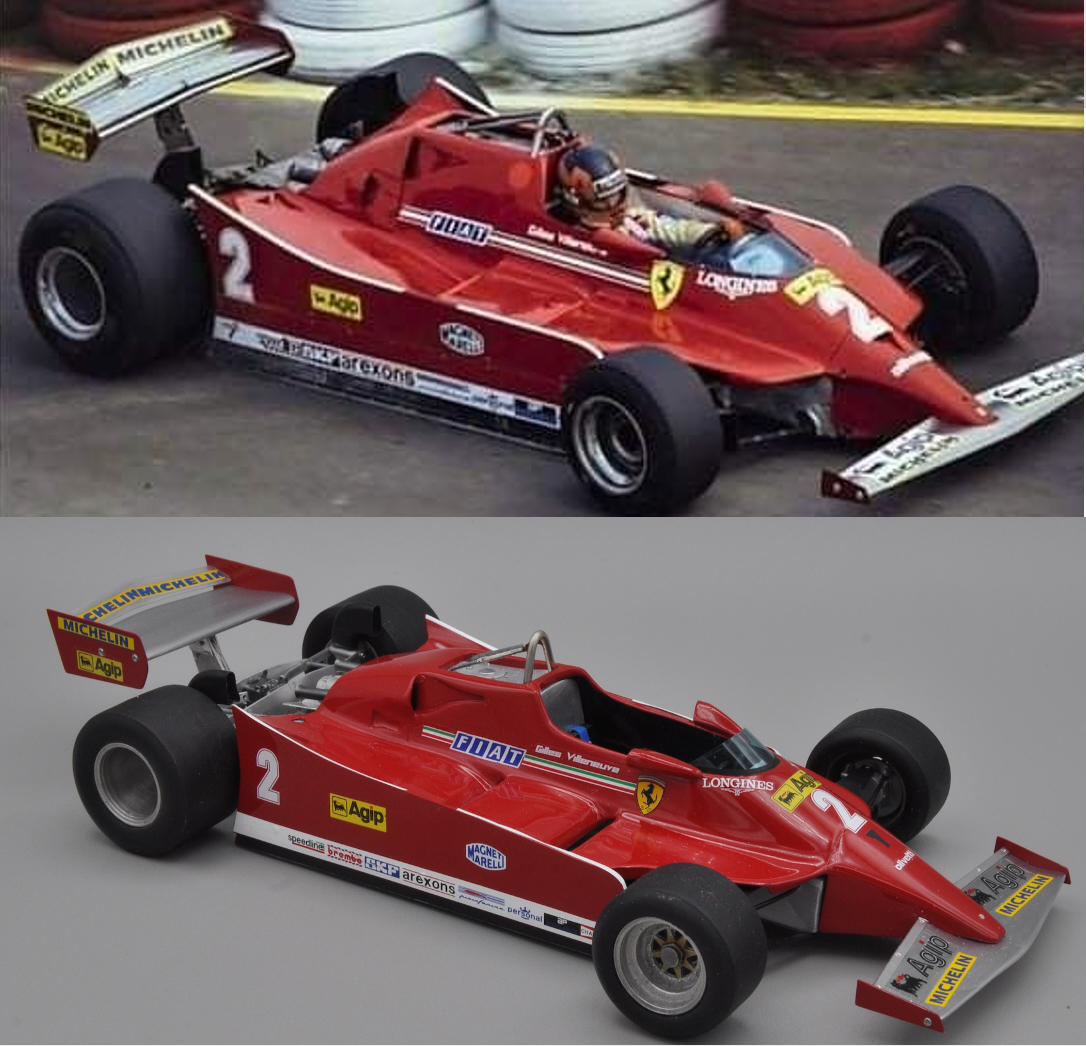
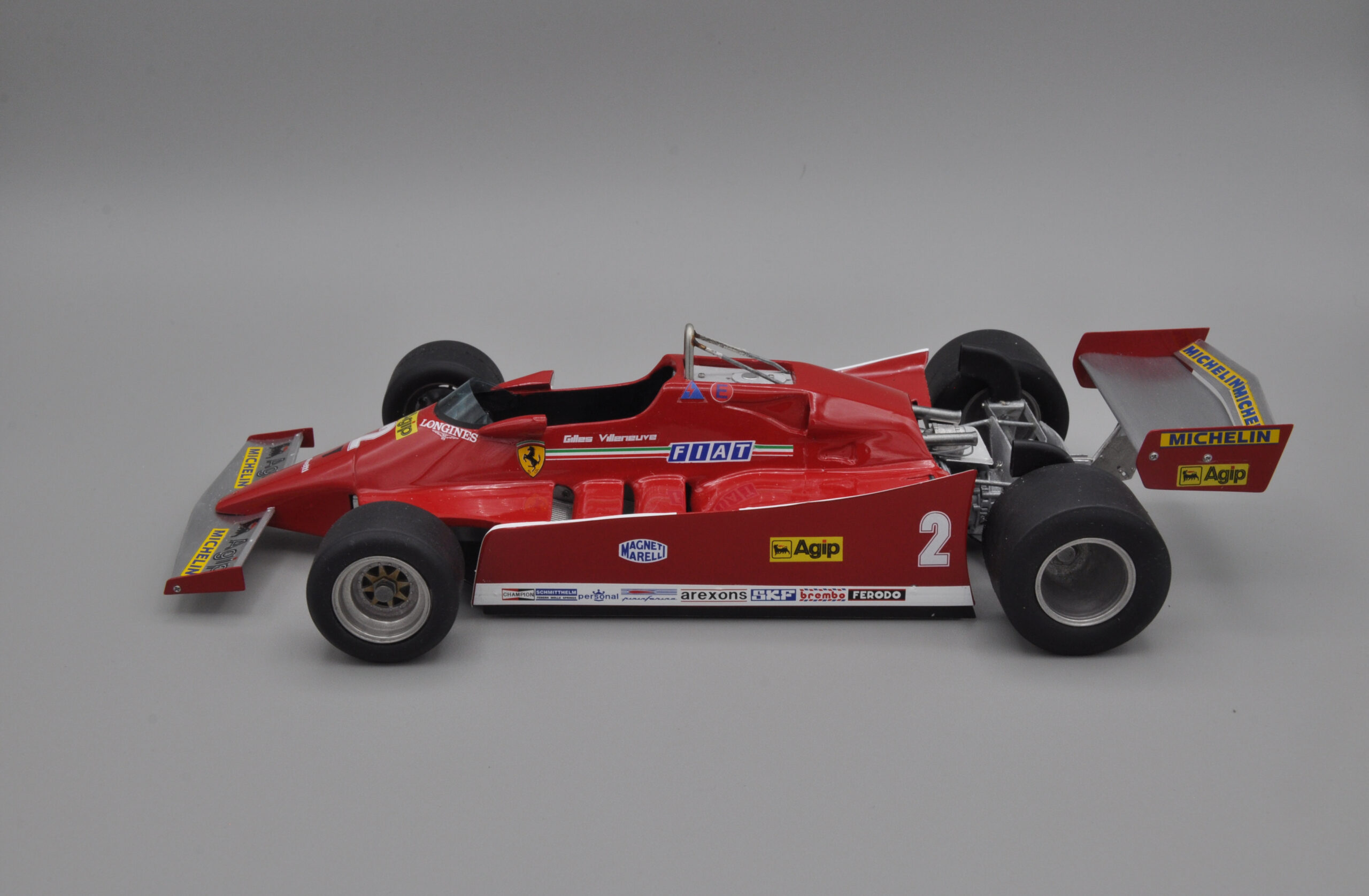
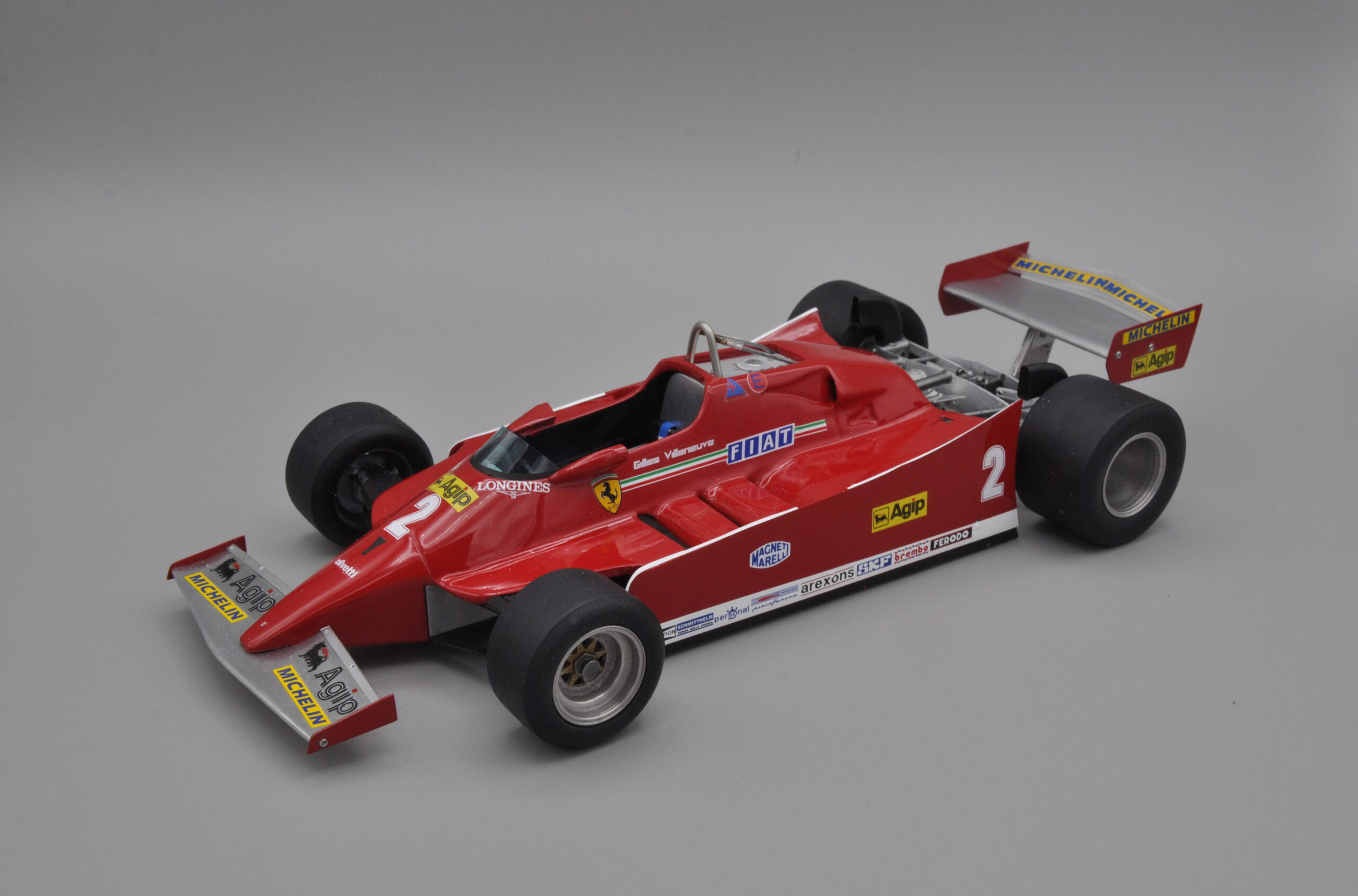
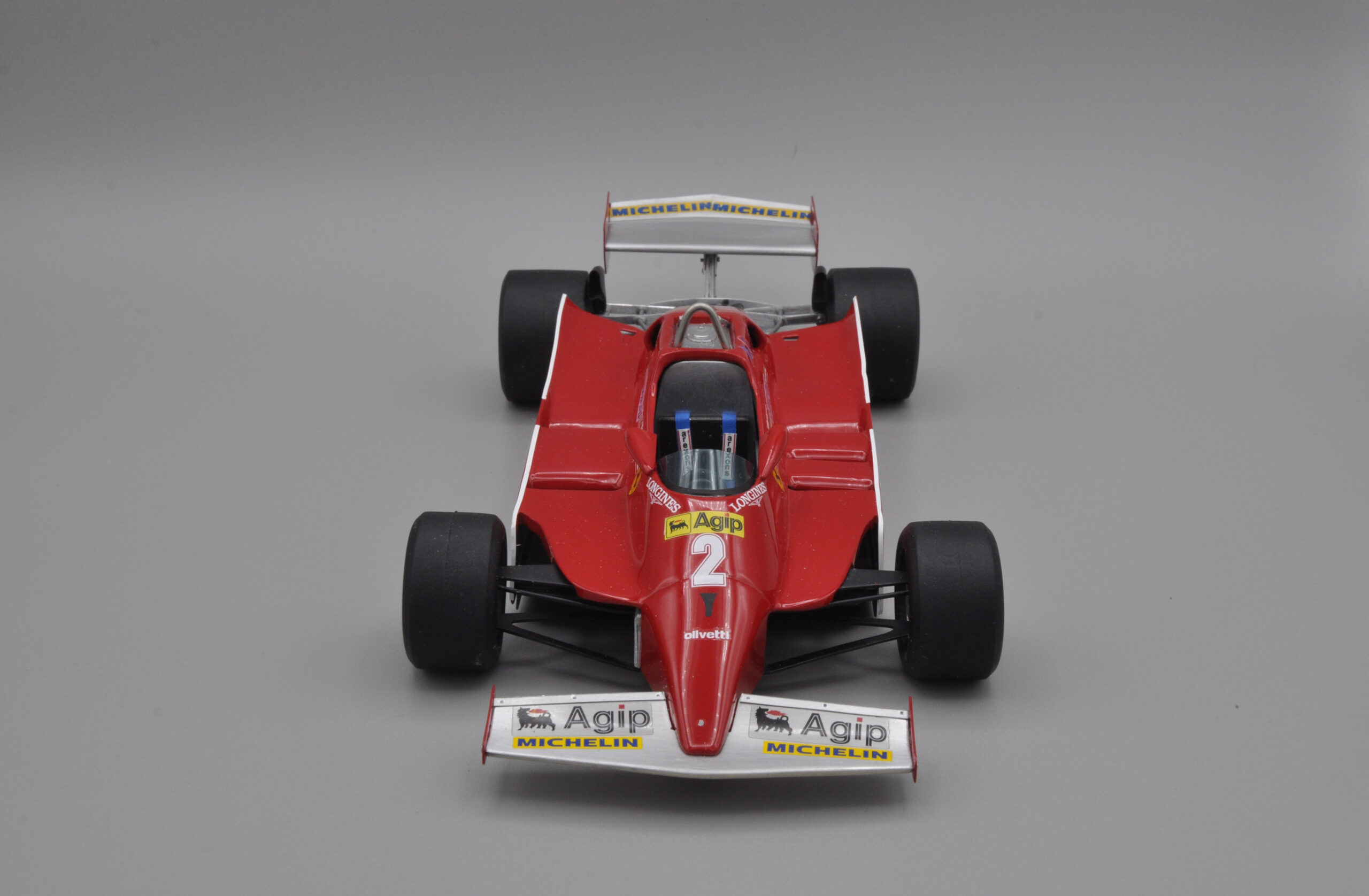
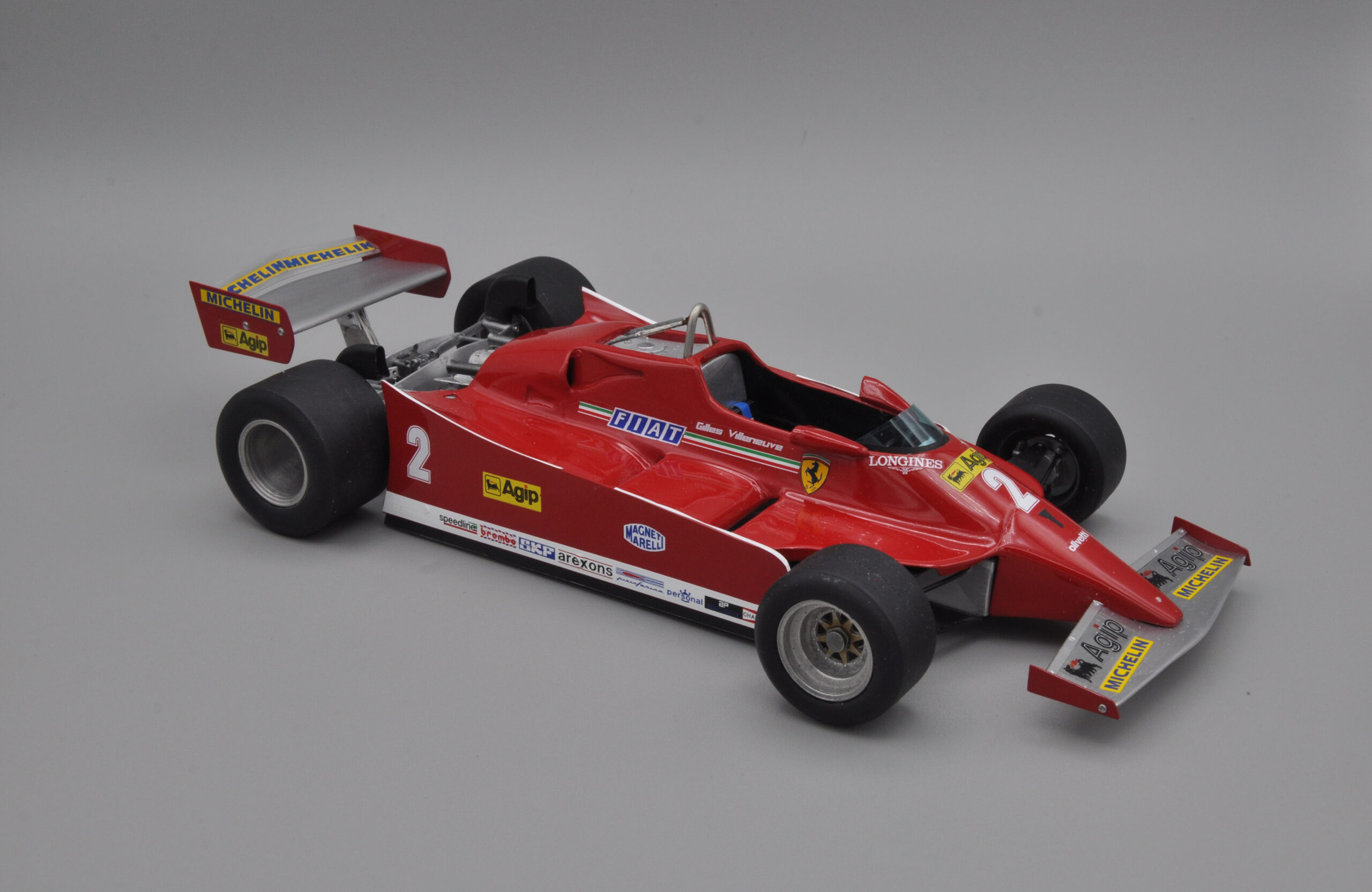
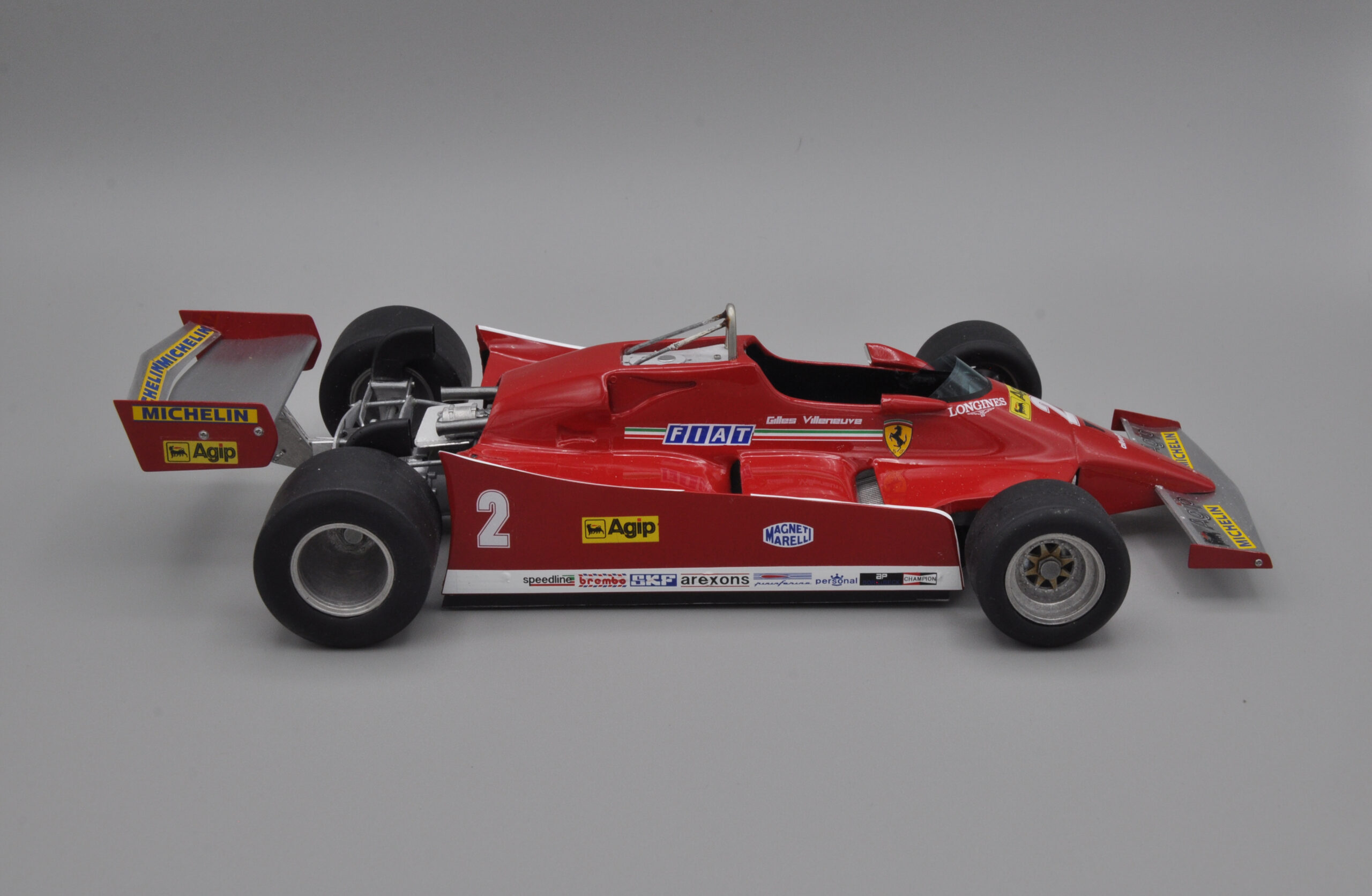
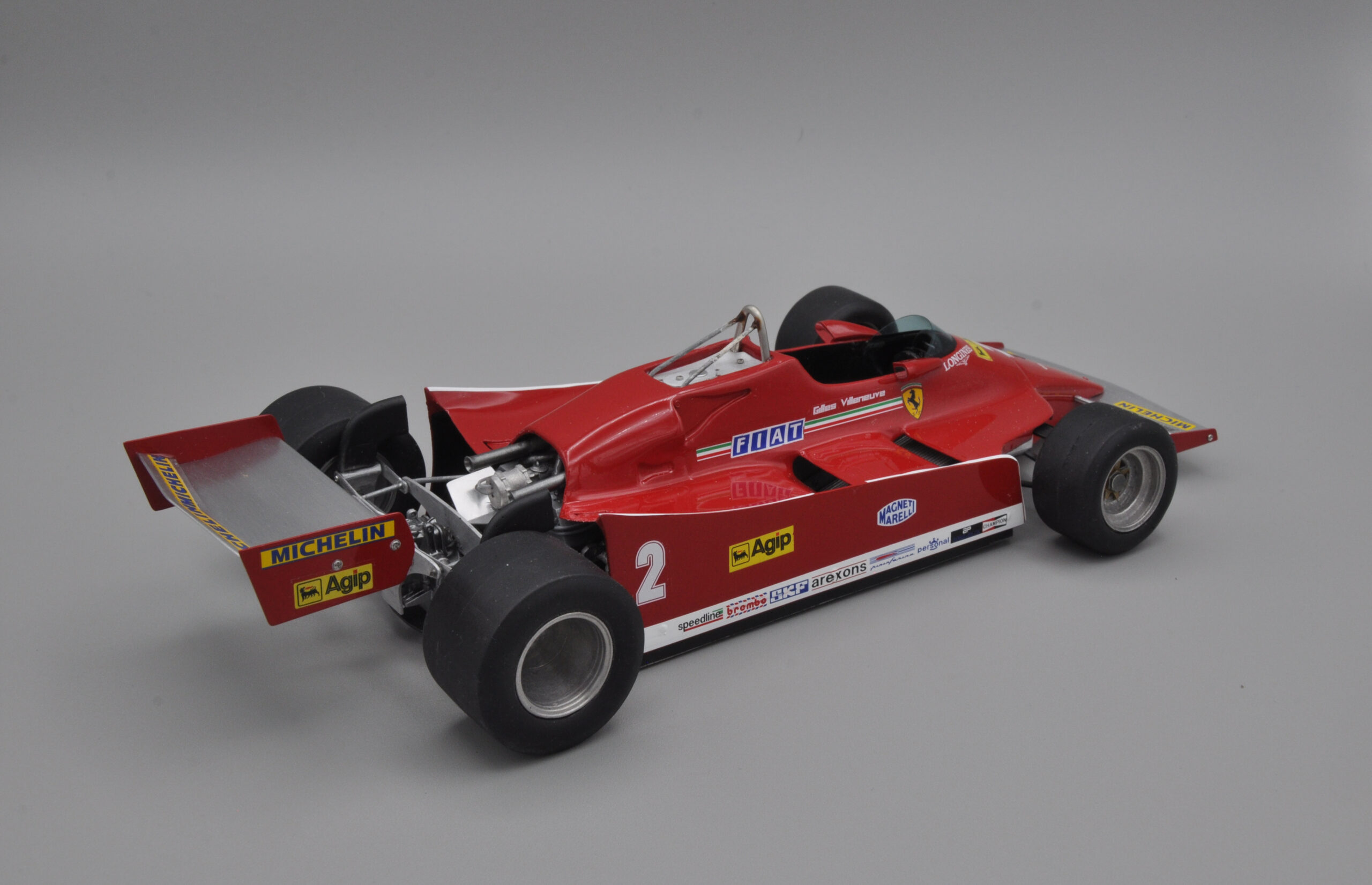
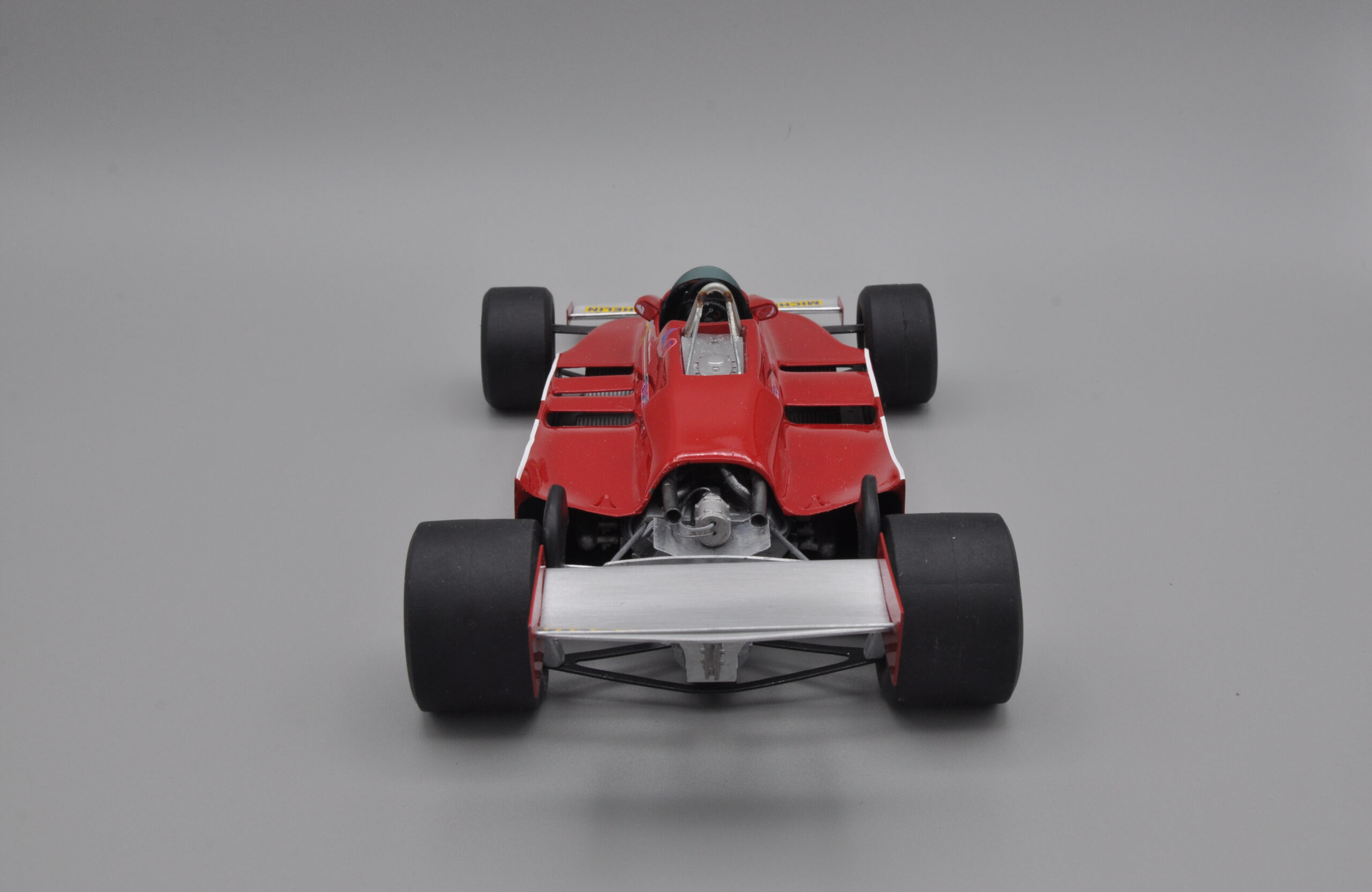
On 5 September 1980, Gilles Villeneuve tested Ferrari 126 C number 2 at Imola. The session was developmental rather than competitive, but it represented a decisive change in direction as Ferrari prepared to replace the long-serving flat-12 312 T family with a compact turbocharged Formula One design.
Ferrari evaluated forced-induction alternatives during the programme, including pressure-wave supercharging and conventional exhaust-driven turbochargers. The turbo route offered greater development potential, although Villeneuve recognized that the prototype’s speed was accompanied by difficult handling and abrupt power delivery.
The 126 C centred on a 1.5-litre V6 engine, a much narrower unit than Ferrari’s three-litre flat-12. Its compact dimensions allowed improved airflow beneath the chassis for ground-effect aerodynamics. The early car provided the foundation for the twin-turbo 126 CK raced during 1981.
Canadian Villeneuve joined Ferrari in 1977 and became renowned for extraordinary car control, commitment and loyalty to the team. Those qualities made him an important development driver when the Scuderia entered unfamiliar turbocharged territory. His Imola test helped begin the technical lineage that would bring Ferrari successive Constructors’ Championships in 1982 and 1983.
| Brand | Mondial |
| FPR # | — |