
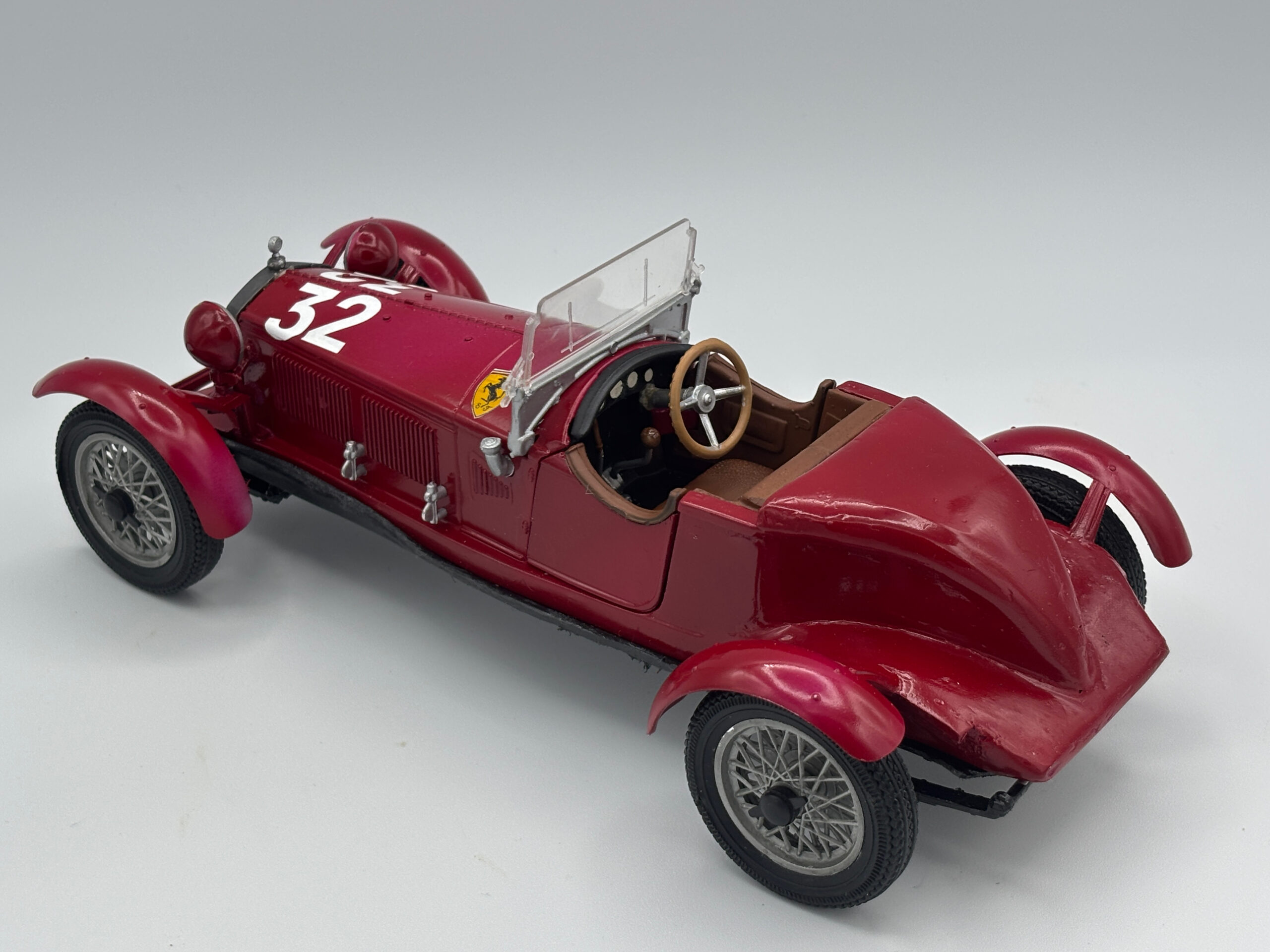
STORY OF THE DAY: Comotti’s Climb Ends Early
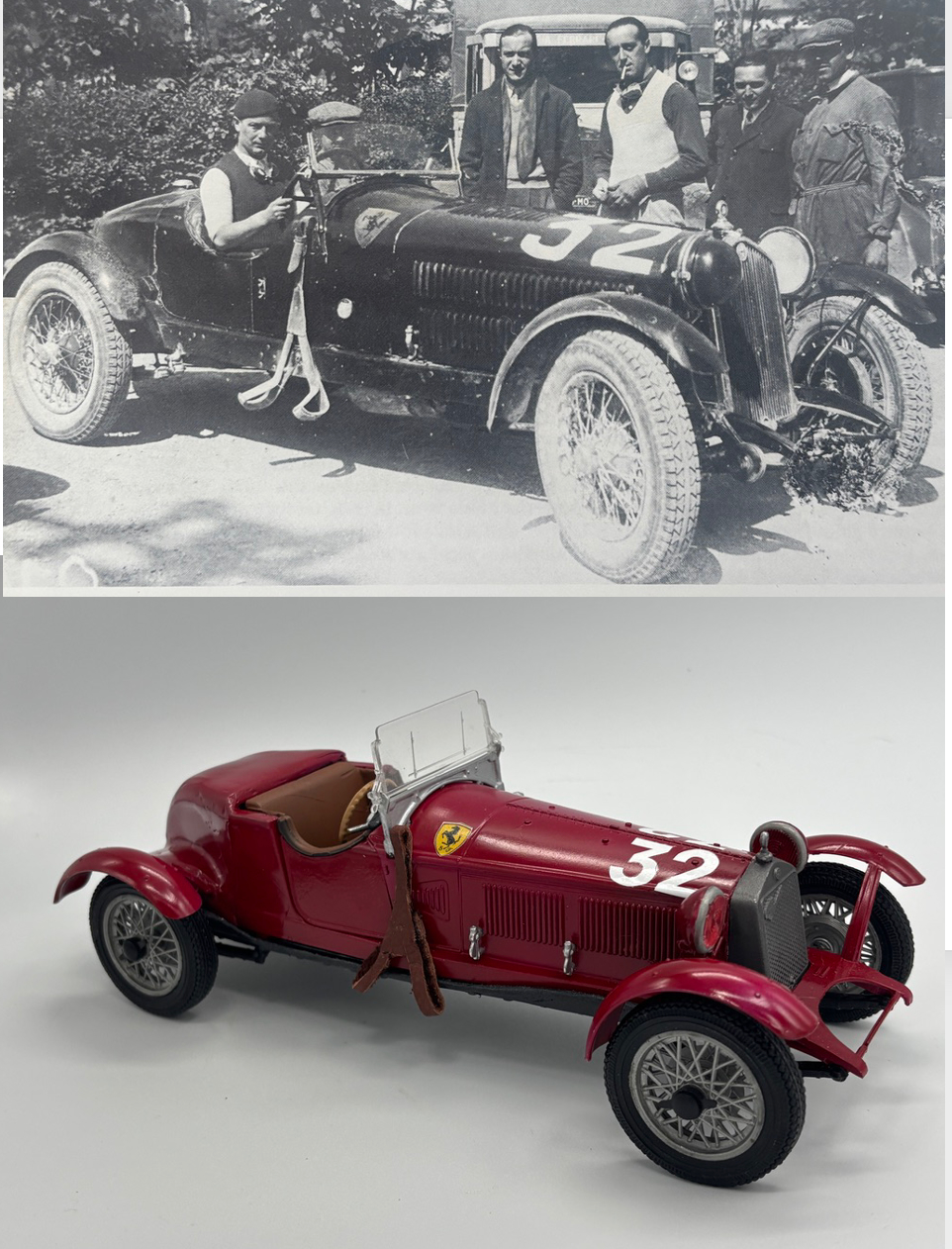
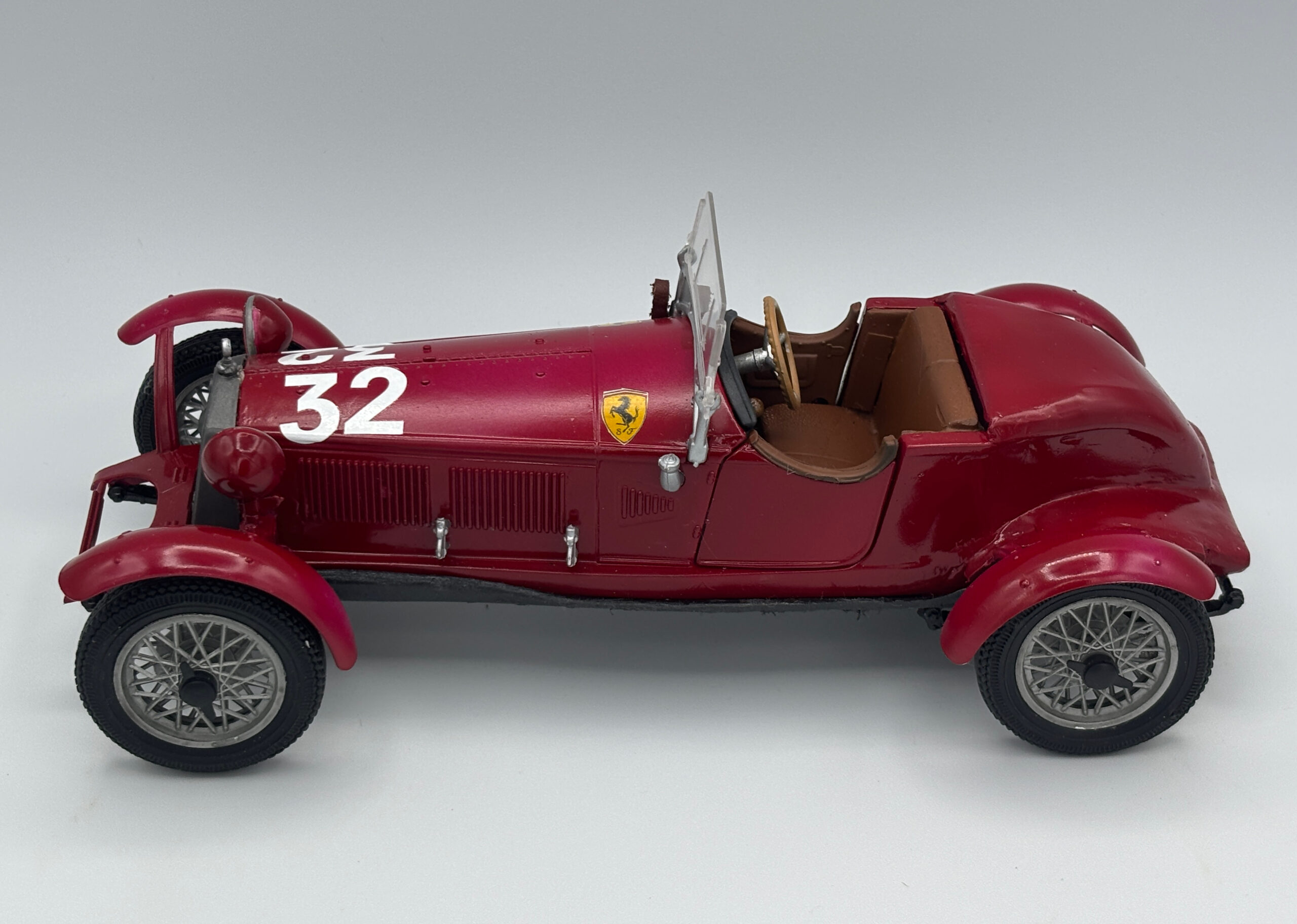
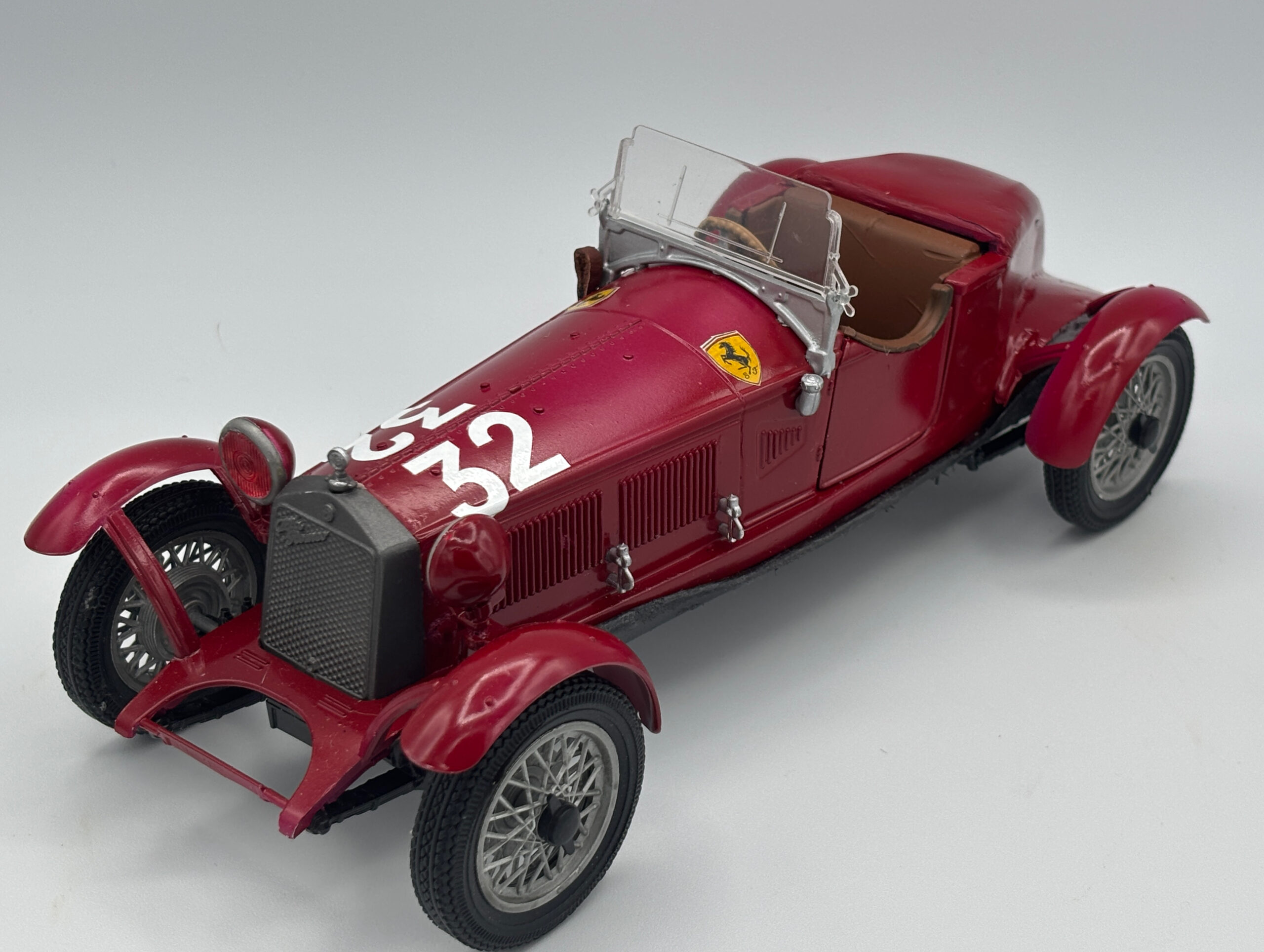
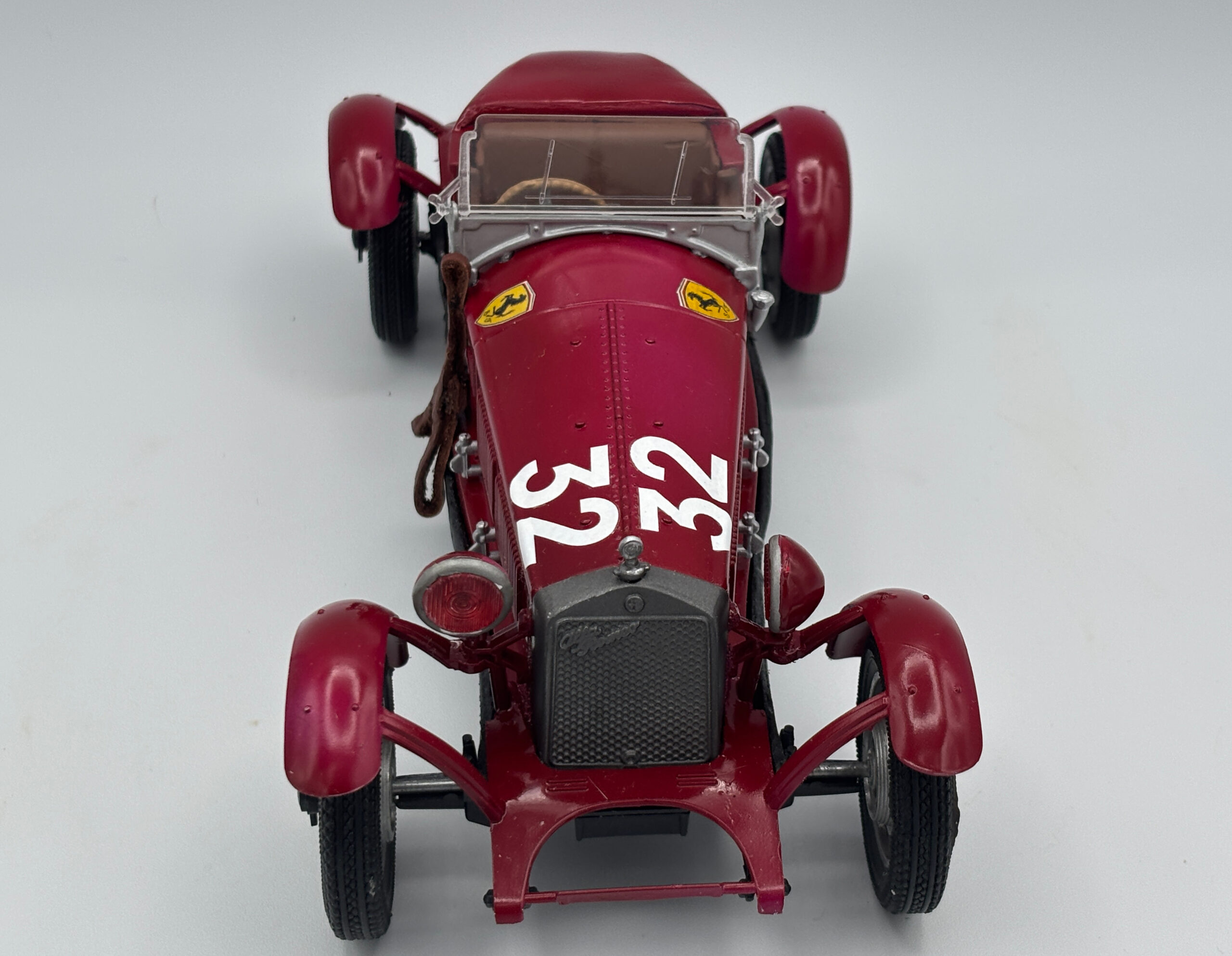
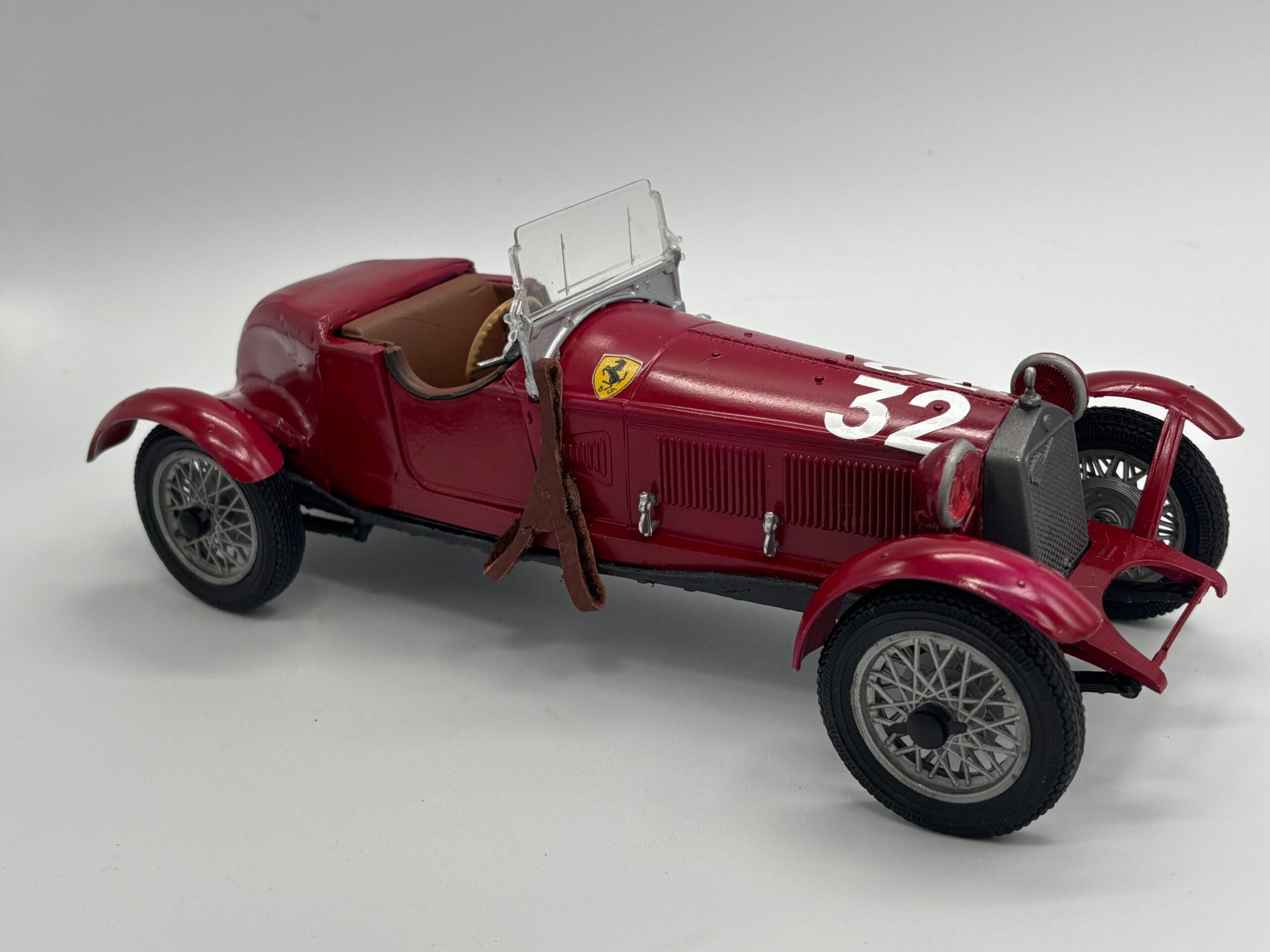
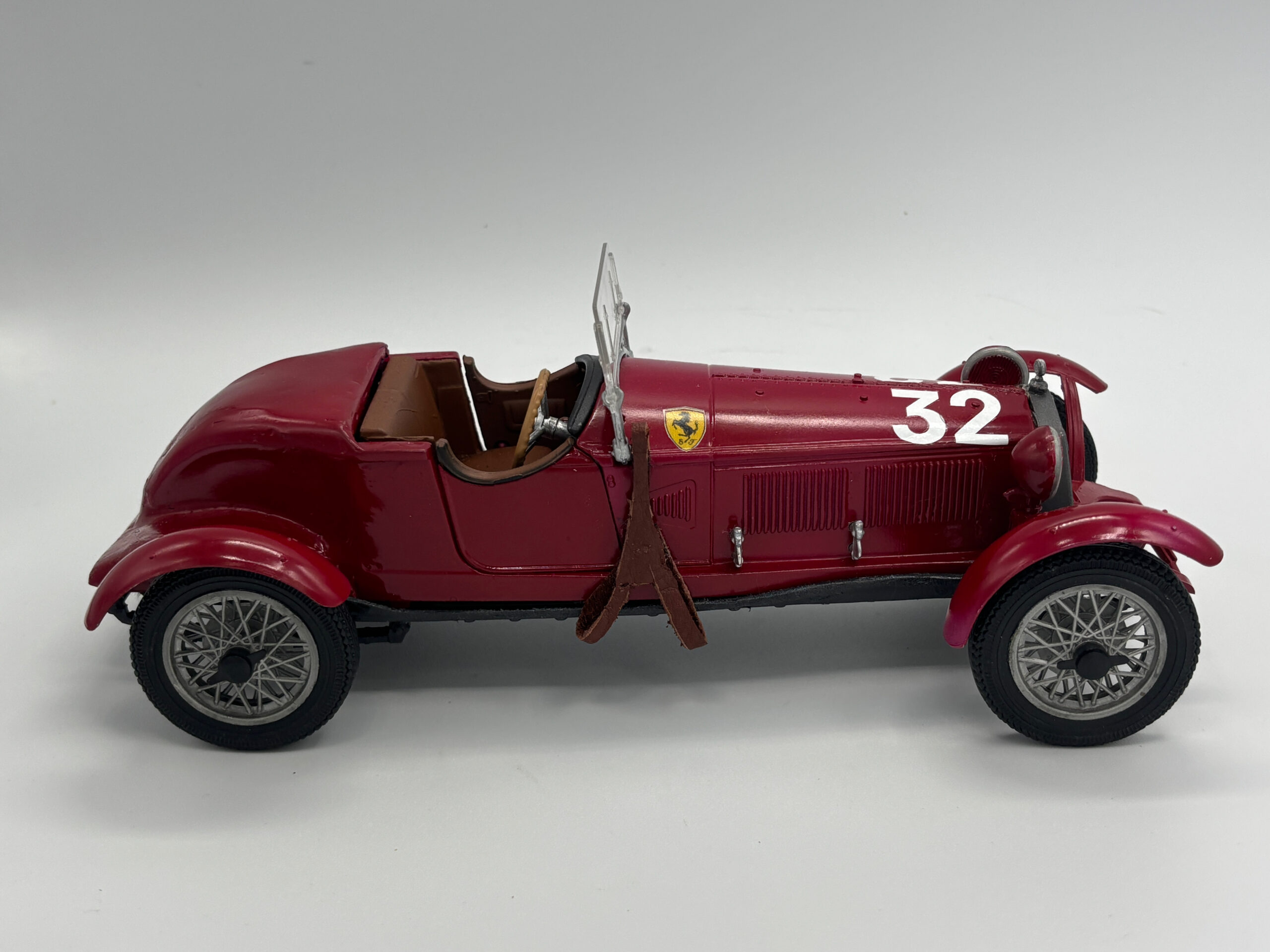
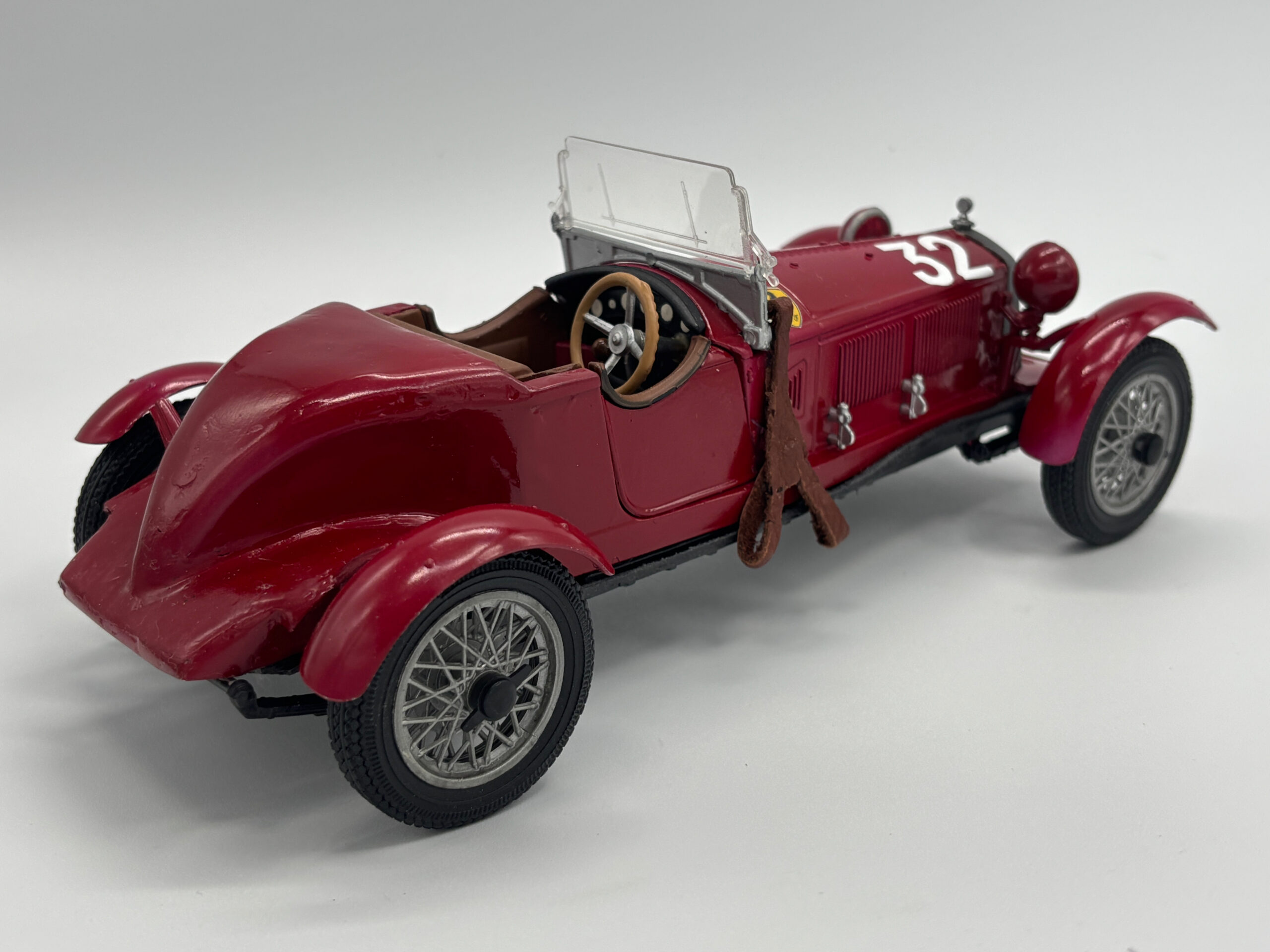
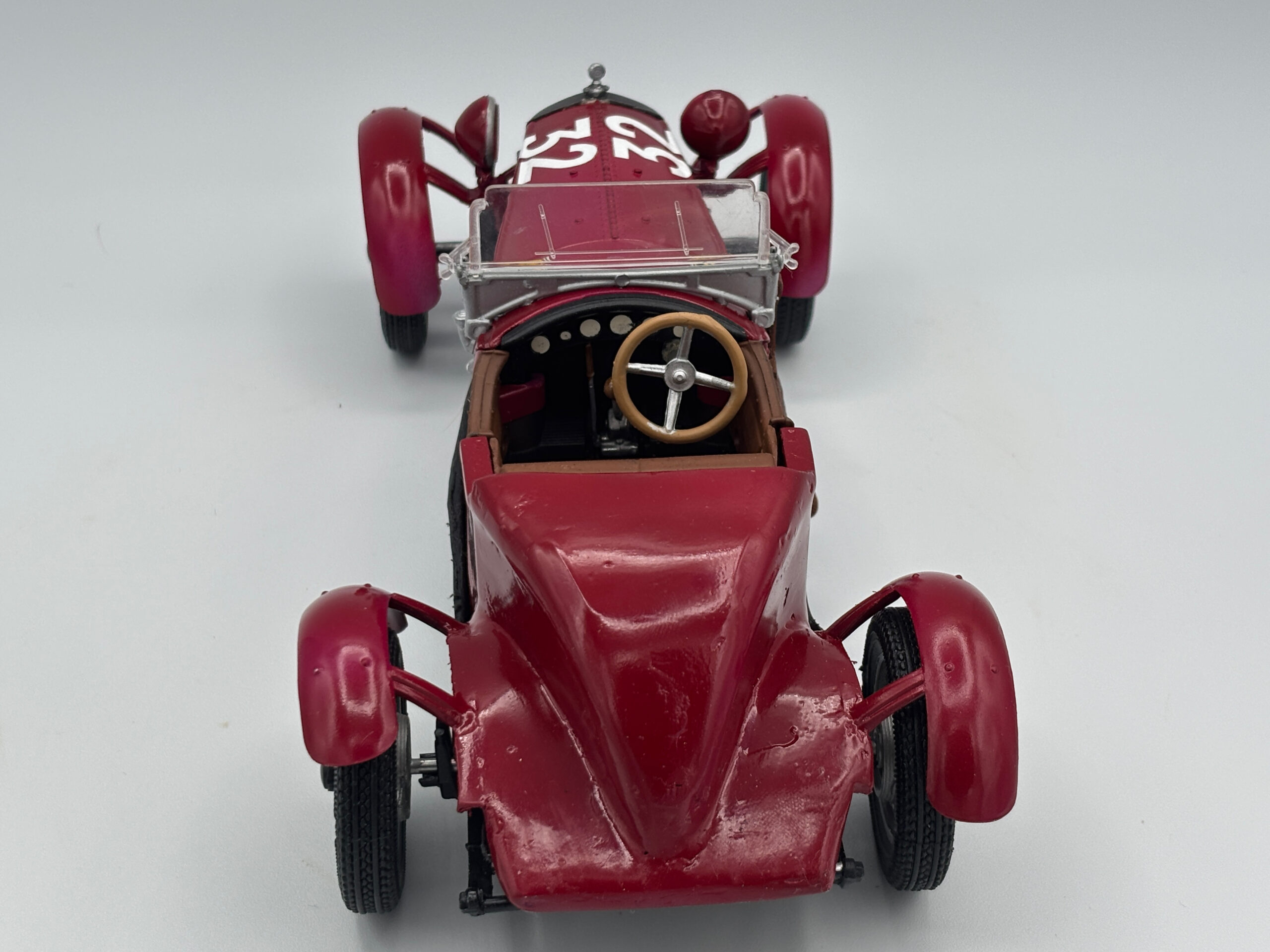
Franco Comotti entered the Parma–Poggio di Berceto hill climb on 21 May 1933 with the number 32 Alfa Romeo 6C 1750 GS but did not record a finish. The revived Italian event sent competitors from Parma toward the Apennines over a long point-to-point road course. With no championship significance, success depended on a single sustained performance against the clock.
Retirement in a hill climb carried a particular finality: there were no later laps or driver changes through which to recover. Comotti’s run ended before he could convert the 1750’s established climbing ability into a result. The outcome also contrasted with the model’s many successes in Italian mountain competition, emphasizing how mechanical condition and precision mattered even with proven equipment.
The 6C 1750 Gran Sport used Vittorio Jano’s 1.75-litre inline-six with twin overhead camshafts and supercharging. Its light construction, useful low-speed acceleration and balanced chassis made it a natural hill-climb car. Strong brakes were equally important on a route where fast approaches, sharp bends and elevation changes repeatedly interrupted acceleration.
Franco Comotti was an Italian driver from Brescia who competed in sports cars and Grand Prix machinery and became a valued member of Scuderia Ferrari. He later raced internationally and appeared in the post-war Formula One World Championship. At Parma–Poggio di Berceto, however, his experience and the Alfa’s suitability could not prevent an early end to the attempt.
| Brand | 1:16 Polistil |
| FPR # | M |