STORY OF THE DAY: Fourth at the End of a 5,687-Kilometre Tour
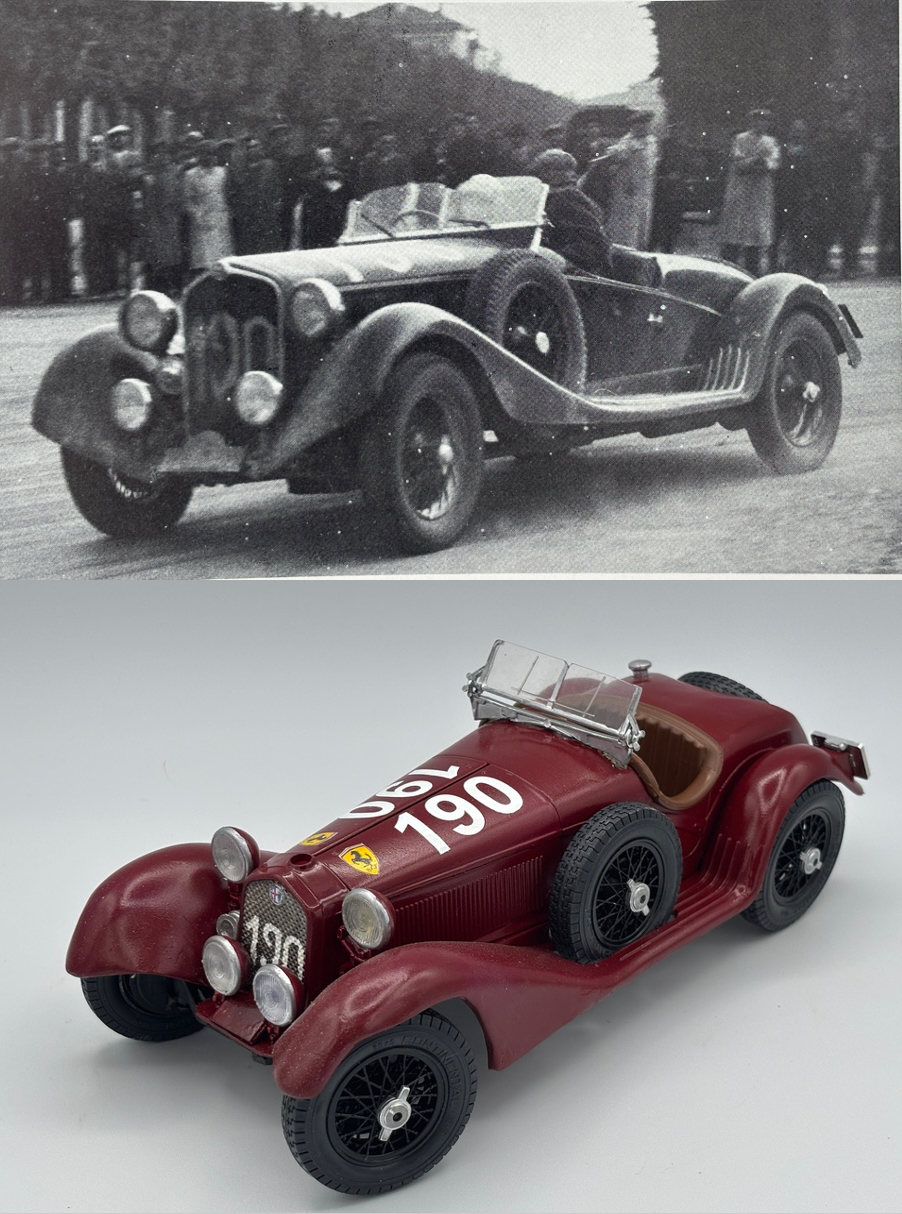
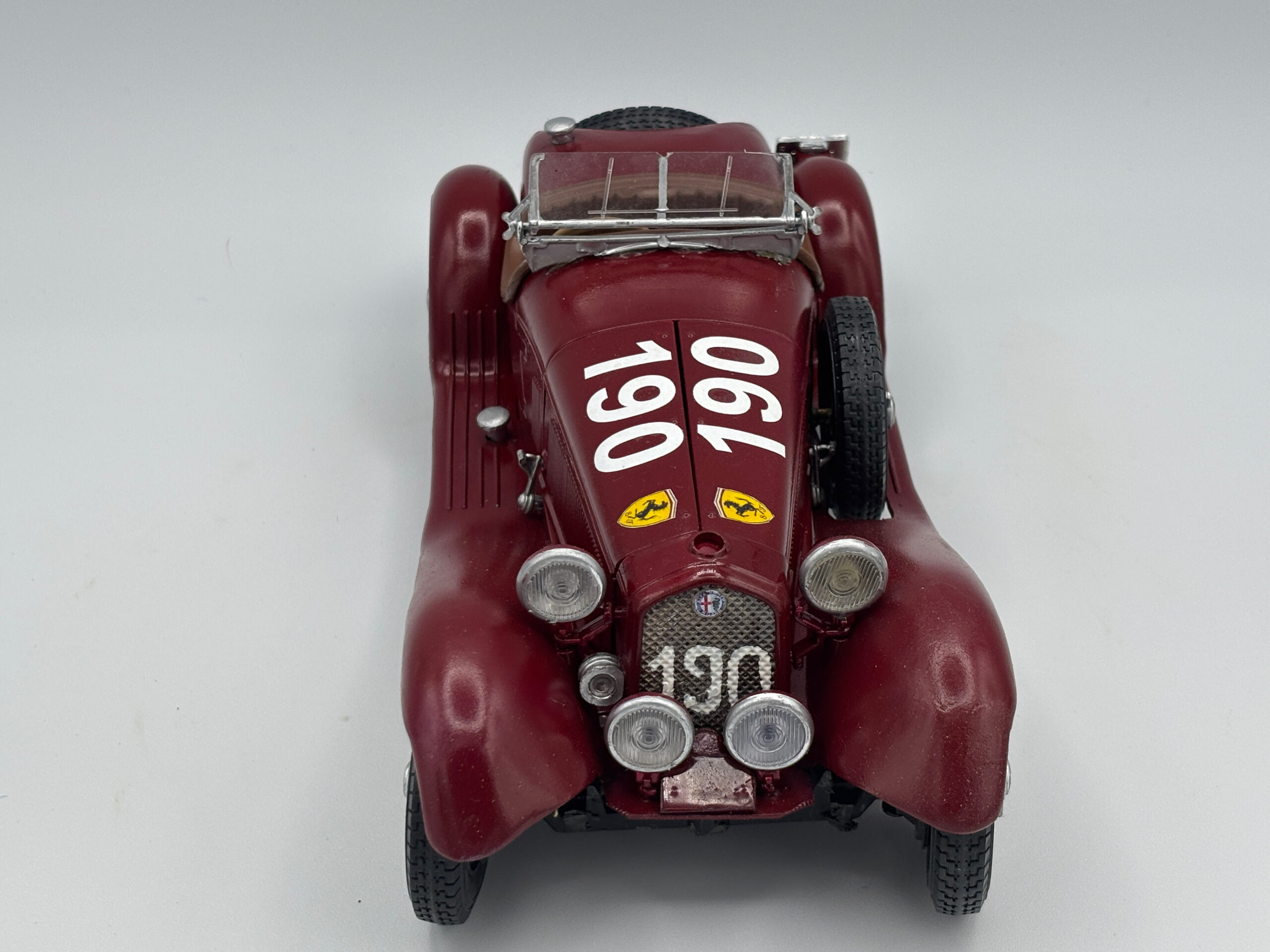
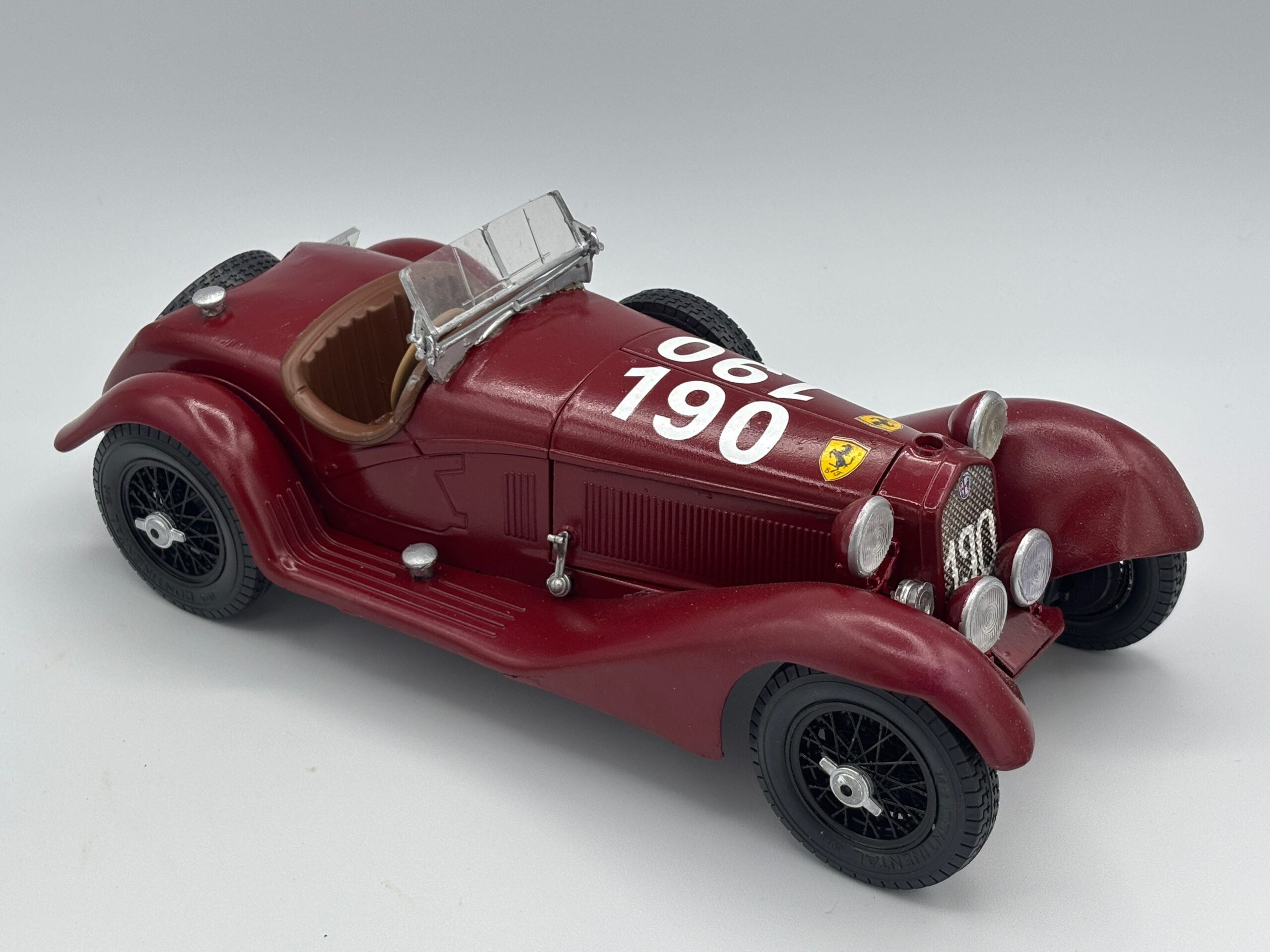
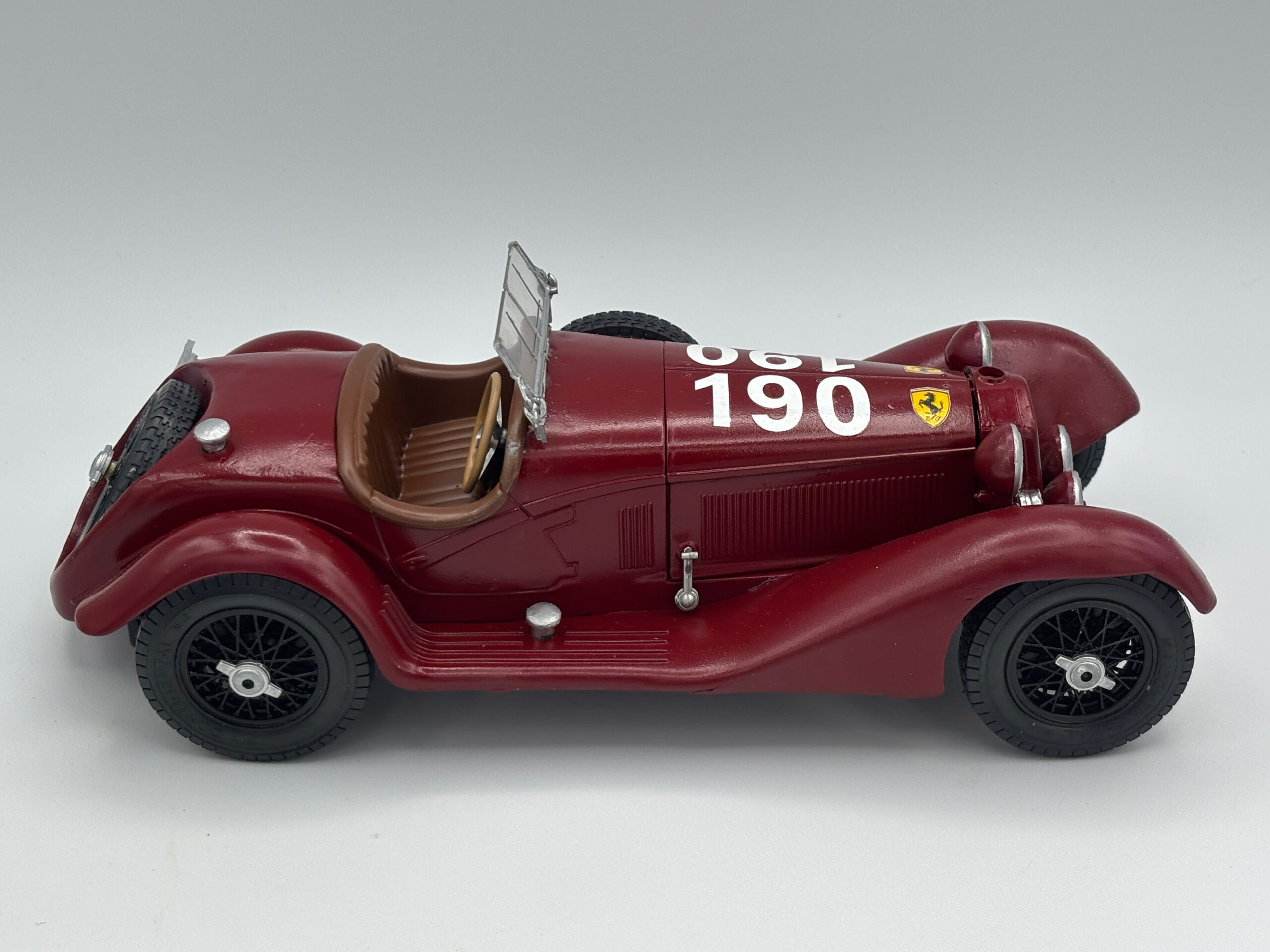
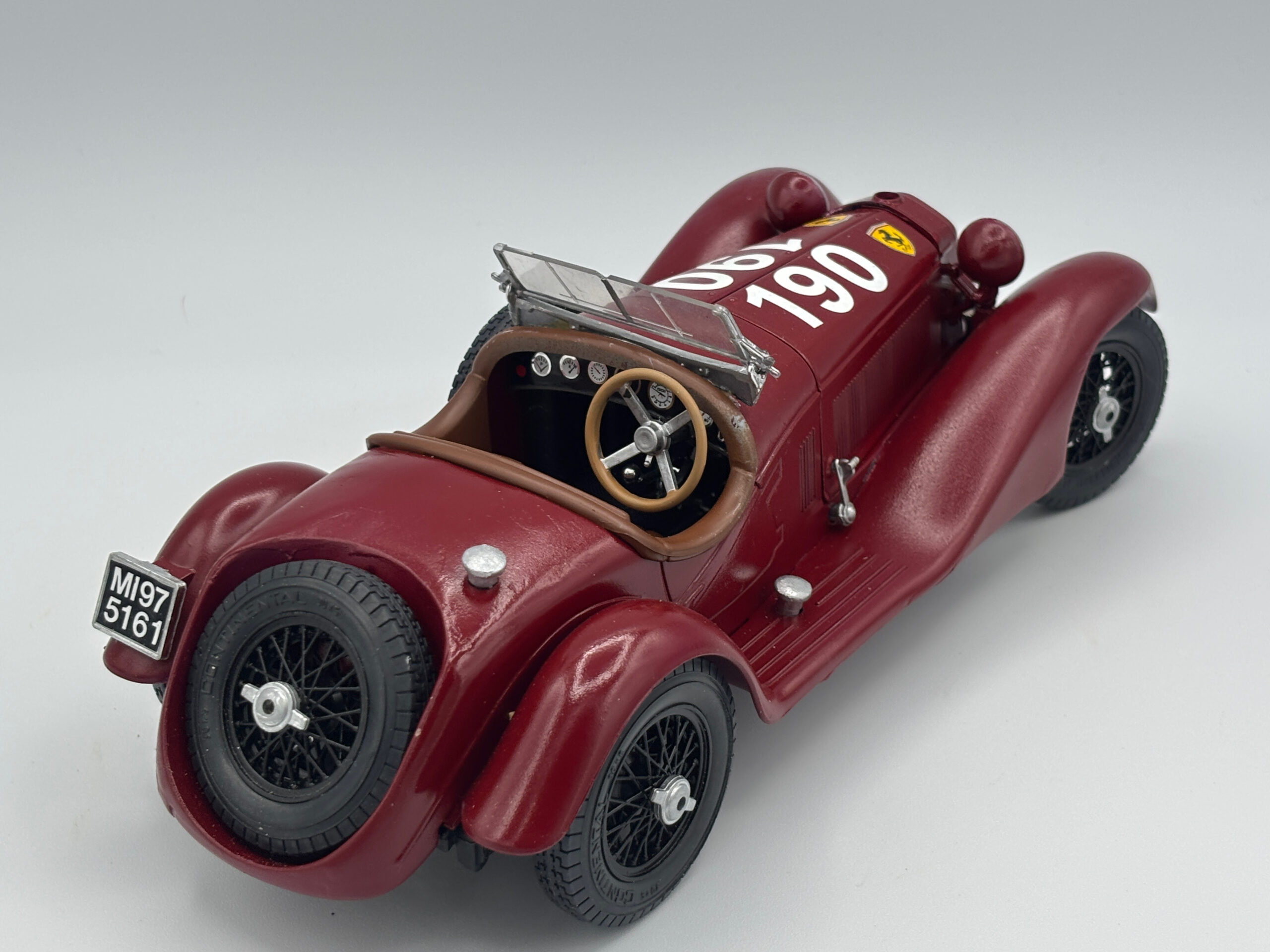
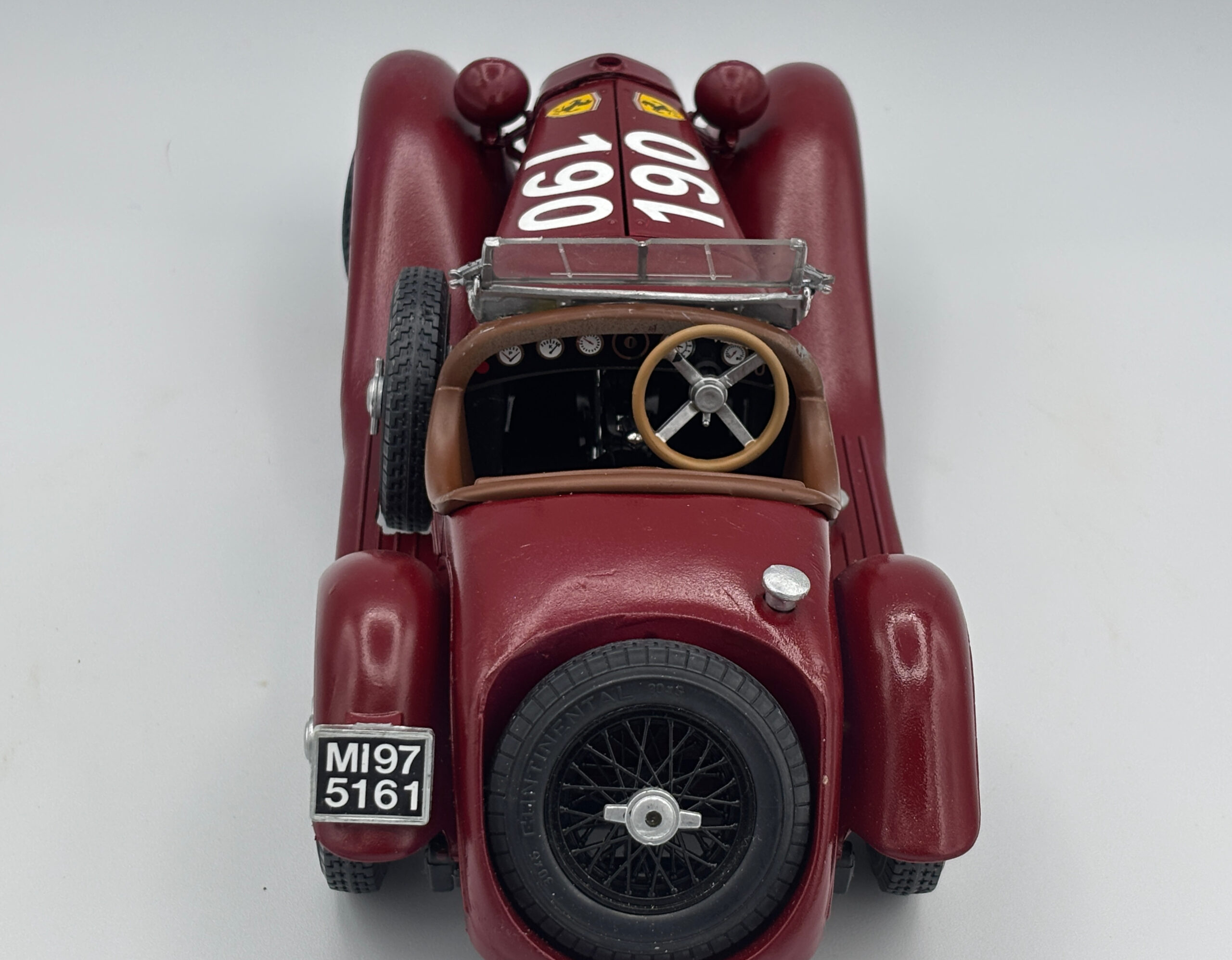
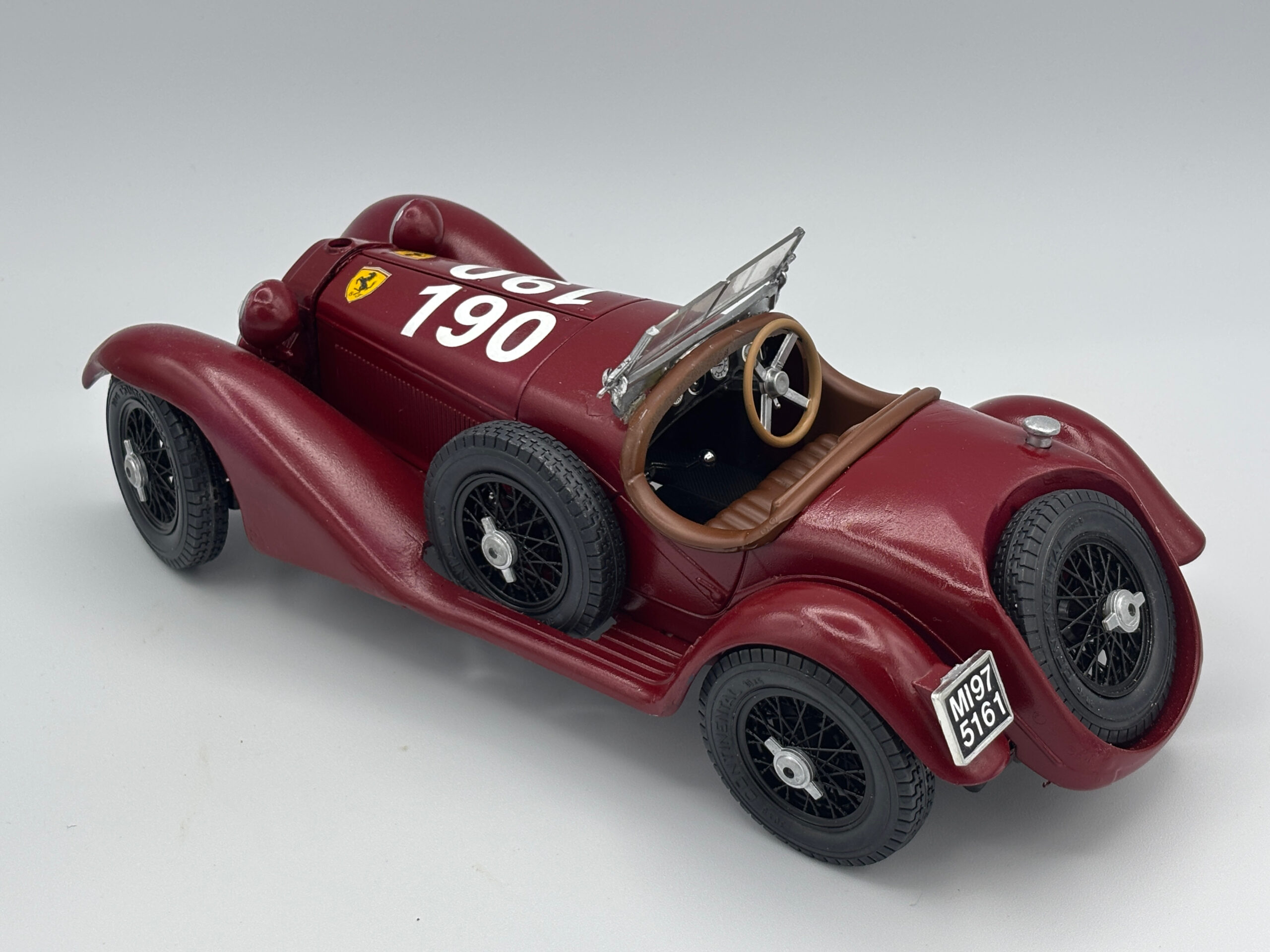
Carlo Severi and Alessandro Barbieri finished fourth in the Giro Automobilistico d’Italia, which concluded on 2 June 1934 after beginning on 26 May. Their number 190 Alfa Romeo 6C 2300 completed approximately 5,687 kilometres divided into three stages around mainland Italy and Sicily. Carlo Pintacuda and Mario Nardilli won in a Lancia Astura, while another 6C 2300 crew finished second.
The exceptional length of the Giro defined the result. Severi and Barbieri had to preserve their new Alfa across a week of competitive driving, changes of terrain and repeated starts rather than a single continuous sprint. Fourth place, in 67 hours 31 minutes 56 seconds, provided valuable proof of the 6C 2300’s durability during one of its earliest major competition appearances.
Introduced in 1934, the 6C 2300 carried Vittorio Jano’s six-cylinder concept into a larger 2,309 cc form. The inline-six used twin overhead camshafts, while the early 2300 retained a conventional separate chassis and rigid-axle layout. Its comparatively flexible engine and road-going construction suited a multi-stage event that demanded sustained speed, carrying capacity and reliability over widely differing routes.
Carlo Severi was an Italian racing driver who became closely associated with the competitive development of Alfa Romeo’s 6C 2300 and later shared important endurance victories in the model. Alessandro, or Nando, Barbieri was an Italian road racer from a family active in the sport and competed frequently in Alfa Romeo machinery. Their fourth place supplied practical confirmation that the new model could withstand an unusually long national tour.
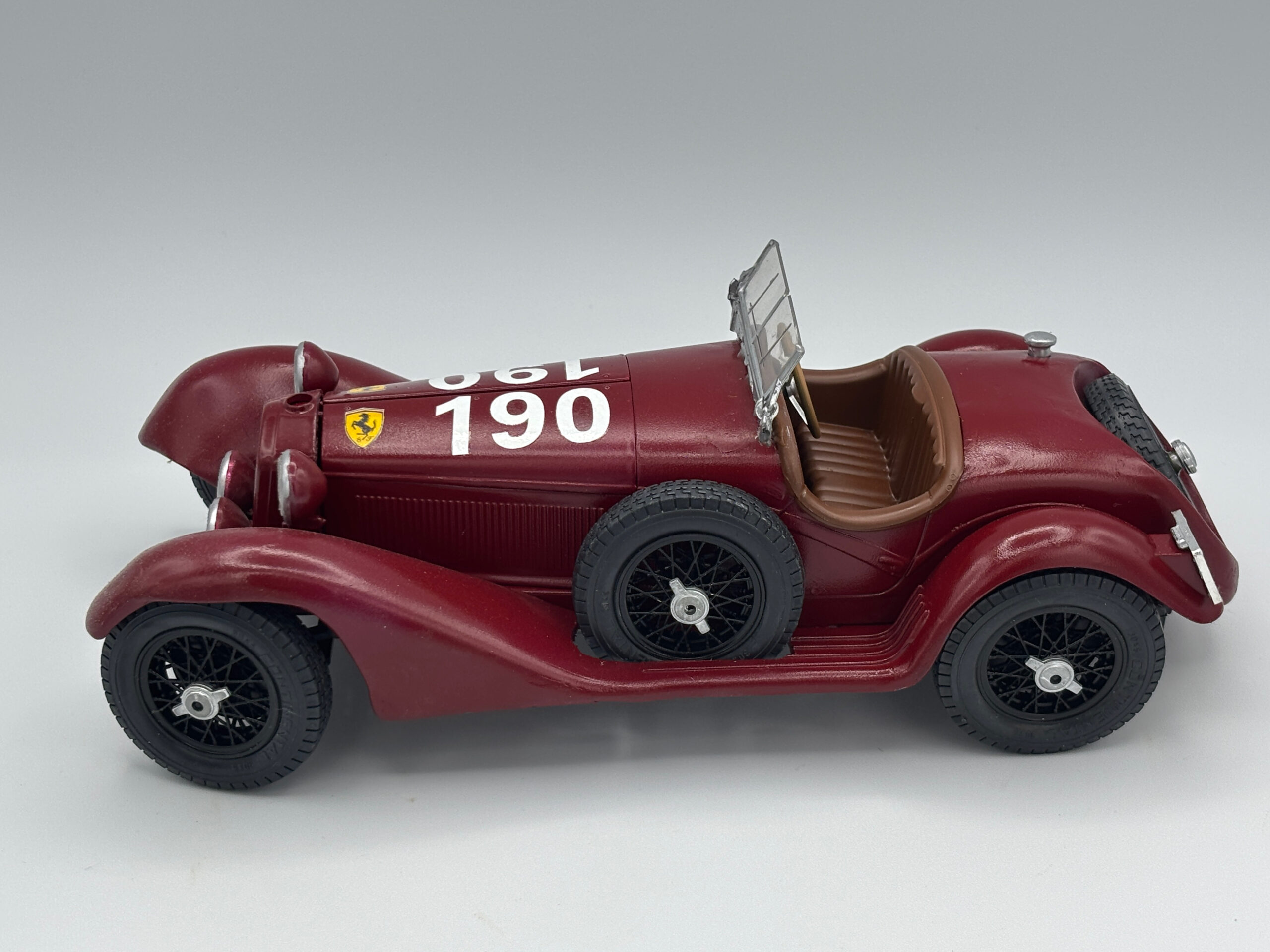
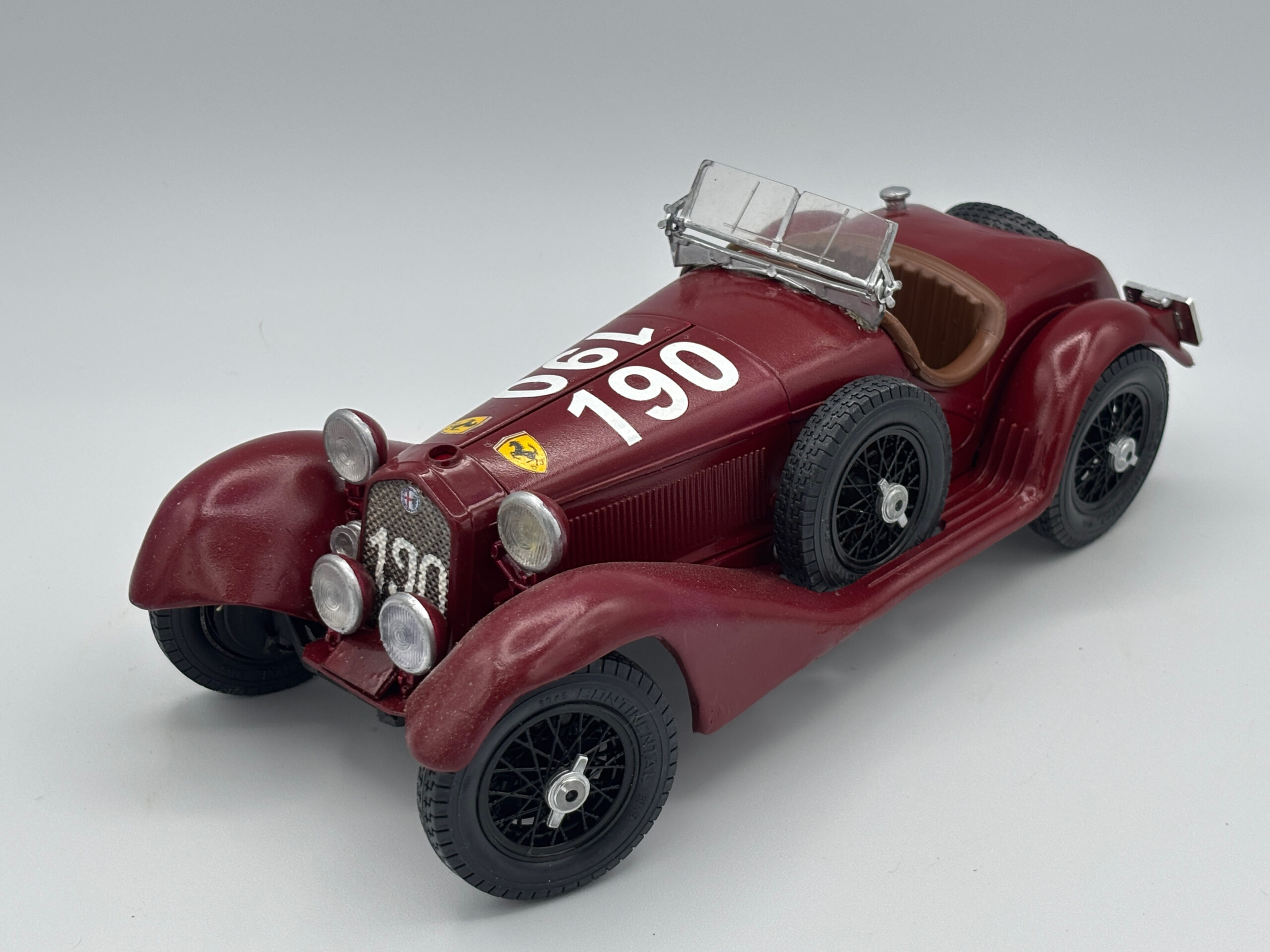
| Brand | Burago |
| FPR # | M |