
STORY OF THE DAY: Ferrari’s Streamlined D50 at Reims
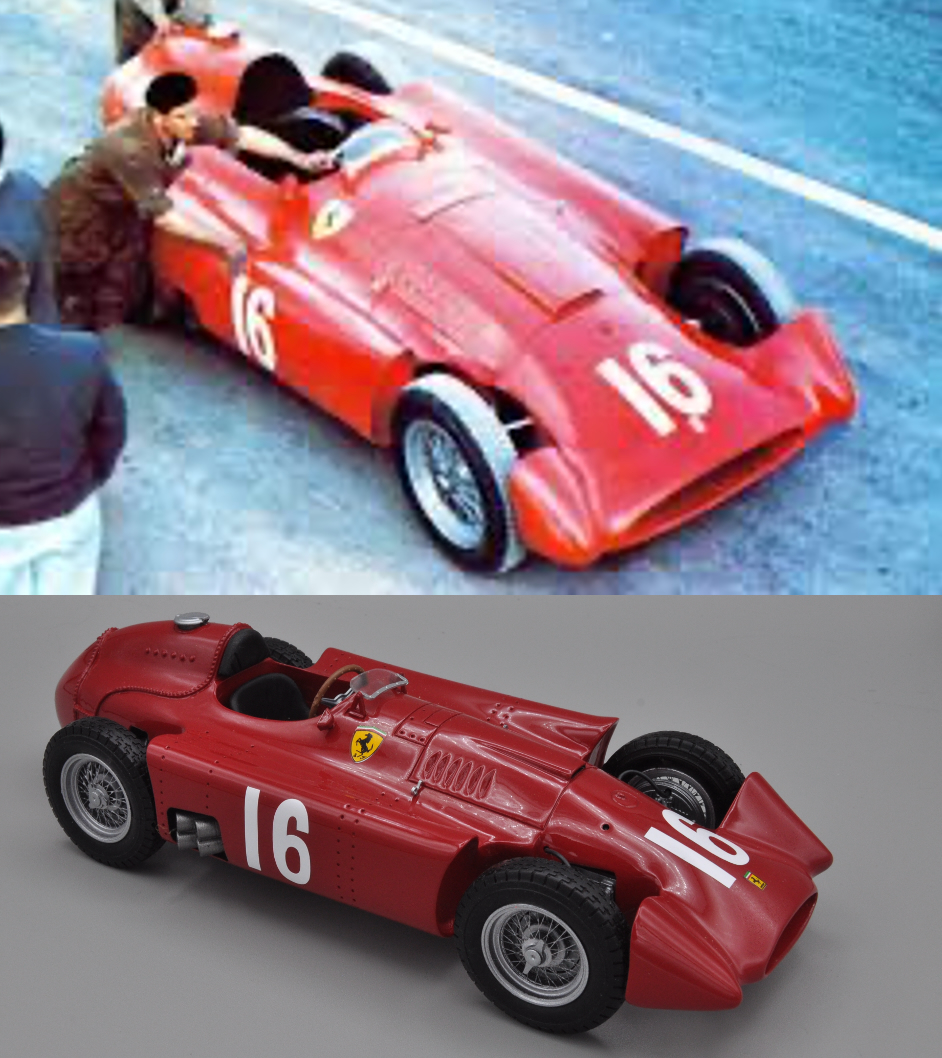
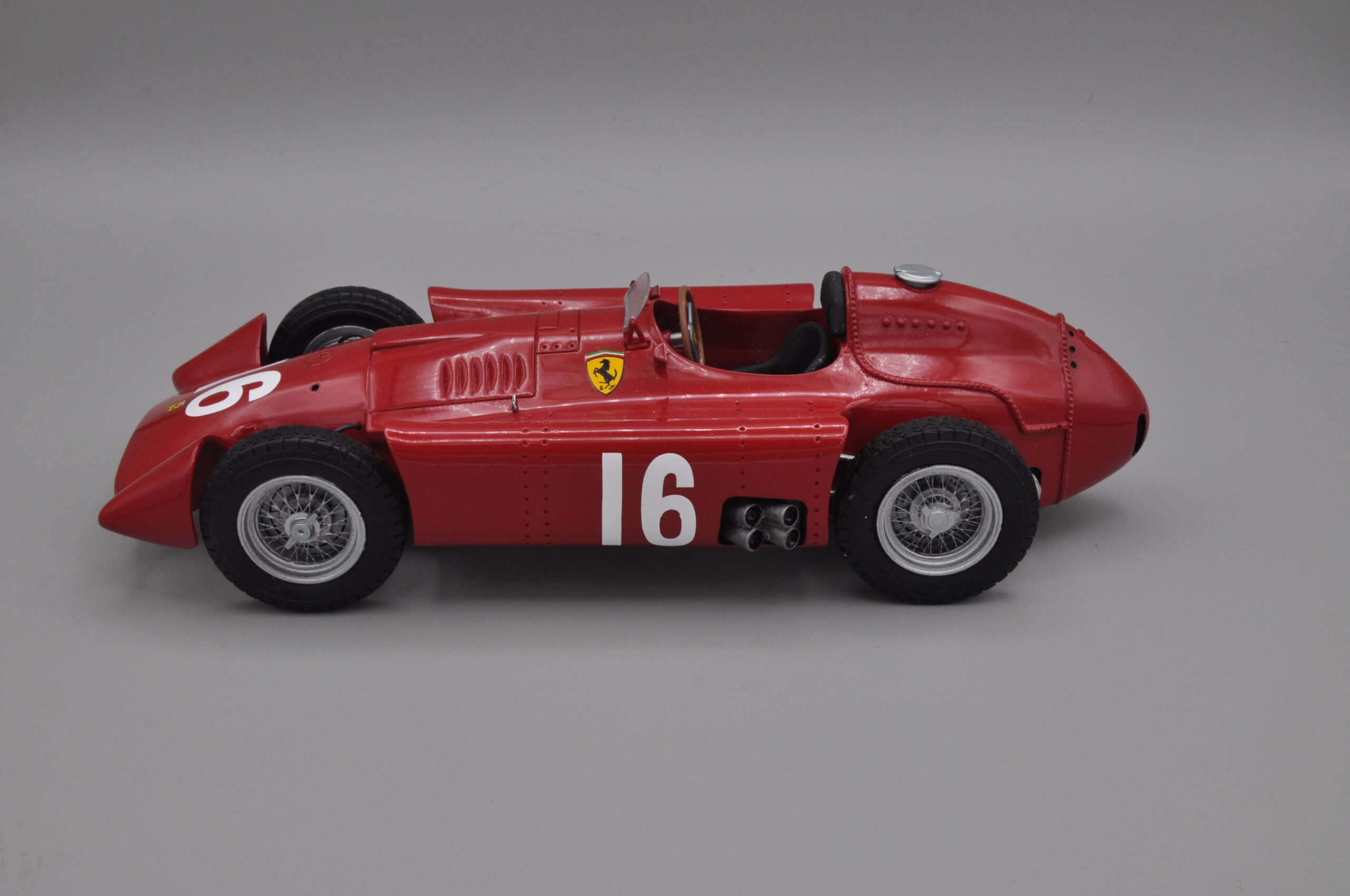
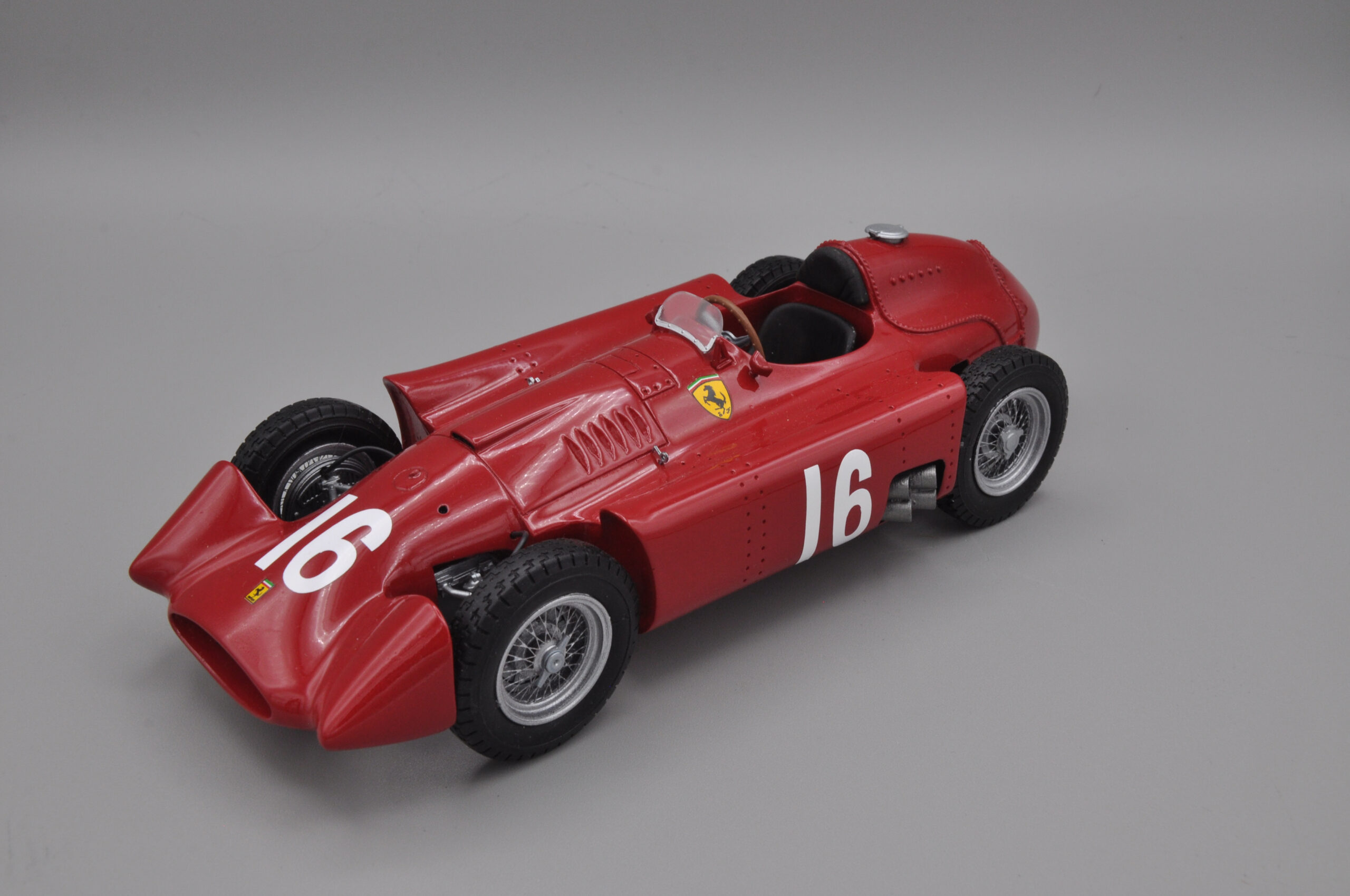
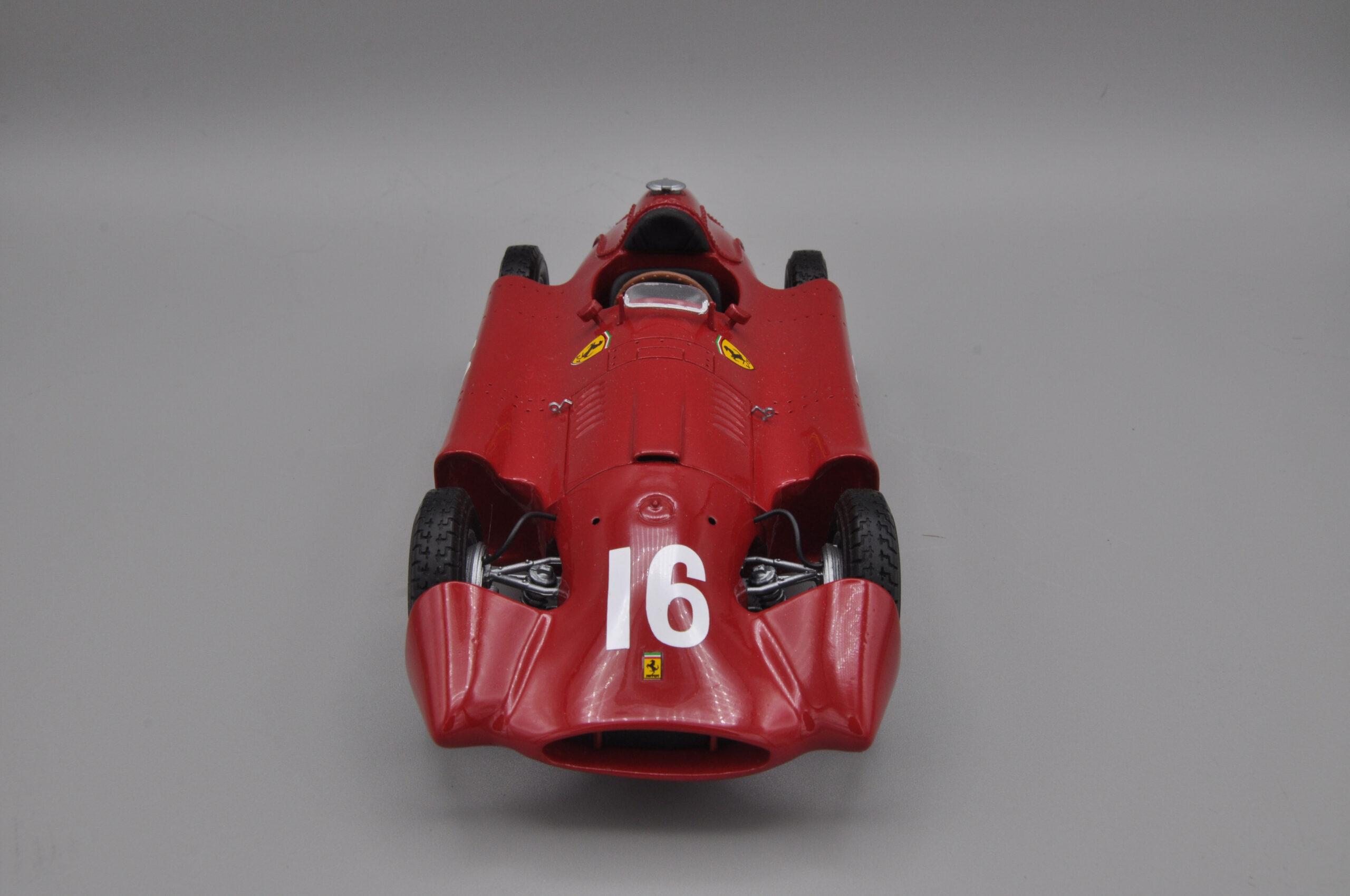
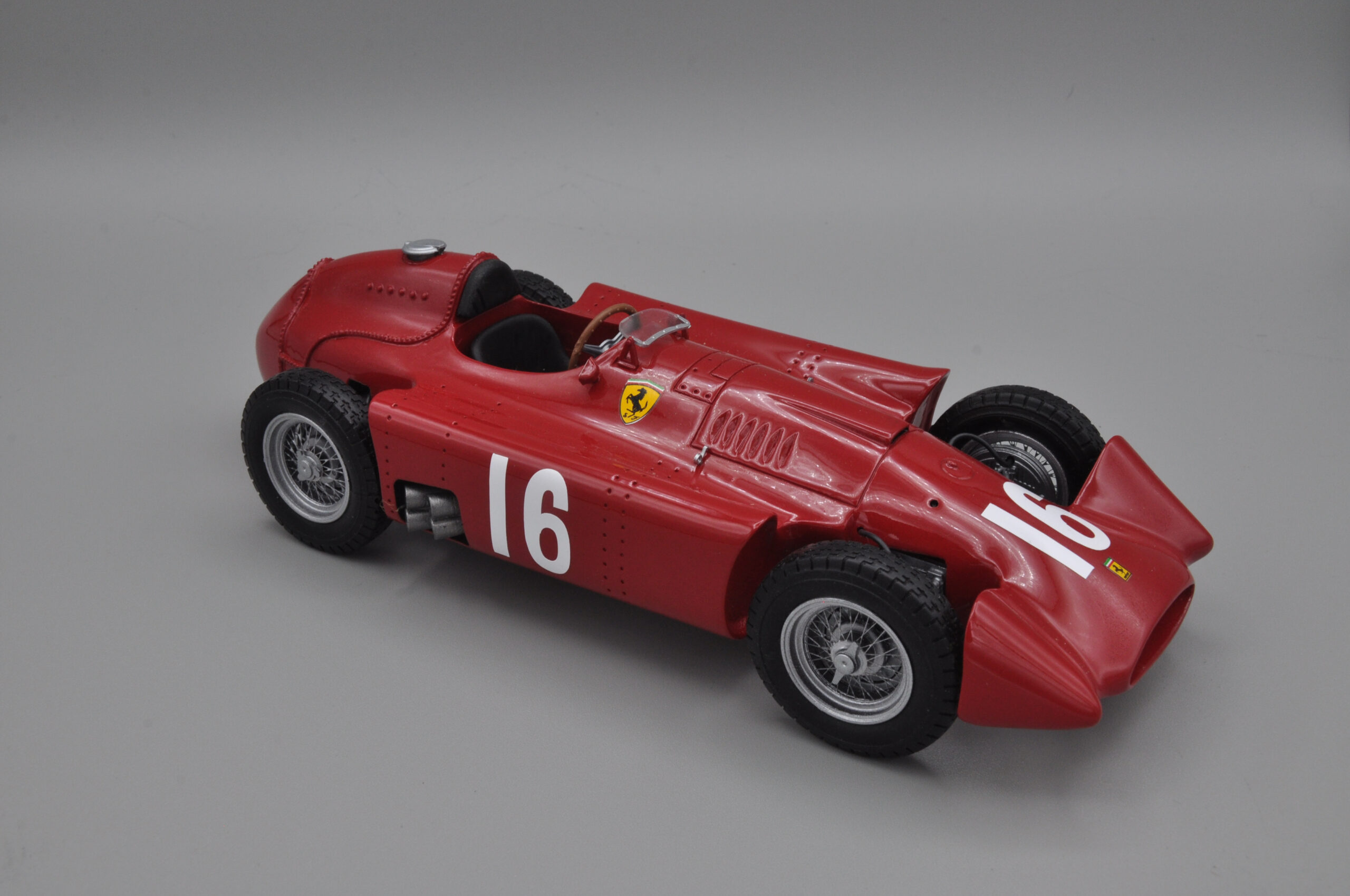
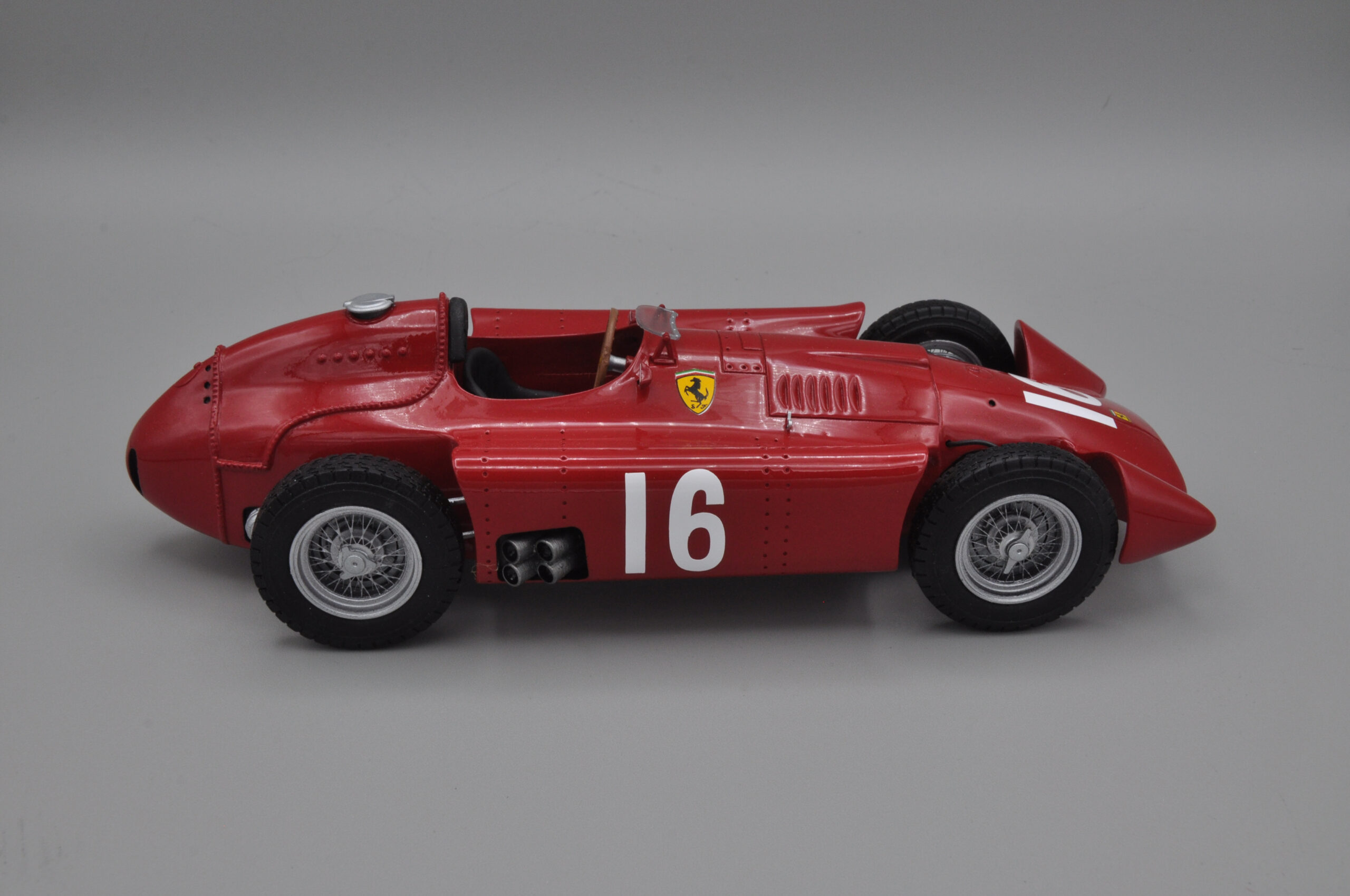
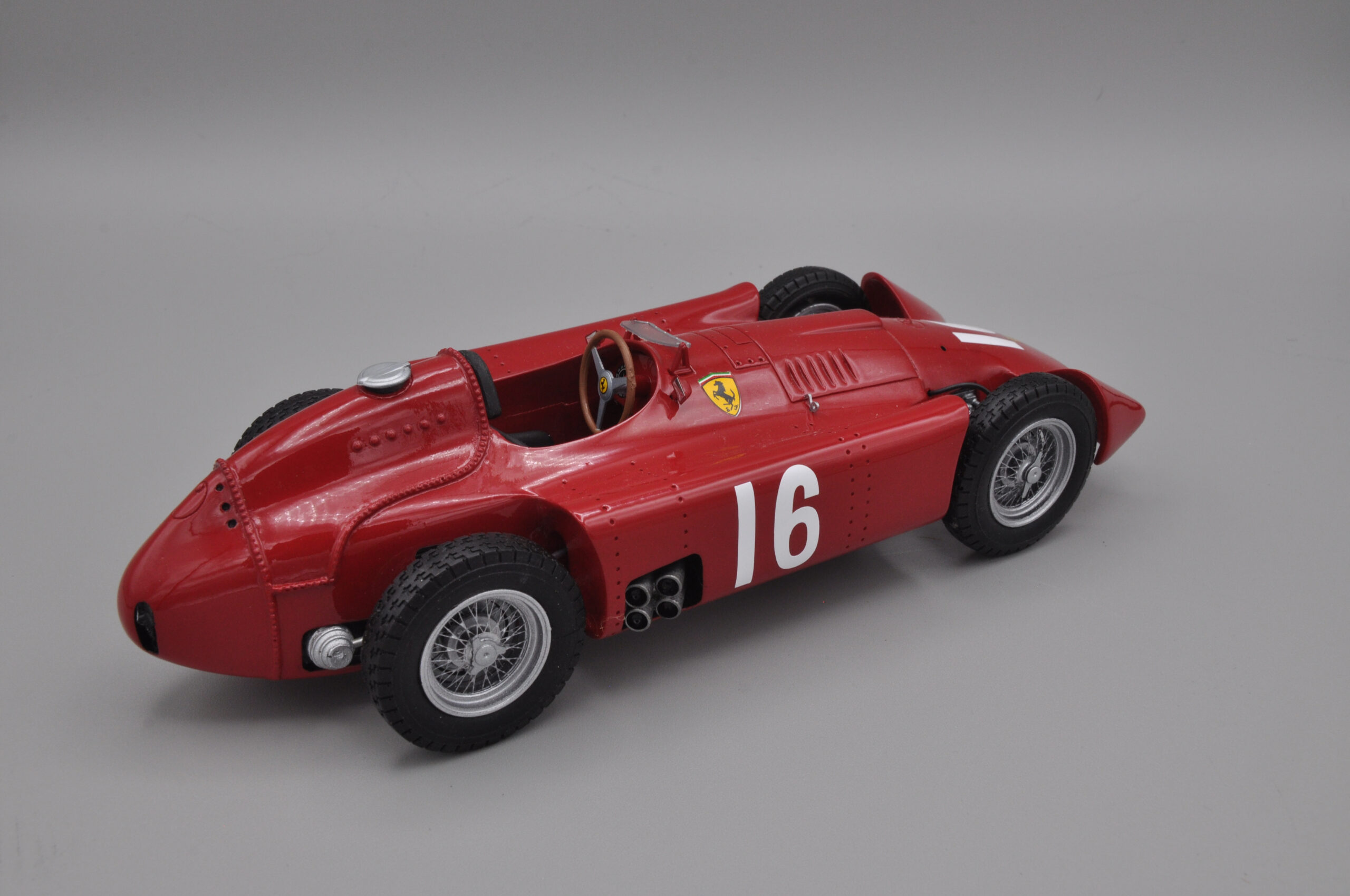
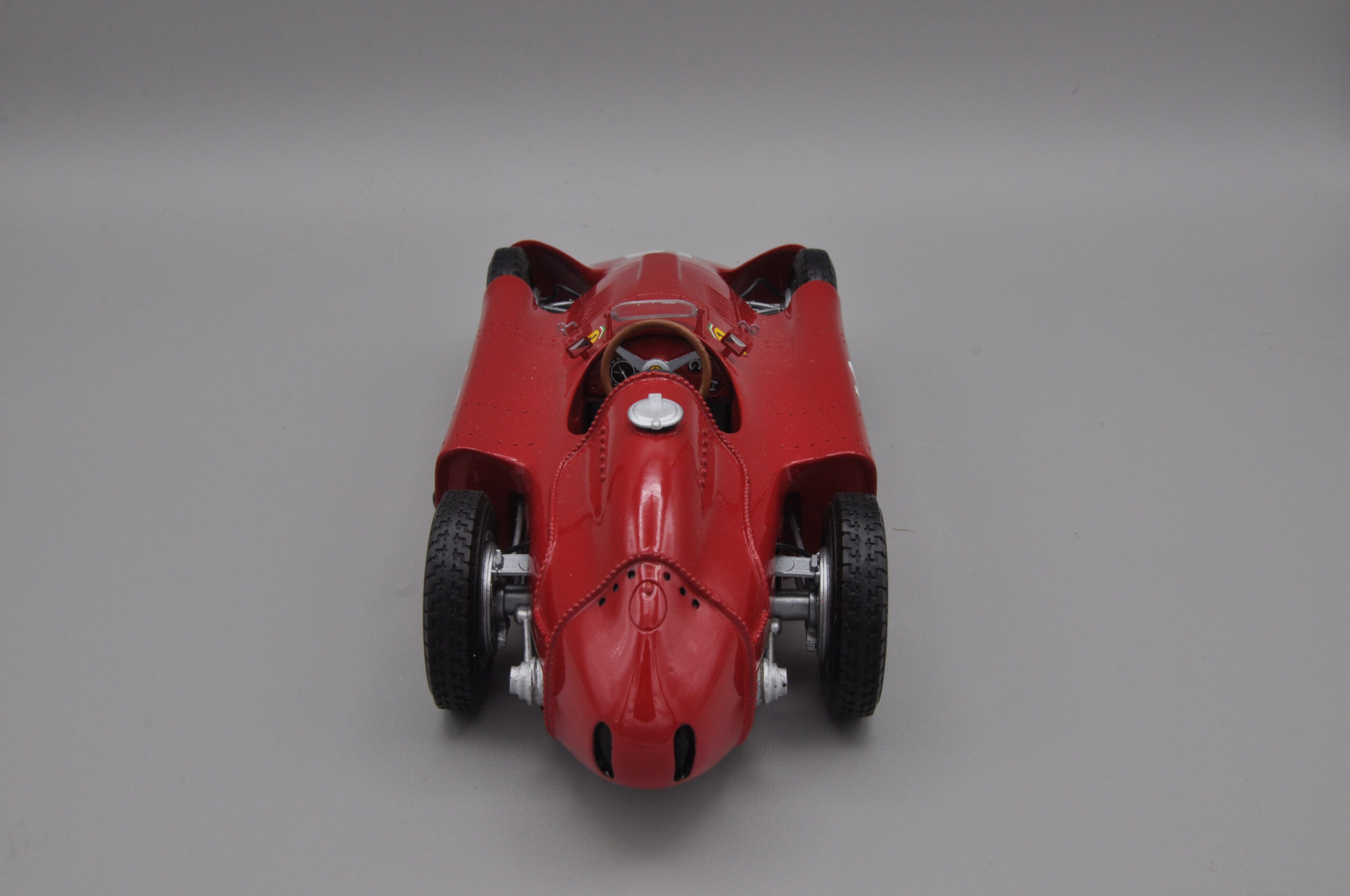
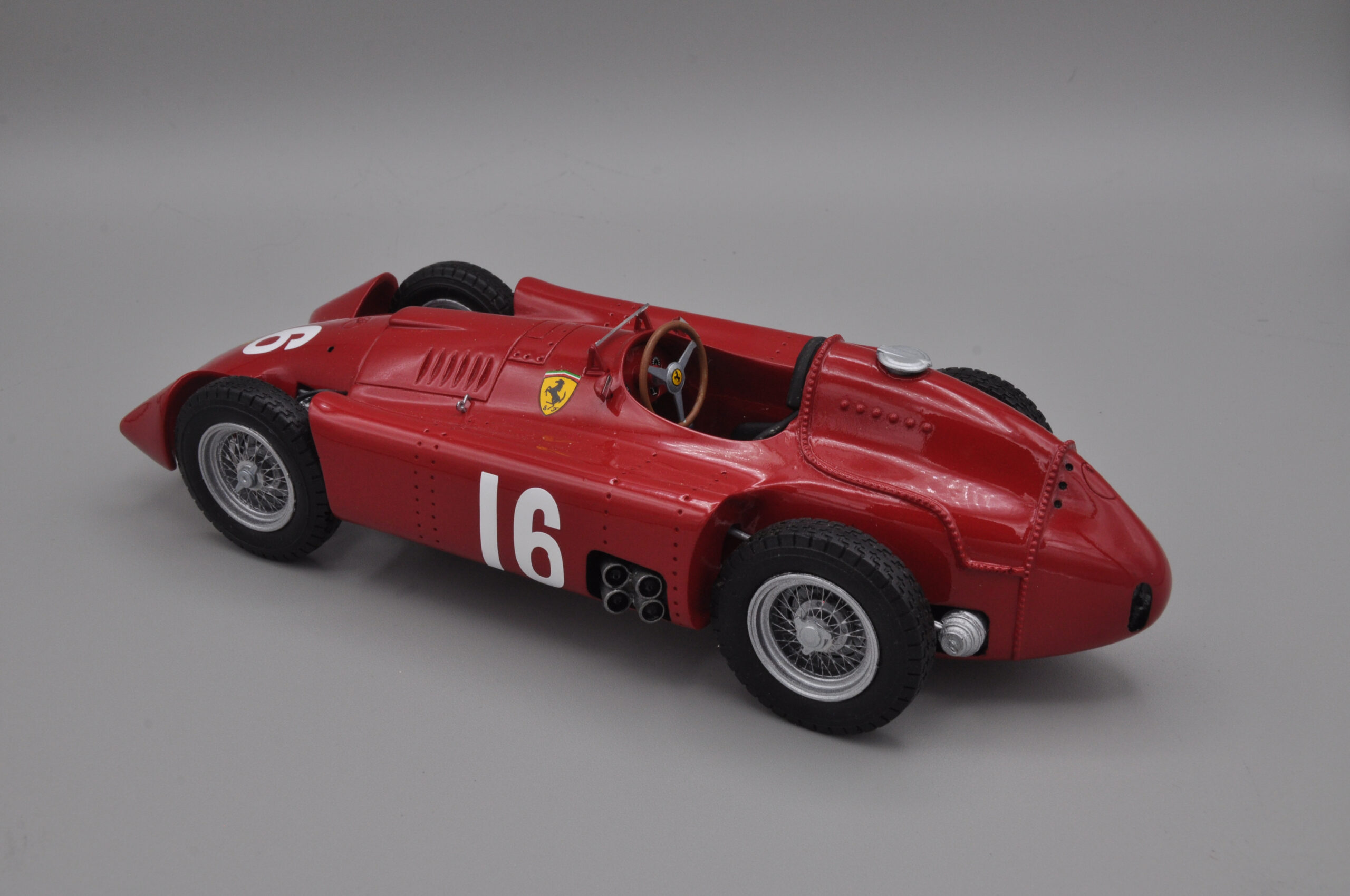
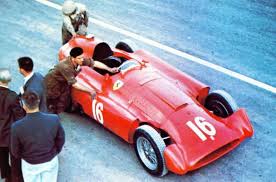
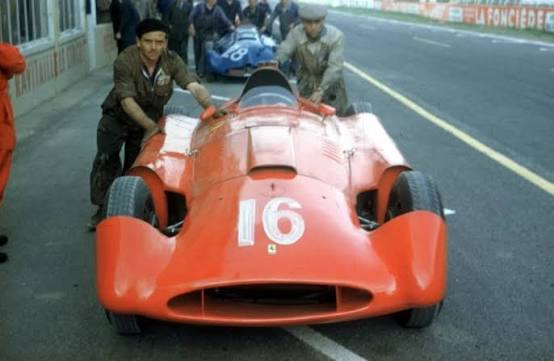
This model represents the streamlined Lancia-Ferrari D50, in this case the T2 version carrying number 16, the number that would ultimately be used by Alfonso de Portago. The streamlined bodywork reflected an aerodynamic idea already explored successfully by Mercedes-Benz during the 1954 and 1955 Formula One seasons, when Juan Manuel Fangio won both World Championships. Ferrari, always looking for ways to match the speed of its rivals on the faster circuits, decided to experiment with a similar concept before the 1956 French Grand Prix at Reims.
In the days leading up to the race, Ferrari tested several streamlined D50 chassis with Alfonso de Portago and Eugenio Castellotti. The aim was clear: improve speed and efficiency on the long, fast Reims straights. Although the cars looked striking and remain among the most fascinating experimental Ferraris of the period, the tests did not fully satisfy the Scuderia. Ferrari had entered four cars for the French Grand Prix — for Fangio, Peter Collins, Castellotti, and de Portago — and the original intention was for Castellotti and de Portago to race the new streamlined versions.
In the end, Ferrari made the wise decision not to use the streamlined cars in the race itself. All four drivers started in standard D50s, and the result confirmed the choice. Peter Collins won the Grand Prix, Eugenio Castellotti finished second, Fangio came home fourth, and Alfonso de Portago retired in number 16. It was a strong result for Ferrari and an example of the team choosing reliability and balance over an unproven technical experiment.
This streamlined D50 therefore represents one of those fascinating “what if” moments in Ferrari history: a bold and elegant solution that was tested seriously, prepared for competition, but ultimately never raced in the Grand Prix for which it was intended. That makes it not only visually distinctive, but also an especially intriguing chapter in the development of Ferrari’s 1956 Formula One campaign.
| Brand | AR Maquettes |
| FPR # | — |